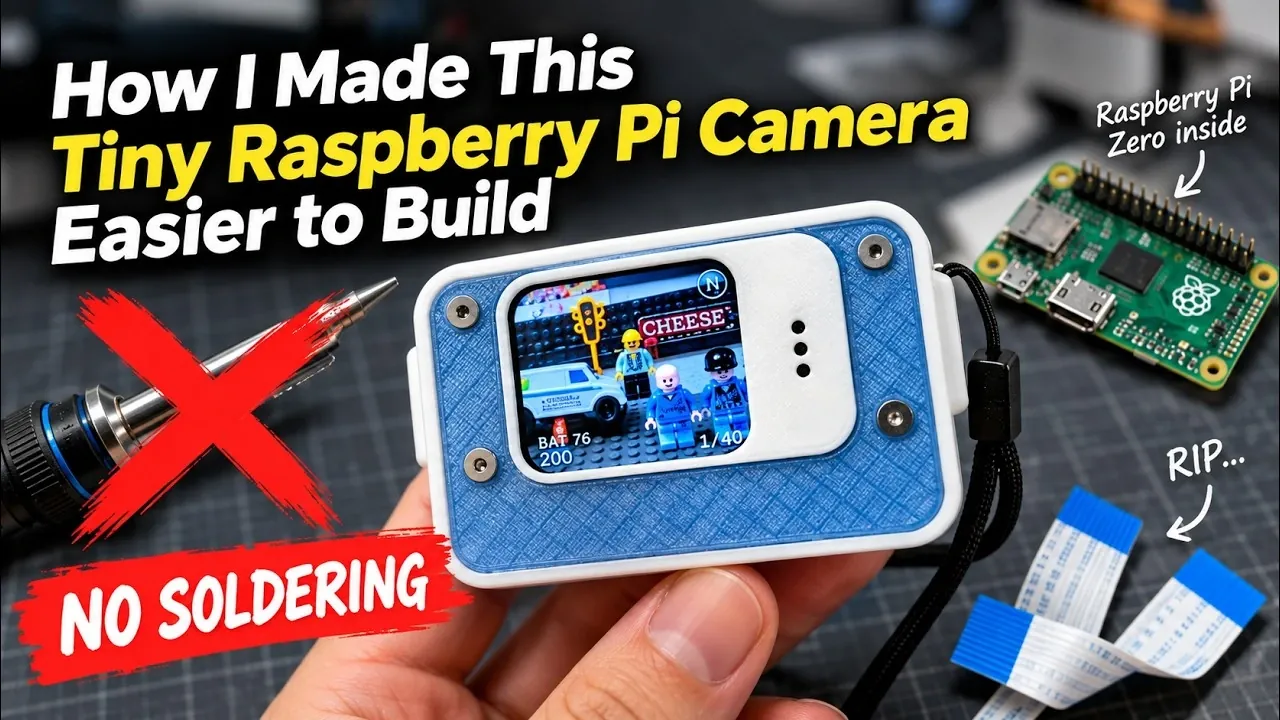
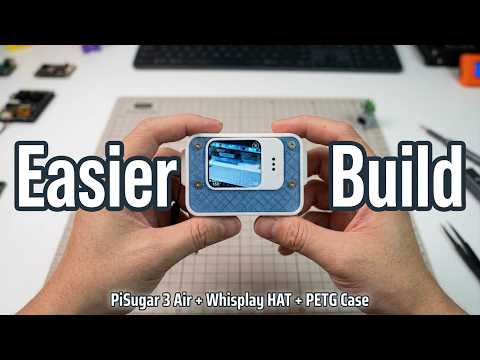
Building a compact Raspberry Pi-powered camera has become more accessible than ever, thanks to a simplified design inspired by the open source Optoim initiative. Jdaie Lin explores how this project combines essential components like the Raspberry Pi Zero 2W, a camera module and the PiSugar 3 Air power solution into a sleek, modular device. The inclusion of the Wisplay Hat, which integrates a display and physical controls, further streamlines the assembly process by reducing the need for complex wiring. With its thoughtful use of 3D-printed parts and standardized components, this DIY camera balances functionality and ease of use, making it an appealing project for both beginners and experienced hobbyists.
Dive into this breakdown to understand how the modular design simplifies assembly while offering room for customization. You’ll gain insight into how features like AI-powered image generation and audio-enhanced photos expand the camera’s creative potential. Additionally, discover how the use of ribbon cables and a redesigned case eliminates the need for soldering, making sure a smoother build process. Whether you’re looking to experiment with Raspberry Pi projects or enhance your photography setup, this guide offers practical takeaways for achieving both.
TL;DR Key Takeaways :
- The DIY digital camera, powered by Raspberry Pi Zero 2W, combines modular components like a camera module, display and battery, offering a compact and feature-rich design inspired by the Optoim project.
- Key components include the Wisplay Hat for display and controls, PiSugar 3 Air for portable power management and a Raspberry Pi Camera Module for high-quality image capture.
- The simplified assembly process uses standardized parts, ribbon cables and 3D-printed components, making it accessible for beginners while allowing customization for advanced users.
- Features include physical controls, AI-powered image generation, audio-enhanced photos, built-in filters and app flexibility, catering to both creative and practical applications.
- The modular design supports future enhancements, such as AI-enabled image recognition, advanced software tools and adaptability for other DIY Raspberry Pi projects.
What Inspired the Design?
The camera’s design draws inspiration from the Optoim project, which emphasizes compactness, modularity and ease of use. By using the Raspberry Pi Zero 2W, the project achieves a balance between performance and portability, making it suitable for a wide range of users. Key components of the design include:
- Wisplay Hat: A component that integrates a display and physical controls, offering a seamless and intuitive user experience.
- PiSugar 3 Air: A power management solution that ensures portability by eliminating the need for external power sources.
- Raspberry Pi Camera Module: A compact yet high-quality image capture device that forms the core of the camera.
This modular approach eliminates the need for complex modifications or custom hardware, making the project accessible to individuals with varying levels of technical expertise. By prioritizing simplicity and functionality, the design encourages more people to explore the possibilities of DIY technology.
Why is Assembly Simpler?
One of the standout aspects of this project is its straightforward assembly process, which has been carefully designed to minimize technical barriers. By using standardized components and thoughtful design choices, the camera can be built with minimal effort. Key features that simplify the assembly include:
- The Wisplay Hat, which combines the display and physical controls, reducing the need for intricate wiring.
- The PiSugar 3 Air, which streamlines battery and power management, eliminating the need for external power adapters.
- A redesigned case that accommodates standard ribbon cables, removing the need for soldering or advanced electrical work.
- 3D-printed parts that ensure precise fits and a professional finish, making the final product both durable and visually appealing.
These improvements make the project approachable for beginners while still offering opportunities for customization and experimentation for more experienced users. The focus on simplicity ensures that anyone with basic tools and access to a 3D printer can successfully assemble the camera.
Find more information on Raspberry Pi by browsing our extensive range of articles, guides and tutorials.
- PSPi Mod Fits Raspberry Pi Compute Module 4 in PSP 1000
- Sprout Pi an Easy Install Modern Upgrade for Apple iPods and iPod Minis : Bluetooth, DAC, USB-C and More
- Orange Pi 5 Pro vs Raspberry Pi 5 mini PCs compared
- Open source Raspberry Pi chart plotter project for sailors
- Replace Your Apple TV with a Raspberry Pi Streaming Media Centre
- How to build a Raspberry Pi 5 NAS
- DIY MidoJoy Raspberry Pi Handheld Gaming Case With 8,000mAh Battery
- Raspberry Pi 400 laptop with 11.9-inch touchscreen LCD
- Waveshare PocketTerm35 Turns Raspberry Pi 5 Into a Handheld
- Qualcomm Radxa Dragon Q8B Has Double Raspberry Pi 5 CPU Cores
How Does the Assembly Work?
The assembly process is designed to integrate the core components into a compact and efficient layout. At the heart of the device is the Raspberry Pi Zero 2W, which serves as the central processor. The camera module, display and battery are housed within a custom 3D-printed case that has been optimized for ease of assembly. Ribbon cables are used to connect the components, making sure a clean and organized interior without the need for additional tools or hardware.
The process involves attaching the Wisplay Hat to the Raspberry Pi Zero 2W, connecting the camera module via a ribbon cable and securing the PiSugar 3 Air for power management. The components are then enclosed in the 3D-printed case, which has been designed to accommodate all parts snugly while allowing easy access to physical controls. This streamlined approach ensures that the assembly is both efficient and user-friendly.
What Features Does It Offer?
This Raspberry Pi-powered camera is more than just a DIY project, it’s a versatile tool packed with features that enhance both usability and creativity. Its functionality goes beyond basic image capture, offering a range of tools and modes that cater to different needs. Key features include:
- Physical Controls: Dedicated buttons for capturing photos and navigating the interface, providing a tactile and intuitive user experience.
- Image Effects: Built-in filters and effects that allow users to customize their photos directly on the device.
- Moment Mode: A feature that captures audio alongside photos, creating richer and more immersive memories.
- Magic Mode: AI-powered image generation based on pre-set prompts, allowing users to explore creative possibilities.
- App Flexibility: The ability to switch between applications, offering access to additional tools and features for enhanced functionality.
These features make the camera suitable for a wide range of users, from casual photographers to tech enthusiasts looking to experiment with new technologies. The inclusion of AI-powered tools and audio-enhanced photos adds a layer of innovation that sets this project apart from traditional DIY cameras.
What’s the Future Potential?
The modular design and hardware capabilities of this camera open the door to a variety of future enhancements and applications. Its adaptability makes it a valuable platform for further experimentation and development. Potential upgrades and uses include:
- Integrating AI-enabled camera agents for advanced image recognition and processing.
- Developing new software features to expand the camera’s functionality, such as advanced editing tools or connectivity options.
- Using the design as a foundation for other DIY Raspberry Pi projects, such as video recording devices or smart home cameras.
This flexibility highlights the versatility of the Raspberry Pi platform and its potential to inspire innovation in the DIY tech community. By building on the existing design, users can explore new possibilities and push the boundaries of what can be achieved with modular, open source hardware.
Media Credit: Jdaie Lin
Disclosure: Some of our articles include affiliate links. If you buy something through one of these links, Geeky Gadgets may earn an affiliate commission. Learn about our Disclosure Policy.
