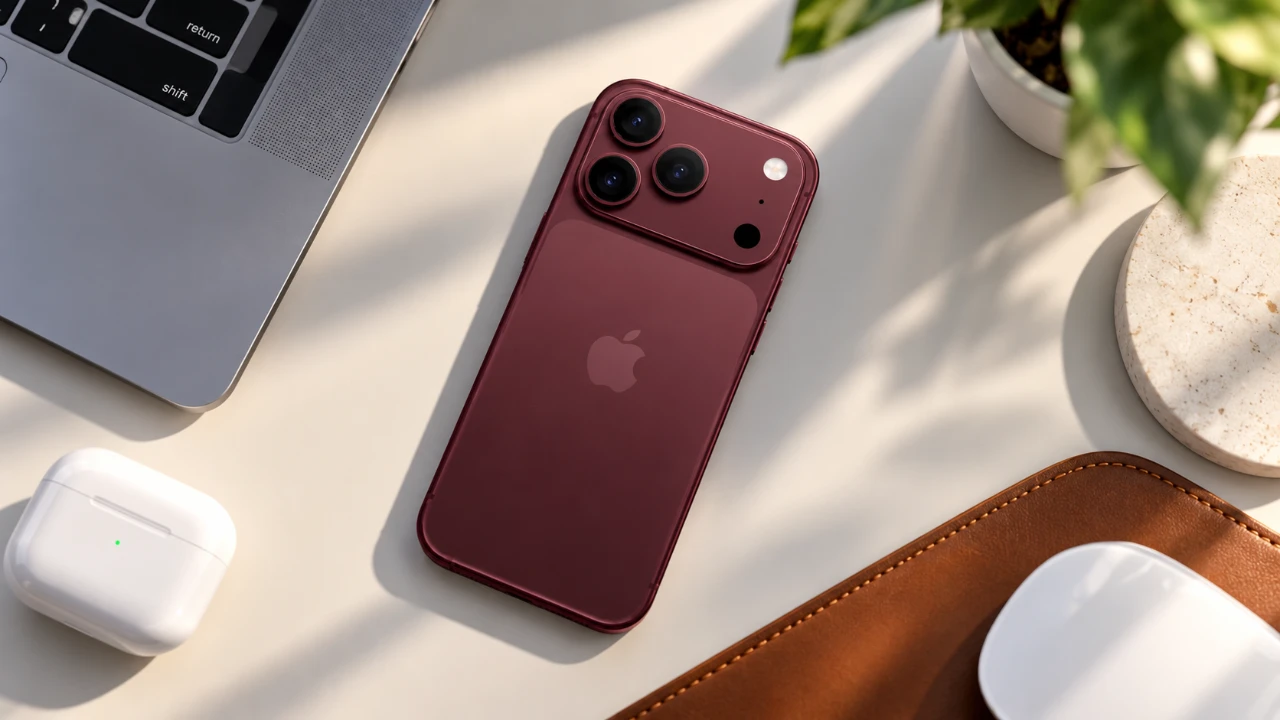
The iPhone 18 Pro introduces a range of refinements over its predecessors, the 17 Pro and 16 Pro. While it offers improvements in battery life, display technology, charging speeds, and performance, the differences between the 17 Pro and 18 Pro are relatively minor. For most users, the 17 Pro remains a more practical and cost-effective choice. However, if you’re upgrading from the 16 Pro, the 18 Pro delivers more noticeable enhancements, though the higher price may not be justified for everyone. The video beoow from Created Tech gives us more details on how the three handsets compare.

Battery Life: Incremental Gains That Add Up
Battery life remains a critical factor when considering a smartphone upgrade. The iPhone 18 Pro offers approximately 30 minutes more usage time than the 17 Pro and about 1.5 hours more than the 16 Pro. These gains are primarily attributed to software and hardware optimizations, as the actual battery size increase from the 17 Pro to the 18 Pro is less than 1%.
For 16 Pro users, the extended battery life is a significant improvement, especially if your current device struggles to last through the day. On the other hand, for 17 Pro users, the marginal increase in battery life may not justify the cost of upgrading.
Display Technology: Subtle Refinements
All three models feature Apple’s Super Retina XDR display with ProMotion technology, offering a smooth 120 Hz refresh rate and Always-On Display functionality. However, the 17 Pro and 18 Pro include Ceramic Shield 2, which provides better scratch resistance compared to the 16 Pro. The 18 Pro also introduces a smaller Dynamic Island, capable of displaying up to three live activities simultaneously, compared to two on earlier models.
For 16 Pro users, the enhanced durability and multitasking features of the 18 Pro may feel like a meaningful upgrade. However, for 17 Pro users, these refinements are unlikely to significantly impact daily usability.
Charging Speeds: Faster, But With Limitations
Charging speeds have improved across generations, with the iPhone 18 Pro achieving 50% charge in just 15 minutes using a 60W adapter. This is a noticeable improvement over the 17 Pro (20 minutes) and the 16 Pro (30 minutes). Additionally, all three models now feature USB-C ports with USB 3 speeds for faster data transfer. However, Apple continues to include a USB 2 cable in the box, limiting out-of-the-box functionality.
For power users, the faster charging and data transfer capabilities of the 18 Pro may be appealing, though the need for additional accessories could be a drawback. For casual users, these advancements are convenient but unlikely to be a decisive factor in upgrading.
Performance: A20 Pro Chip and Enhanced Cooling
The iPhone 18 Pro is powered by the A20 Pro chip, which delivers a 20-30% GPU performance boost over the 17 Pro. However, for everyday tasks such as browsing, messaging and streaming, the performance differences between the models are negligible. The 17 Pro introduced vapor chamber cooling, which has been further optimized in the 18 Pro for improved thermal management during demanding tasks like gaming or video editing.
For gamers and creators, the enhanced cooling and GPU performance of the 18 Pro may be worth considering. However, for everyday users, the performance gains are unlikely to be noticeable in routine use.
Camera Features: Incremental Yet Useful Upgrades
The camera systems across these models see subtle improvements. The 17 Pro introduced tap-to-zoom and aspect ratio rotation for the front camera, features that carry over to the 18 Pro. Both the 17 Pro and 18 Pro offer 8x zoom, but the 18 Pro adds a variable aperture and new pro-level features in the native camera app. Additionally, low-light performance and zoom flexibility have been slightly enhanced.
For photography enthusiasts, the 18 Pro’s upgrades may appeal, particularly if you value creative control. However, for casual photographers, the differences are unlikely to significantly change your experience if you already own a 17 Pro.
Build and Design: Subtle Tweaks
The 17 Pro and 18 Pro share the same rounded-edge chassis design, featuring Ceramic Shield glass for added durability. The 18 Pro introduces new color options—Burgundy, Glacier, and Black—offering a fresh aesthetic for those who prioritize design.
For design-focused users, the new colors and subtle refinements may be appealing. However, for everyone else, these changes are largely cosmetic and unlikely to influence your decision.
Price: Balancing Features and Value
The iPhone 18 Pro starts at $1,199, which is $100 more than the 17 Pro. Given the minimal differences between the two models, the 17 Pro offers better value for most users. For those upgrading from the 16 Pro, the improvements in battery life, performance and display technology may justify the higher cost, depending on your needs and budget.
Making the Right Choice
If you own the 16 Pro, upgrading to the 18 Pro provides meaningful improvements in battery life, performance and camera features. However, it’s essential to consider whether these enhancements align with your priorities and justify the higher price.
If you own the 17 Pro, the differences between the 17 Pro and 18 Pro are minimal, making an upgrade unnecessary for most users. The 17 Pro remains a cost-effective option, offering nearly identical features at a lower price.
Ultimately, your decision should depend on what matters most to you, whether it’s innovative performance, enhanced durability, or overall value.
Discover other guides from our vast content that could be of interest on iPhone 18 Pro Battery Life.
- Rumored iPhone 18 Pro vs iPhone 18 Pro Max Battery Test
- iPhone 18 Pro vs. Pro Max: The Battery Gap Is Wider Than Ever This Year
- iPhone 18 Pro vs. Pro Max: The Buying Trap Everyone Falls For
- Real-World Battery Test: Which 2026 Flagship Actually Lasts the Longest?
- Rumored iPhone 18 Pro vs 17 Pro: 1-Week Claims Are Misleading
Source: Created Tech
Disclosure: Some of our articles include affiliate links. If you buy something through one of these links, Geeky Gadgets may earn an affiliate commission. Learn about our Disclosure Policy.
