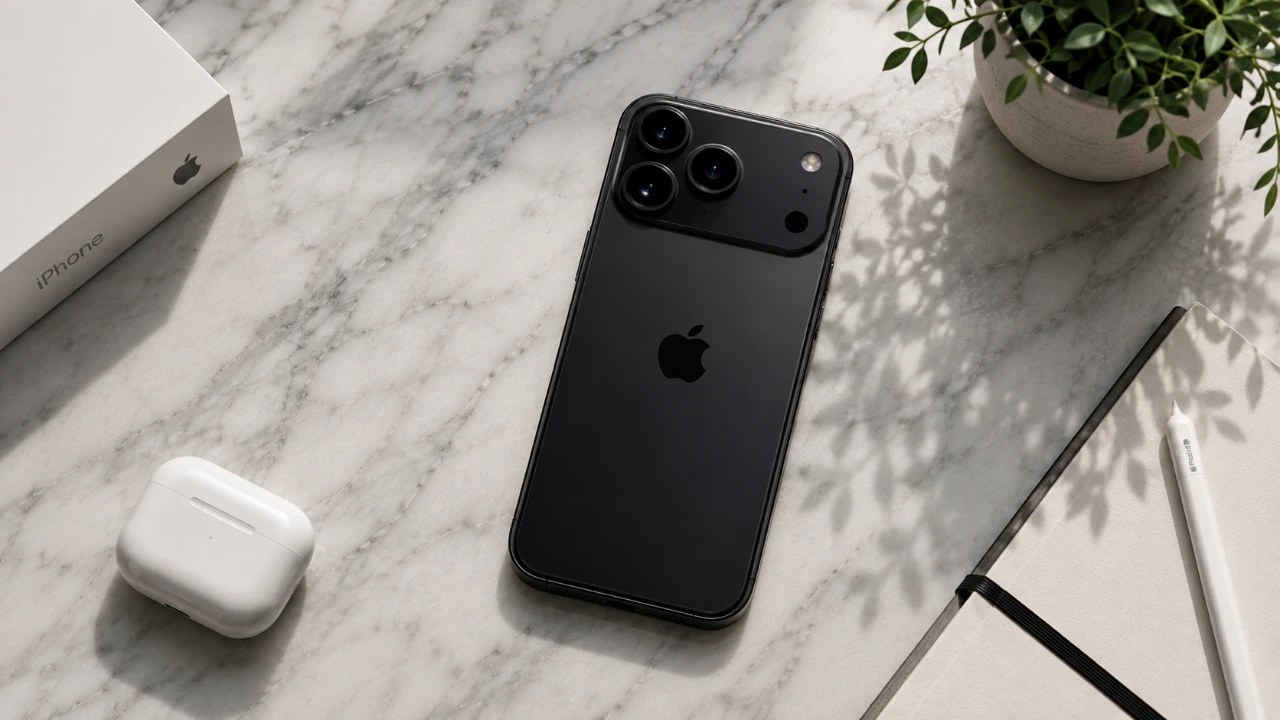
Battery life remains a crucial factor in evaluating the overall usability of modern smartphones. In a recent battery drain test, three flagship devices- the iPhone 18 Pro Max, Galaxy S26 Ultra, and Google Pixel 11 Pro XL—were rigorously tested to determine which device offers the best performance under demanding conditions. The results reveal how advancements in battery technology and chipset design directly impact runtime, with the iPhone 18 Pro Max emerging as the clear leader in this comparison. The video below from XEETCHCARE gives us more details on how the batteries on the three handsets compare.

iPhone 18 Pro Max: The Benchmark for Battery Performance
The iPhone 18 Pro Max has set a new benchmark for battery efficiency and longevity. Equipped with the A20 Pro chip, built on an advanced 2nm process, and paired with a larger battery, the device achieved an impressive runtime of 10 hours and 26 minutes. This performance places it significantly ahead of its competitors, solidifying its position as the top choice for users who prioritize extended battery life.
The A20 Pro chip is engineered to deliver a balance of power and efficiency, making sure the device maintains optimal performance even during intensive tasks. While the inclusion of a larger battery slightly increases the device’s weight, it also supports its exceptional runtime, making it a practical option for users who need a reliable smartphone for long periods of use without frequent recharging.
Galaxy S26 Ultra: Solid Performance, but Limited Progress
The Galaxy S26 Ultra delivers solid performance in many areas, but its battery life falls short compared to its competitors. The device’s runtime is hindered by its reliance on the same battery capacity as its predecessor from seven years ago. This lack of improvement highlights a missed opportunity to integrate newer technologies, such as more efficient chipsets or advanced manufacturing processes, to enhance energy efficiency.
While the Galaxy S26 Ultra remains a capable smartphone with strong features in other categories, its battery performance underscores the importance of prioritizing innovation in energy management. Without significant advancements in battery technology, the device struggles to keep pace with competitors that have embraced innovative solutions.
Google Pixel 11 Pro XL: Noticeable Progress, but Challenges Persist
The Google Pixel 11 Pro XL demonstrates clear progress in battery life compared to its predecessors, thanks to the inclusion of a larger battery. However, its overall runtime is limited by the less efficient Tensor chip, which struggles to match the energy efficiency of competing chipsets. This inefficiency prevents the device from fully capitalizing on its increased battery capacity.
Despite this limitation, the Pixel 11 Pro XL showcases how improvements in battery size can positively impact user experience. However, achieving an optimal balance between battery capacity and chipset efficiency remains a challenge for Google. Future iterations will need to address this issue to compete more effectively in the flagship smartphone market.
Key Observations from the Battery Test
The battery drain test was conducted under controlled conditions to ensure a fair and accurate comparison. All devices were operated in Wi-Fi-only mode, with SIM cards removed, to isolate battery performance as the primary variable. The following key observations emerged from the test:
- Devices with larger batteries, such as the iPhone 18 Pro Max and Pixel 11 Pro XL, tend to deliver longer runtimes, though this can increase device weight.
- Advanced chipsets, like the A20 Pro chip built on a 2nm process, significantly enhance energy efficiency and overall performance.
- Battery performance is not solely dependent on capacity; chipset efficiency plays a critical role in determining runtime.
- Manufacturers that fail to innovate in battery technology risk falling behind competitors that prioritize energy efficiency and longevity.
Insights into the Future of Smartphone Battery Performance
The results of this battery drain test highlight the growing importance of continuous innovation in battery technology and chipset design. The iPhone 18 Pro Max stands out as the top performer, combining a larger battery with innovative chipset technology to deliver exceptional runtime. In contrast, the Galaxy S26 Ultra and Google Pixel 11 Pro XL demonstrate the challenges of balancing battery capacity with efficiency, underscoring the need for manufacturers to adopt more advanced solutions.
As consumer expectations for longer-lasting devices continue to rise, the smartphone industry must focus on developing more efficient chipsets, improved battery materials, and innovative energy management systems. These advancements will not only enhance user experience but also set new standards for the future of mobile technology.
Here are more detailed guides and articles that you may find helpful on iPhone 18 Pro Max.
- Early iPhone 18 Reports Point to Major Unconfirmed Shifts
- iPhone 18 Pro Max Leaks: 10 Massive Upgrades Coming to Camera, Screen and Battery
- Early iPhone 18 Pro Max Leak Reveals the Upgrade We’ve Been Waiting For
- Just Leaked: 10 Huge Upgrades for the iPhone 18 Pro Max
- What Apple Just Confirmed About the iPhone 18 Pro and Ultra
Source: XEETECHCARE
Disclosure: Some of our articles include affiliate links. If you buy something through one of these links, Geeky Gadgets may earn an affiliate commission. Learn about our Disclosure Policy.
