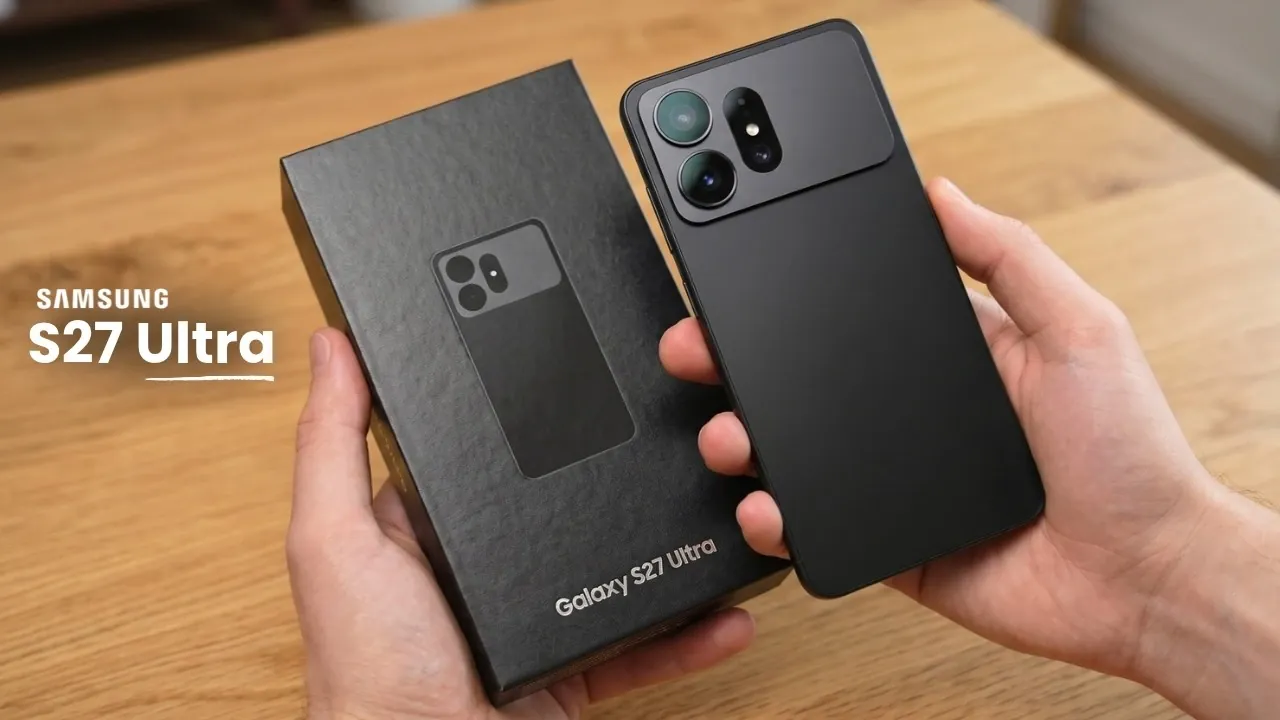
Samsung is set to elevate its flagship smartphone lineup with the Galaxy S27 series, showcasing significant advancements in hardware, design and processor strategy. By adopting a dual-chip approach and introducing exclusive features in the Ultra model, Samsung aims to cater to a diverse audience while maintaining its premium appeal. However, this ambitious strategy also raises questions about market perception, consumer preferences and the challenges of differentiation in a competitive landscape.
TL;DR Key Takeaways :
- Rectangular Camera Island: Ditching the classic floating lens layout for a unified rear island that improves flat stability and magnetic accessory support.
- Massive 5,700mAh Battery: Packs high-density cell architecture paired with 60W wired and 25W wireless fast charging.
- Extreme Snapdragon Silicon: Exclusively drives the Ultra model with Qualcomm’s peak Snapdragon 8 Elite Extreme Gen 6 chipset.
- Dual-Chip Segmentation: Splits hardware tiers globally between Qualcomm variants and Samsung’s in-house Exynos 2700 processors.

Processor Strategy: Dual-Chip Approach for Optimized Performance
The Galaxy S27 series introduces a dual-chip strategy, using both Qualcomm and Samsung’s in-house processors to meet varying market demands. The Snapdragon 8 Elite Gen 6 will power the Galaxy S27 Ultra and Pro models, while the Exynos 2700 processor will be featured in the standard Galaxy S27 and S27 Plus. Notably, the Ultra model will include the Snapdragon 8 Elite Extreme Gen 6, a high-performance variant exclusive to this flagship device.
This regional processor variation reflects Samsung’s effort to tailor performance to specific markets. For instance, Snapdragon-powered models are expected to dominate in regions like the U.S., where Qualcomm processors are highly regarded, while Exynos variants will likely be more prevalent in Europe and Asia. However, this strategy introduces potential challenges, such as consumer confusion regarding performance differences between Snapdragon and Exynos-powered devices. The disparity in user experience could influence purchasing decisions and brand perception, particularly in regions where Exynos processors have faced criticism in the past.
Design Updates: A Bold New Aesthetic
Samsung has reimagined the design of its Galaxy S27 Ultra and Pro models, introducing a striking rectangular camera island that replaces the floating camera design seen in previous iterations. This design shift not only enhances the visual appeal of the devices but also serves to distinguish the higher-end models from the standard variants, which will retain the floating camera layout.
The Ultra model’s design emphasizes both sophistication and functionality, aligning with its premium positioning. The rectangular camera island provides a more cohesive and professional look, while also housing advanced camera technology. Similarly, the Pro model adopts comparable design elements, making sure a unified visual identity across the lineup. These updates reflect Samsung’s commitment to blending aesthetics with practicality, appealing to users who value both style and performance.
Hardware Upgrades: Pushing the Boundaries of Technology
The Galaxy S27 Ultra is equipped with innovative hardware, making it an ideal choice for power users, gamers and photography enthusiasts. Key upgrades include:
- A robust 5,700mAh battery designed for extended usage, making sure the device can handle demanding tasks throughout the day.
- A stunning 6.9-inch QHD+ Dynamic AMOLED display that delivers immersive visuals with vibrant colors and sharp detail.
- An advanced triple-camera system featuring a 200MP primary sensor, a 50MP telephoto lens and enhanced image processing capabilities for professional-grade photography.
- Faster charging options, including 60W wired and 25W wireless charging, allowing users to quickly replenish battery life.
- Next-generation LPDDR6 memory and UFS 5.0 storage for improved speed, efficiency and multitasking performance.
The Galaxy S27 Pro, while slightly less advanced, offers impressive features such as a 5,200mAh battery, a 6.5-inch QHD+ Dynamic AMOLED display, and a dual-camera system with a 200MP primary sensor and a 12MP secondary lens. Both models share the same charging capabilities and memory/storage specifications, making sure consistent performance across the lineup. These hardware upgrades highlight Samsung’s focus on delivering a premium user experience, regardless of the model chosen.
Market Implications: Differentiation and Consumer Perception
Samsung’s strategy with the Galaxy S27 series underscores its efforts to differentiate the Pro and Ultra models while maintaining a cohesive product lineup. Exclusive features such as the Snapdragon 8 Elite Extreme Gen 6 processor, a larger display and enhanced camera capabilities in the Ultra model aim to justify its $1,399 price tag. In comparison, the Pro model, priced at $1,299, offers a slightly scaled-down feature set while still delivering premium performance.
However, the dual-chip strategy introduces complexities that could impact consumer perception. In regions where Exynos processors are less popular, the segmentation may lead to hesitation among potential buyers. Additionally, the performance gap between Snapdragon and Exynos variants could influence brand loyalty and sales performance, particularly in markets where consumers prioritize processor efficiency and reliability.
Looking Ahead: Key Questions and Future Prospects
The Galaxy S27 series represents a bold step forward for Samsung, but several critical questions remain unanswered. How will the dual-chip strategy affect consumer trust and satisfaction? Can the Ultra model’s hardware upgrades and exclusive features justify its price premium, especially in an increasingly competitive market? Furthermore, how will Samsung address potential concerns regarding performance disparities between Snapdragon- and Exynos-powered devices?
Samsung’s decision to launch the Galaxy S27 series earlier than usual, with an anticipated release in late January or early February 2027, signals confidence in its approach. This early launch positions the series to compete directly with rival flagship devices, potentially giving Samsung an edge in the market. Ultimately, the success of the Galaxy S27 series will depend on its ability to resonate with consumers, meet their evolving needs, and deliver on the promises of innovation and performance.
Find more information on Samsung Galaxy S27 Ultra by browsing our extensive range of articles, guides and tutorials.
- Samsung Galaxy S27 Ultra Leaks: Why the 4-Camera Era Might Be Officially Over
- Samsung Galaxy S27 Ultra: First Look at the Biggest Changes Coming Next Year
- Major Design Change Leaks for the Samsung Galaxy S27 Ultra
- Samsung Galaxy S27 Ultra Release Date: When to Expect the Next Flagship
- Why the Galaxy S27 Ultra Could Be Samsung’s Best Phone in Years
Source & Image Credit: Talks Daily Tech
Disclosure: Some of our articles include affiliate links. If you buy something through one of these links, Geeky Gadgets may earn an affiliate commission. Learn about our Disclosure Policy.
