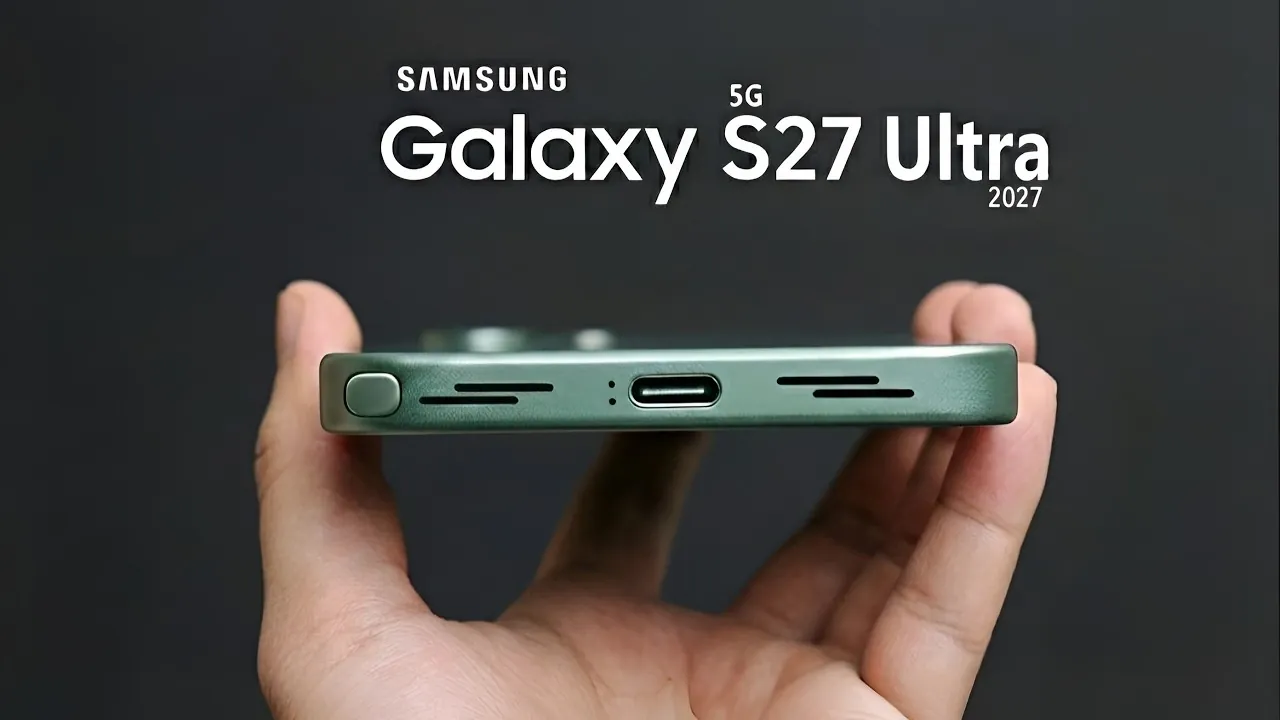
Samsung’s Galaxy S27 series introduces a compelling lineup of smartphones, each tailored to meet diverse user needs. Central to this generation is Samsung’s strategic split of three distinct 2nm processors across four models, creating sharp performance tiers. These unexpected hardware divides are critical to understanding how the Galaxy S27 Ultra, the new S27 Pro, and base variants stack up against each other.
- Three-Chip Split: Samsung’s S27 family spreads across the Exynos 2700, Snapdragon 8 Elite Gen 6, and the peak Snapdragon 8 Elite Extreme Gen 6.
- Ultra vs. Pro Tiering: The Ultra claims Qualcomm’s absolute peak “Extreme” silicon, while the new compact Pro model steps down to the standard Gen 6 variant.
- Base & Plus Models: Rely on Samsung’s in-house Exynos 2700 across key European and international markets.
- Performance Disparity: Raises questions over whether mid-tier buyers will feel shortchanged by missing out on ultimate flagship silicon.

Processor Allocation: Defining Performance Tiers
The Galaxy S27 series employs a tiered processor strategy, utilizing three distinct chips to power the lineup. This allocation underscores Samsung’s intent to differentiate its models by raw performance metrics and target specific consumer expectations:
- Galaxy S27 Ultra: Powered exclusively by Qualcomm’s Snapdragon 8 Elite Extreme Gen 6, engineered for uncompromised peak speed, heavy gaming, and advanced on-device AI workloads.
- Galaxy S27 Pro: Equipped with the standard Snapdragon 8 Elite Gen 6, delivering robust flagship-tier functionality in a streamlined 6.5-inch form factor.
- Galaxy S27 and S27 Plus: Configured to feature Samsung’s in-house Exynos 2700 chipset across major international markets like Europe, optimized for balanced daily power efficiency.
This hierarchy reflects Samsung’s strategy to cater to a broad spectrum of consumers. The Ultra model is tailored for enthusiasts seeking absolute maximum hardware performance, while the Pro, base, and Plus models provide tiered pricing structures for everyday productivity.
Dual-Chip & Three-Chip Dynamics: Balancing Performance and Cost
Samsung’s multi-chip approach is a cornerstone of the Galaxy S27 series, blending hardware innovation with supply-chain cost-effectiveness. By reserving the Snapdragon 8 Elite Extreme Gen 6 exclusively for the Ultra model, Samsung positions its largest flagship as a direct competitor to other elite mobile powerhouses.
For the Pro, base, and Plus models, relying on the Exynos 2700 and standard Snapdragon 8 Elite Gen 6 ensures that mid-tier buyers still benefit from efficient 2nm architecture. However, early database tracking and internal benchmark leaks have sparked industry discussions regarding raw throughput, highlighting how Samsung’s silicon segmentation impacts consumer choice and value.
Regional Variations: Understanding the Divide
Processor allocation within the Galaxy S27 series varies by region, continuing a long-standing supply-chain trend for the brand:
- Snapdragon-Powered Markets: Regions like North America and China traditionally receive Qualcomm Snapdragon configurations across select flagship tiers.
- Exynos-Powered Markets: European entries point heavily toward the Exynos 2700 powering the base S27 and S27 Plus, while the Pro and Ultra adopt distinct Qualcomm tiers.
For buyers, this means real-world sustained performance can shift depending on your geographic market. Historically, Snapdragon processors have maintained an edge in heavy gaming and thermal efficiency under stress, making it vital to review local release specifications if high performance is a priority.
Performance Gap: Ultra vs. Pro
The exclusive use of the Snapdragon 8 Elite Extreme Gen 6 in the Galaxy S27 Ultra creates a clear performance divide within the flagship family. This advanced processor introduces several key advantages:
- Higher factory clock speeds and graphics power for faster rendering and frame stability.
- Enhanced neural processing units optimized for heavy generative AI workloads.
- Advanced thermal architectures designed to sustain peak output during long sessions.
These attributes make the Ultra model the go-to device for absolute power users. Meanwhile, the S27 Pro offers a balanced, highly manageable footprint for users who want premium features without handling a massive device, though it leaves a noticeable performance ceiling between the two models.
Strategic Approach: Catering to Diverse Needs
Samsung’s processor strategy for the Galaxy S27 series represents a calculated shift, balancing cutting-edge silicon innovation with retail accessibility. While regional variants introduce choices and trade-offs, the clear segmentation between the Pro and Ultra ensures that every buyer must carefully evaluate what matters most to their daily workflow.
By understanding these hardware splits, regional variations, and tier boundaries, you can select the ideal Galaxy S27 model for your daily needs—whether you prioritize top-tier processing power or balanced everyday value.
Explore further guides and articles from our vast library that you may find relevant to your interests in Samsung Galaxy S27 Ultra.
- Samsung Galaxy S27 Ultra Leaks: Why the 4-Camera Era Might Be Officially Over
- Samsung Galaxy S27 Ultra: First Look at the Biggest Changes Coming Next Year
- Major Design Change Leaks for the Samsung Galaxy S27 Ultra
- Samsung Galaxy S27 Ultra Release Date: When to Expect the Next Flagship
- Why the Galaxy S27 Ultra Could Be Samsung’s Best Phone in Years
Source & Image Credit: Demon’s Tech
Disclosure: Some of our articles include affiliate links. If you buy something through one of these links, Geeky Gadgets may earn an affiliate commission. Learn about our Disclosure Policy.
