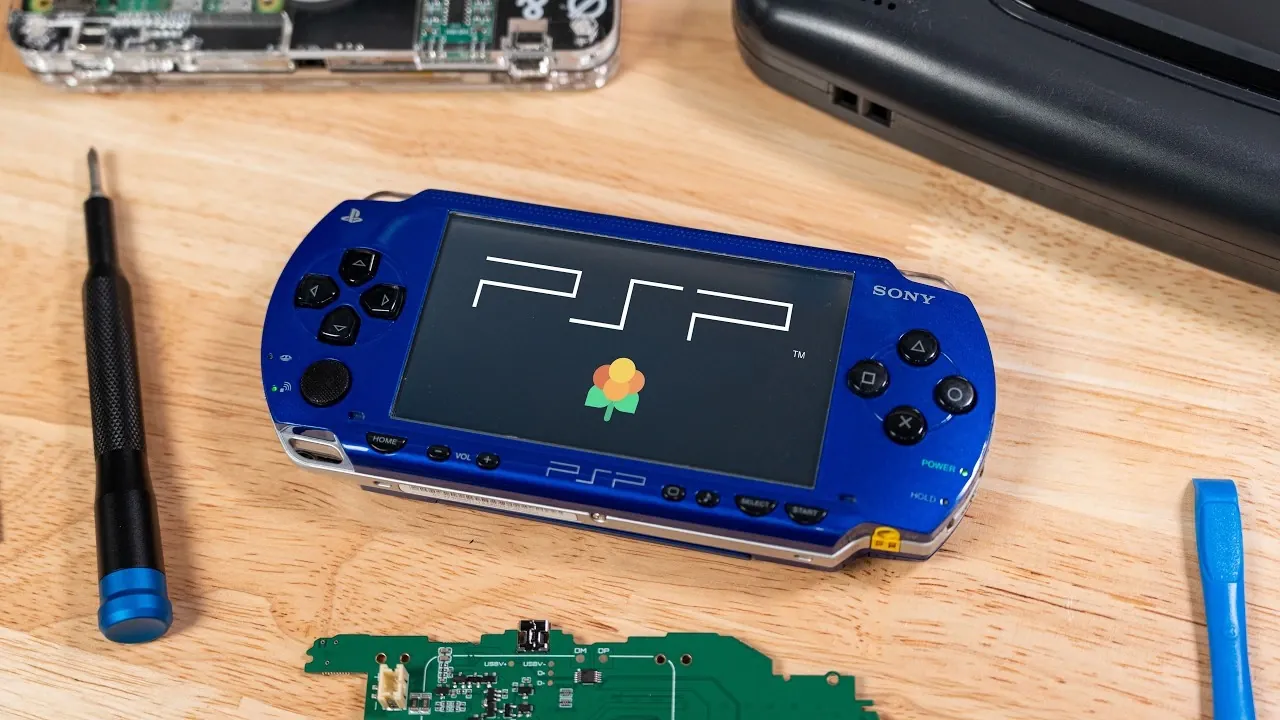
The PSPi mod revitalizes the classic PSP 1000 by integrating modern Raspberry Pi hardware while preserving its original design and controls. Developed by Adam, known as “othermod” on GitHub, this open source project uses components like the Raspberry Pi Zero or Compute Module 4 (CM4) to enable retro gaming through platforms such as RetroPie and Lakka. Jeff Geerling examines how this mod combines nostalgia with functionality, showcasing features like smooth emulation of systems including the PS1 and PSP itself.
Discover how the PSPi mod tackles technical challenges such as heat management through cooling solutions and explore its compatibility with various retro gaming platforms. Learn about the assembly process, which incorporates original PSP parts like button membranes and screens and understand how the project encourages sustainability by repurposing older hardware. This overview provides actionable insights for anyone interested in building a personalized retro gaming device.
What is the PSPi Project?
TL;DR Key Takeaways :
- The PSPi project revitalizes the PSP 1000 by integrating Raspberry Pi hardware, transforming it into a modern retro gaming device while retaining its classic design and controls.
- It supports retro gaming platforms like Lakka and RetroPie, allowing compatibility with a wide range of classic games, including PSP and PS1 titles.
- The mod emphasizes sustainability by repurposing outdated or damaged PSPs, reducing electronic waste and promoting environmentally conscious practices.
- Challenges such as heat management are addressed with cooling solutions, making sure reliable performance during extended gaming sessions.
- Future advancements in Raspberry Pi technology could further enhance the mod’s capabilities, making it a forward-looking project for retro gaming enthusiasts.
The PSPi project is an innovative open source hardware modification aimed at modernizing the PSP 1000. By integrating a Raspberry Pi Zero, Zero 2 W, or Compute Module 4 (CM4), the mod enables the device to run retro gaming platforms such as Lakka and RetroPie. This transformation allows the PSP to handle a wide range of retro gaming titles while maintaining its iconic design.
The project is a testament to the creativity of retro gaming enthusiasts and the potential of open source hardware to repurpose outdated devices. It not only preserves the PSP’s legacy but also improves its functionality, making it a compelling option for gamers who value both nostalgia and performance.
How It Works: Compatibility and Assembly
The PSPi mod is specifically designed for the PSP 1000 series, making sure a precise fit within its unique form factor. To complete the build, several original PSP components are required, including the button membranes and the screen. Storage options such as microSD cards or eMMC modules provide flexibility, catering to different levels of technical expertise and user preferences.
While the project is accessible to those with basic modding experience, it demands careful attention to detail during assembly. The process involves precise soldering and component placement, making patience and planning essential for success. For beginners, following detailed guides and taking a methodical approach can significantly improve the outcome.
Check out more relevant guides from our extensive collection on Raspberry Pi Zero that you might find useful.
- Transform Your Raspberry Pi 5 Into a Desktop Powerhouse with Alpine Linux
- Raspberry Pi Zero 2 W USB soundcard and DAC
- Raspberry Pi Zero handheld Linux mini PC
- Make a Pi Home Control Panel with the New Raspberry Pi 2 Touchscreen
- Raspberry Pi Laptop Created Using Zero W And Smartphone Keyboard
- Power your next project over Ethernet using the Raspberry Pi Zero PoE USB Hub HAT
- Build a Color E-Paper Smart Dashboard Hub for Any Room with a Pi Zero
- Waveshare Raspberry Pi Zero expansion board $15
- Turn a Raspberry Pi Zero into a Wired Mini Server with an Affordable Hub
- Overclocking a Raspberry Pi Zero 2 W to 1.2GHz and above
Performance and Challenges
At the heart of the PSPi mod is the Raspberry Pi Compute Module 4 (CM4), which delivers impressive performance capable of emulating PSP, PS1 and other retro consoles. This hardware upgrade ensures smooth gameplay and broad compatibility with retro gaming platforms. However, the enhanced performance introduces challenges, particularly in managing heat. The CM4 generates significant heat during operation, necessitating cooling solutions to maintain optimal performance.
To address this, options such as heatsinks or active cooling systems can be implemented. These modifications help prevent overheating and ensure the device operates reliably during extended gaming sessions. Despite these challenges, the PSPi mod offers a compelling retro gaming experience, combining the PSP’s nostalgic appeal with the capabilities of modern hardware.
Key Features and Benefits
One of the standout aspects of the PSPi mod is its ability to retain the PSP’s original controls and interface, making sure an authentic gaming experience. This attention to detail preserves the device’s classic feel while integrating modern enhancements. Key features include:
- Support for retro gaming platforms like Lakka and RetroPie, allowing access to a vast library of classic games.
- Built-in Wi-Fi integration, allowing for seamless game downloads and system updates.
- Compatibility with a wide range of retro gaming titles, from PSP classics to PS1 favorites and beyond.
These features make the PSPi mod a versatile and practical choice for gamers who appreciate the simplicity of retro gaming while benefiting from modern technology.
Preserving Nostalgia Through Sustainability
The PSPi project emphasizes the importance of preserving and repurposing older gaming hardware. By transforming broken or outdated PSPs into functional retro gaming devices, the mod promotes sustainability and resourcefulness. This approach reduces electronic waste and encourages the creative reuse of existing components, aligning with environmentally conscious practices.
For many enthusiasts, the appeal lies in the simplicity and authenticity of retro gaming. The PSPi mod eliminates the complexities of modern gaming systems, such as online accounts and frequent updates, offering a straightforward and enjoyable gaming experience. This balance of nostalgia and innovation resonates with gamers who value the charm of classic devices while embracing the possibilities of modern hardware.
Future Potential and Considerations
While the PSPi mod offers numerous advantages, it is not without minor limitations. For instance, the PSP’s original screen is prone to fingerprints and occasional graphical glitches may occur during gameplay. Additionally, the project encourages the use of damaged or broken PSPs for parts, reducing the need to purchase new components and fostering a resourceful approach to hardware modification.
Looking ahead, advancements in Raspberry Pi technology could further enhance the mod’s capabilities. The potential release of newer modules, such as a hypothetical Compute Module 5 (CM5), could address current limitations and expand the mod’s performance. These developments could open the door to even more sophisticated retro gaming applications, making sure the PSPi project remains relevant in the evolving tech landscape.
A Celebration of Retro Gaming
The PSPi project exemplifies the enduring appeal of retro gaming and the creativity of the modding community. By combining the nostalgia of the PSP 1000 with the power of Raspberry Pi hardware, this open source mod keeps classic gaming devices relevant in today’s technology-driven world. Whether you’re an experienced modder or a retro gaming enthusiast, the PSPi project offers a unique opportunity to preserve and enjoy the simplicity of gaming’s past while exploring the possibilities of the future.
Media Credit: Jeff Geerling
Disclosure: Some of our articles include affiliate links. If you buy something through one of these links, Geeky Gadgets may earn an affiliate commission. Learn about our Disclosure Policy.
