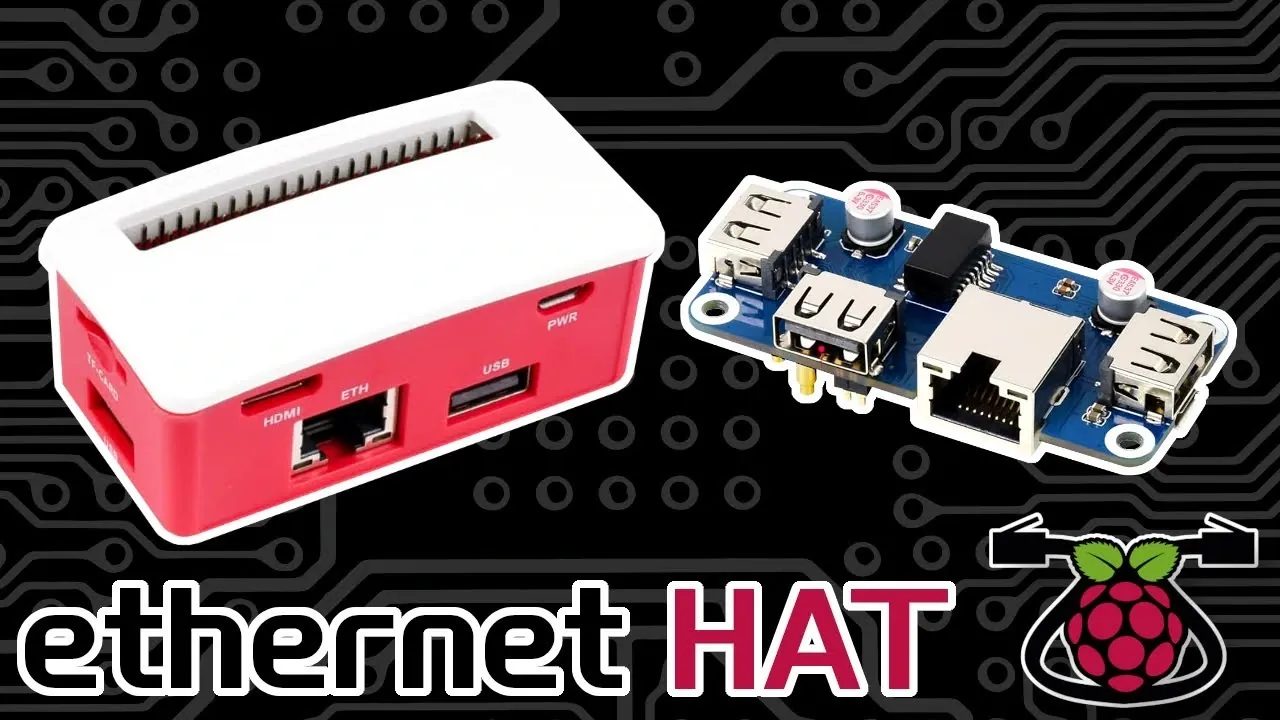
What if your Raspberry Pi Zero could go from a lightweight hobbyist board to a fully connected powerhouse? Interfacing Linux walks through how a simple yet fantastic add-on, the Wave Share Ethernet and USB hub, can unlock the true potential of the Raspberry Pi Zero and Pi Zero 2W. This compact accessory doesn’t just add Ethernet and USB ports; it addresses the device’s most frustrating limitations, from sluggish Wi-Fi speeds to limited peripheral support. Imagine running a stable server, streaming data seamlessly, or powering an IoT project without the usual connectivity headaches. With features like a 10/100 Ethernet port and a GPIO-free pogo pin connection, this upgrade promises to redefine what your Raspberry Pi Zero can do.
In this overview, we’ll explore why the Wave Share Ethernet and USB hub is more than just a convenience, it’s a fantastic option for Raspberry Pi enthusiasts. You’ll discover how its thoughtful design simplifies setup, enhances performance, and even preserves GPIO pins for other projects. Whether you’re curious about its dual connectivity options or wondering how it handles real-world challenges like heat dissipation and SD card access, this breakdown will provide the insights you need. By the end, you might just find yourself rethinking the possibilities of your Raspberry Pi Zero.
Raspberry Pi Zero Connectivity Upgrade
TL;DR Key Takeaways :
- Enhanced Connectivity: The Wave Share Ethernet and USB hub provides a 10/100 Ethernet port for stable and faster wired internet (90-92 Mbps) and three USB Type-A ports for connecting peripherals, addressing the Raspberry Pi Zero’s connectivity limitations.
- GPIO-Free Pogo Pin Connection: The hub connects to the Raspberry Pi without using GPIO pins, preserving them for other projects and simplifying the setup process.
- Improved Design and Usability: Features like built-in ventilation for heat dissipation and dual connectivity (Ethernet and Wi-Fi) enhance functionality, though SD card access can be challenging once assembled.
- Performance Boost: Ideal for lightweight servers, IoT projects, and media streaming, the hub ensures reliable operation and stable network performance, outperforming the built-in Wi-Fi of the Raspberry Pi Zero series.
- Affordable Upgrade: Priced at around $20, the hub offers excellent value, making it a cost-effective solution for expanding the capabilities of Raspberry Pi Zero and Pi Zero 2W devices.
Key Features and Benefits
The Wave Share Ethernet and USB hub is designed to enhance the Raspberry Pi Zero series by providing additional connectivity options. Its key features include:
- 10/100 Ethernet Port: Delivers a stable and reliable wired internet connection, achieving speeds of approximately 90-92 Mbps. This is a significant improvement over the built-in Wi-Fi capabilities of the Raspberry Pi Zero and Pi Zero 2W, making it ideal for applications requiring consistent network performance.
- Three USB Type-A Ports: Expands the device’s peripheral connectivity, allowing users to connect keyboards, mice, external storage devices, or other USB accessories. This feature enhances the Raspberry Pi’s versatility for a variety of use cases.
- Pogo Pin Connection: Connects to the Raspberry Pi without occupying the GPIO pins, preserving them for other projects or components. This simplifies the setup process and ensures compatibility with additional hardware.
The hub is fully compatible with both the Raspberry Pi Zero and Pi Zero 2W, making it a flexible and practical solution for users looking to maximize the potential of their devices.
Assembly and Design
The Wave Share Ethernet and USB hub includes all necessary components for assembly, such as screws, standoffs, and caps, making sure a straightforward setup process. Its case design is both durable and functional, offering features that enhance usability and protect the Raspberry Pi. Notable design elements include:
- Ventilation: Built-in ventilation ensures efficient heat dissipation, keeping the Raspberry Pi cool even during extended periods of operation or under heavy workloads.
- Dual Connectivity: The ability to use both Ethernet and Wi-Fi simultaneously provides flexibility for various applications, such as running servers or IoT projects.
Despite its user-friendly design, there are minor challenges during assembly. For example, accessing the SD card can be difficult once the case is fully assembled, often requiring tools like tweezers. However, these issues are manageable and do not detract significantly from the overall ease of use.
Ethernet for the Raspberry Pi Zero
Check out more relevant guides from our extensive collection on Raspberry Pi Zero that you might find useful.
- DIY Raspberry Pi Zero W Pocket Projector
- Raspberry Pi Zero Pimoroni pHAT BEAT Arrives At Adafruit
- JuiceBox Zero, Raspberry Pi Zero Battery Management Board
- Raspberry Pi Zero Pimoroni PiHAT Now Available From Adafruit For
- ZeroPhone $50 Raspberry Pi Zero Smartphone “Coming Soon
- SNES cartridge RetroPie Raspberry Pi Zero W console
- Kodak Box Brownie Camera Converted To Digital Using Raspberry
- Raspberry Pi Zero Soap Bar 3D Printed Case
- Minimalist Raspberry Pi Zero W HQ camera case
- One Piece 3D Printed Raspberry Pi Zero Case
Performance Enhancements
The Wave Share Ethernet and USB hub significantly improves the Raspberry Pi Zero’s performance by addressing its connectivity limitations. The USB 2.0 hub supports multiple peripherals simultaneously, making sure stable and reliable operation even when connecting external drives, input devices, or other accessories. The 10/100 Ethernet port provides a wired internet connection that is both faster and more stable than the device’s built-in Wi-Fi, making it particularly useful for:
- Running lightweight servers that require consistent network performance
- Streaming data or media with minimal interruptions
- Developing and deploying IoT projects where reliability is crucial
These enhancements make the add-on an excellent choice for users seeking to expand the functionality of their Raspberry Pi Zero or Pi Zero 2W.
Limitations to Consider
While the Wave Share Ethernet and USB hub offers numerous benefits, there are a few limitations to keep in mind:
- Heat Sink Compatibility: Users planning to install a heat sink should ensure it has a low-profile design to fit within the case. This is particularly important for those running resource-intensive applications that generate additional heat.
- SD Card Access: Accessing the SD card can be cumbersome once the case is fully assembled. In some cases, tools like tweezers may be required to remove or replace the card, which could be inconvenient for users who frequently swap SD cards.
These limitations are relatively minor and are unlikely to outweigh the overall benefits of the add-on for most users.
Cost and Value
Priced at approximately $20, the Wave Share Ethernet and USB hub offers excellent value for its features. It provides an affordable way to enhance the performance and usability of the Raspberry Pi Zero and Pi Zero 2W, making it a cost-effective solution for a wide range of applications. Whether you’re using your Raspberry Pi as a lightweight server, a media center, or a development platform, this add-on delivers the connectivity and functionality needed to meet your requirements.
For users seeking to maximize the potential of their Raspberry Pi Zero series devices, the Wave Share Ethernet and USB hub is a practical and worthwhile investment. Its combination of affordability, functionality, and ease of use makes it an essential accessory for hobbyists, developers, and anyone looking to expand their Raspberry Pi’s capabilities.
Media Credit: Interfacing Linux
Disclosure: Some of our articles include affiliate links. If you buy something through one of these links, Geeky Gadgets may earn an affiliate commission. Learn about our Disclosure Policy.
