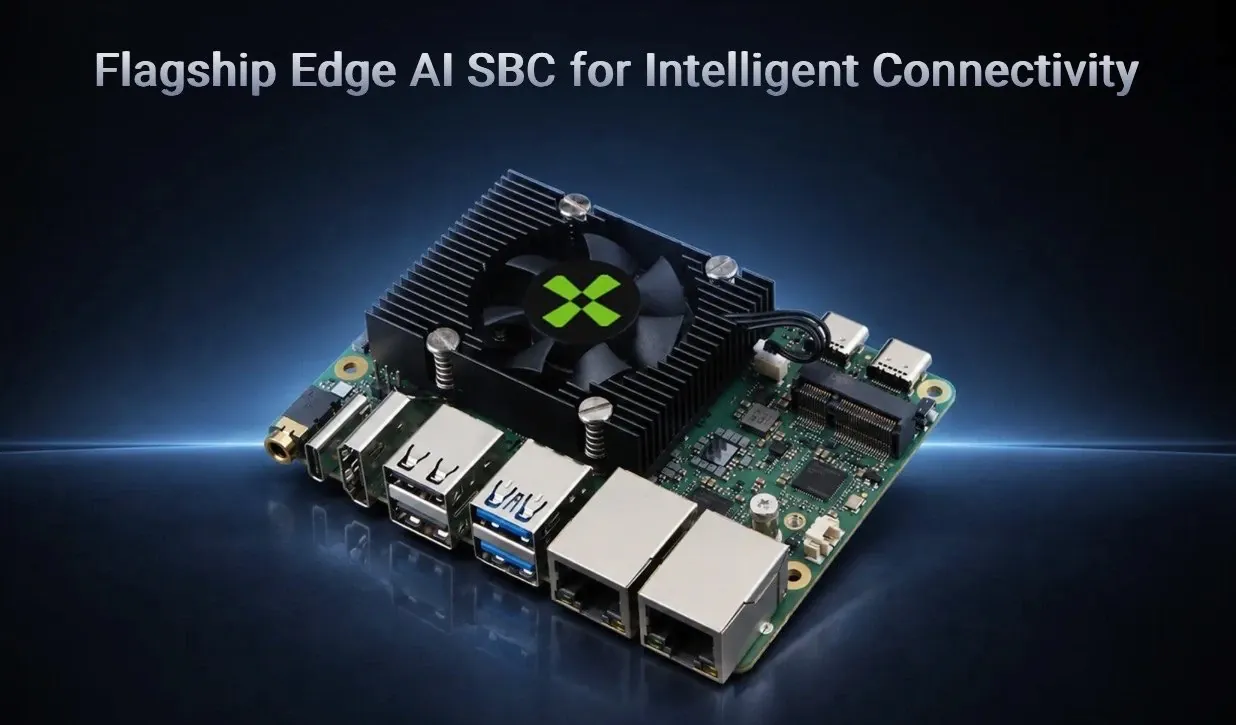
Qualcomm’s Radxa Dragon Q8B, built on the Snapdragon 8CX Gen 3 platform, delivers desktop-class performance in a single-board computer (SBC). With double the CPU cores and a faster GPU compared to the Raspberry Pi 5, it is capable of handling tasks like AI development and media processing. However, as Jeff Geerling explains, its appeal is limited by challenges such as a complex software setup, reliance on proprietary frameworks and restricted availability, making it a less practical option for many users.
Explore how the Q8B compares to the Raspberry Pi 5 in terms of hardware features, including dual 2.5 Gbps Ethernet ports and PCIe expandability. Learn about the software limitations that complicate its usability and the pricing factors that influence its accessibility. Gain insight into why the Q8B may appeal to advanced users while remaining out of reach for hobbyists and educators.
Unmatched Performance in a Compact Package
TL;DR Key Takeaways :
- The Radxa Dragon Q8B, powered by Qualcomm’s Snapdragon 8CX Gen 3, offers desktop-class performance with double the CPU cores and a significantly faster GPU compared to the Raspberry Pi 5, making it ideal for demanding tasks like AI development and media processing.
- Advanced hardware features include dual 2.5 Gbps Ethernet ports, multiple PCIe lanes and M.2 slots, native Windows 11 support and an efficient cooling system, catering to power users and professionals.
- Software setup is complex, requiring proprietary tools and advanced technical knowledge, with limited community support, making it less accessible to beginners and hobbyists.
- Limited availability and a higher price point compared to the Raspberry Pi 5 hinder its adoption, especially in regions with supply chain constraints.
- While the Q8B outperforms the Raspberry Pi 5 in hardware capabilities, the latter remains the preferred choice for most users due to its simplicity, affordability and extensive community support.
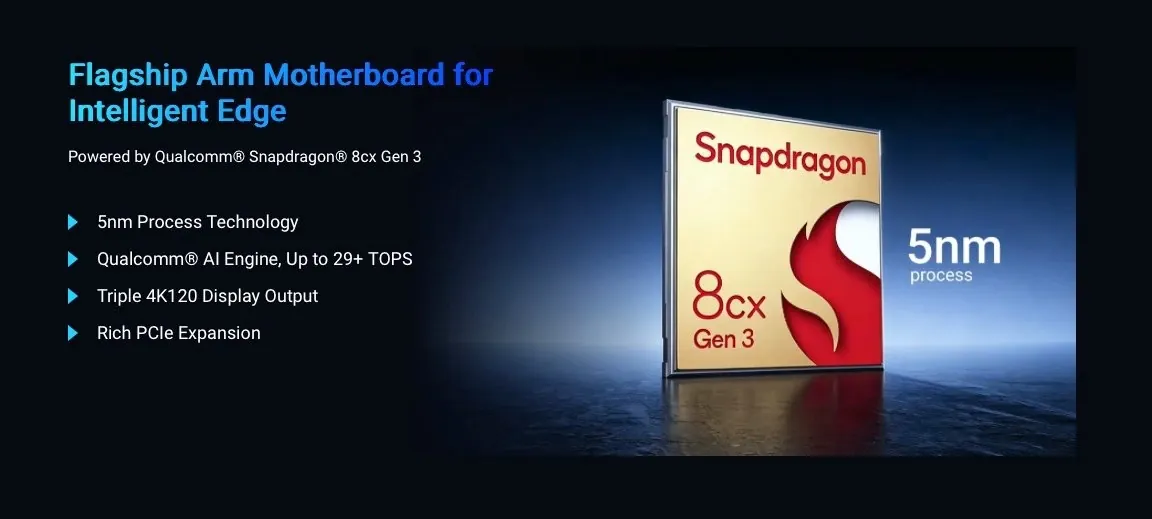
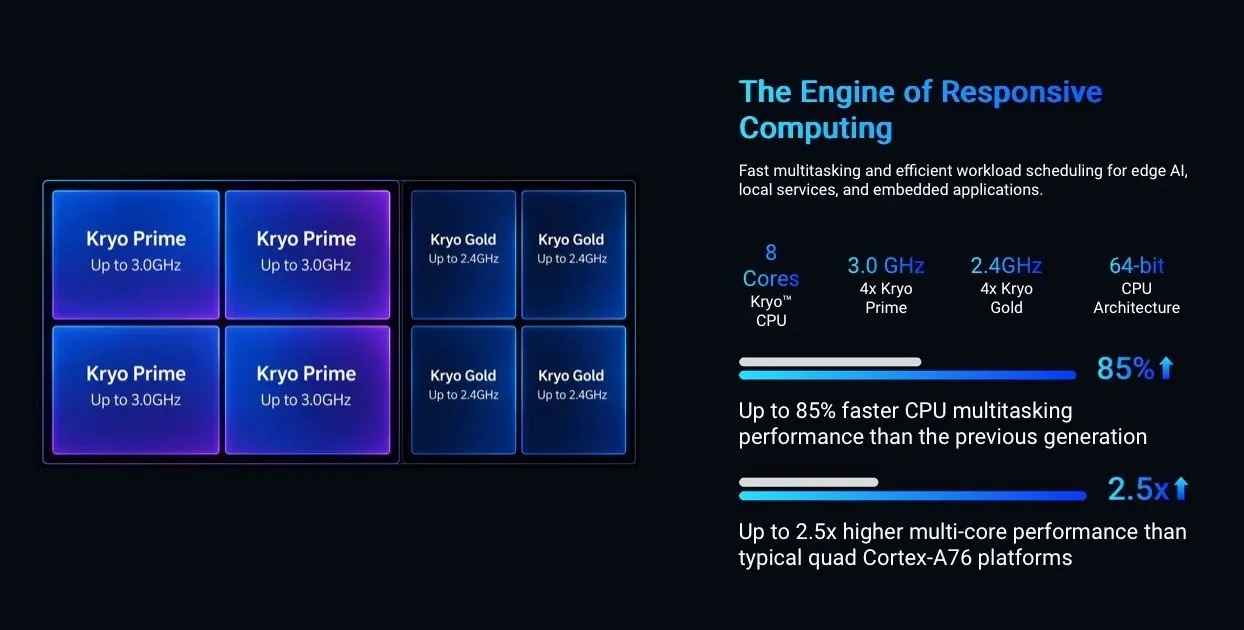
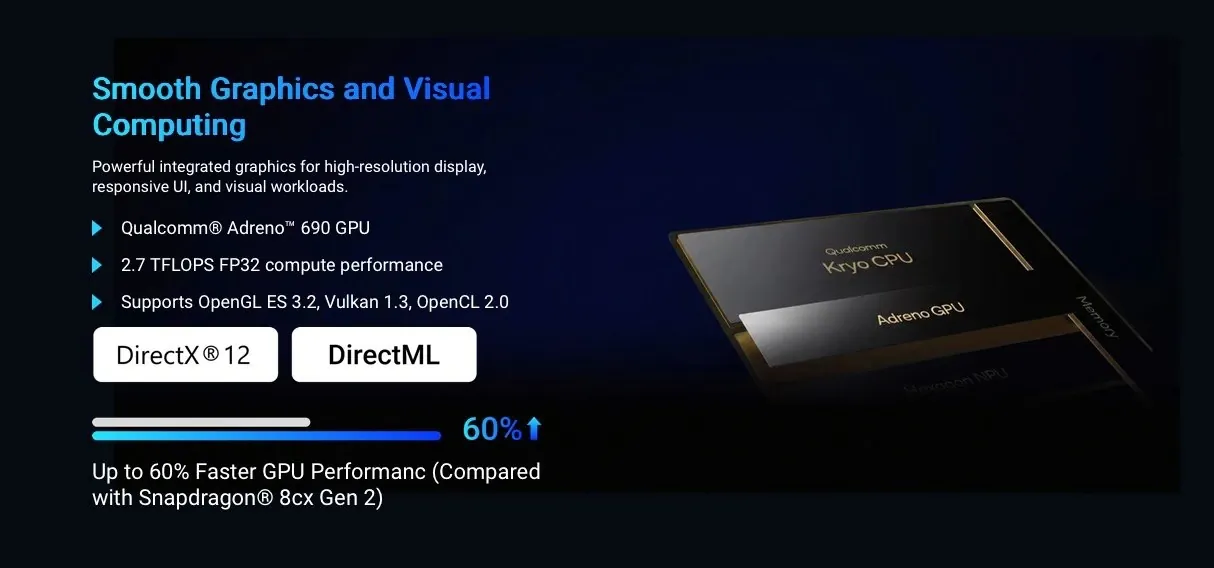
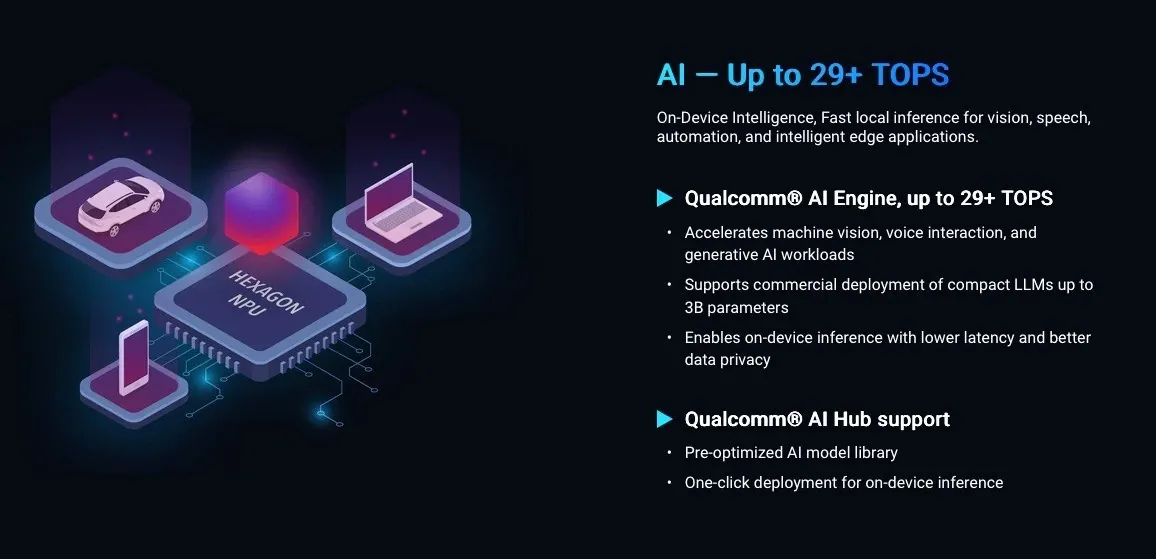
At the heart of the Radxa Dragon Q8B is the Snapdragon 8CX Gen 3, a processor that redefines what SBCs can achieve. With double the CPU cores and a substantially faster GPU compared to the Raspberry Pi 5, the Q8B is built for demanding workloads. Its superior multi-core processing, enhanced memory bandwidth and exceptional 3D rendering capabilities make it an ideal choice for tasks such as AI development, media processing and advanced simulations.
Despite its desktop-class performance, the Q8B maintains energy efficiency, although it does consume more power under heavy workloads compared to its competitors. For users prioritizing raw computing power in a compact form factor, this board delivers capabilities that rival traditional PCs, making it a standout option for professionals and enthusiasts alike.
Hardware Features for Power Users
The Radxa Dragon Q8B is engineered with advanced users in mind, offering a suite of high-end hardware features that cater to demanding applications. These include:
- Dual 2.5 Gbps Ethernet ports for high-speed networking, ideal for server applications and data-intensive tasks.
- Multiple PCIe lanes and M.2 slots for seamless storage and peripheral expansion.
- Native support for Windows 11 alongside improved Linux compatibility, providing versatile operating system options.
- An efficient cooling system that minimizes noise while maintaining optimal thermal performance under heavy workloads.
These features position the Q8B as a robust platform for power users engaged in network management, custom hardware projects and other resource-intensive tasks. Its hardware flexibility and expandability make it a compelling choice for those seeking to push the boundaries of SBC capabilities.

Unlock more potential in Snapdragon by reading previous articles we have written.
- Samsung Galaxy S27 Ultra Performance: Everything We Know So Far
- Snapdragon 8 Gen 3 mobile games emulation performance tested
- Samsung Galaxy S27 Ultra Chip Leak: Custom 2nm Snapdragon Powerhouse Confirmed?
- Android Handhelds Become Viable Budget Steam Deck Alternatives
- Don’t Upgrade to the Galaxy Watch 9 Until You See How It Compares to the Watch 7
- NVIDIA RTX 4060 Runs Cyberpunk 2077 on Snapdragon X2 Elite
- Samsung Galaxy S27 Ultra May Bring Its Biggest Gaming Upgrade Yet
- Forget the S27 Ultra: Samsung’s New Galaxy S27 Pro Might Be the Real Star
- The Shocking Galaxy S27 Ultra Battery Leak That Changes Everything
- Samsung Dumps Exynos: Galaxy Watch 9 & Ultra 2 Get a Massive Snapdragon Upgrade
Software Complexity: A Barrier for Many
While the Radxa Dragon Q8B excels in hardware, its software ecosystem presents significant challenges. Setting up the operating system requires specific configurations and proprietary tools, which can be daunting for users accustomed to the simplicity of the Raspberry Pi ecosystem.
Key software challenges include:
- Dependence on Qualcomm’s proprietary tools for system updates and maintenance, limiting flexibility.
- BIOS quirks that complicate compatibility with generic operating systems, requiring advanced technical knowledge.
- A lack of community-driven support, making troubleshooting and problem-solving more difficult for users.
These complexities make the Q8B less appealing to hobbyists, educators and beginners, who often prioritize ease of use and robust community resources over raw performance. For advanced users willing to navigate these hurdles, the Q8B offers immense potential, but its steep learning curve remains a significant drawback.
Availability and Pricing: A Tough Sell
One of the most significant challenges facing the Radxa Dragon Q8B is its limited availability. Supply chain constraints and long lead times make it difficult to purchase, particularly in regions such as North America. Even when available, its price is comparable to or higher than the Raspberry Pi 5, which remains a more budget-friendly option for most users.
For many, the combination of higher costs and limited stock makes the Q8B a less practical choice. The Raspberry Pi 5, with its affordability and widespread availability, continues to dominate the market, offering a more accessible alternative for hobbyists and educators. The Q8B’s premium pricing and restricted distribution further limit its appeal, particularly in a market already strained by rising costs and supply shortages.
How It Stacks Up Against the Raspberry Pi 5
When compared to the Raspberry Pi 5, the Radxa Dragon Q8B clearly outshines in terms of hardware capabilities. Its superior processing power, expandability, and networking features make it a formidable competitor. However, the Raspberry Pi 5 remains the preferred choice for the majority of users due to its:
- Simplicity in setup and operation, making it accessible to beginners and educators.
- Extensive community support and comprehensive documentation, making sure a smoother user experience.
- Widespread availability and affordability, solidifying its position as the go-to SBC for most applications.
For hobbyists, educators and those new to SBCs, the Raspberry Pi 5 continues to dominate as the more practical and user-friendly option. In contrast, the Q8B targets advanced users who are willing to navigate its complexities in exchange for innovative performance and expandability.
What the Future Holds
Qualcomm’s entry into the SBC market with the Snapdragon 8CX Gen 3 represents a bold step toward more powerful and versatile boards. The Radxa Dragon Q8B showcases the potential of high-performance SBCs, but its current iteration feels like an early-stage product. Software limitations, supply chain challenges and a steep price point hinder its broader adoption.
As the SBC market evolves, the demand for performance-driven boards like the Q8B may grow, particularly among professionals and power users. However, for now, the Raspberry Pi’s combination of simplicity, affordability, and availability ensures its continued dominance. Qualcomm’s innovations hint at a future where performance and accessibility could converge, potentially reshaping the SBC landscape and paving the way for a new generation of high-performance, user-friendly boards.
Media Credit: Jeff Geerling
Disclosure: Some of our articles include affiliate links. If you buy something through one of these links, Geeky Gadgets may earn an affiliate commission. Learn about our Disclosure Policy.
