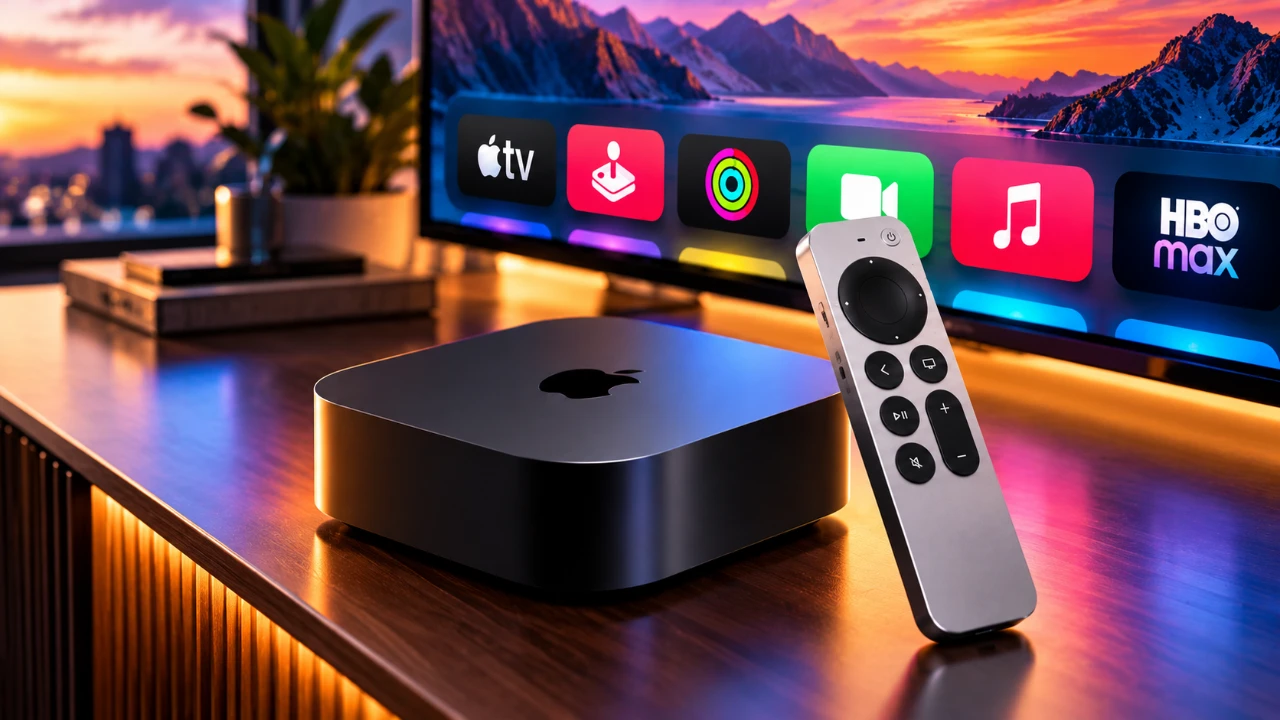
The fourth-generation Apple TV has arrived, bringing with it faster performance, enhanced connectivity, and subtle design refinements. However, with a premium price tag and limited exclusive features, it raises the question: is it worth the upgrade? Many of its improvements are also available on the third-generation model through software updates, making the decision less straightforward. Below is a detailed breakdown to help you evaluate whether the new Apple TV aligns with your needs and expectations. The video below from HotshotTek gives us more details about the new 2026 Apple TV 4K.

Design: Subtle Refinements, Familiar Look
The new Apple TV retains the minimalist aesthetic of its predecessor, with only minor design changes. The most noticeable adjustment is the repositioning of the LED indicator, now centered on the device for a cleaner, more symmetrical appearance. While this change is subtle, it aligns with Apple’s focus on sleek, understated design.
The remote control also remains largely unchanged in its physical design but introduces a built-in speaker. This addition works with Apple’s precision-finding technology, allowing users to locate the remote more easily if misplaced. While this feature is undeniably practical, it may not be a significant draw for users who rarely lose their remotes. Overall, the design updates are functional but far from fantastic, maintaining a sense of familiarity for existing Apple TV users.
Hardware: Faster, Smarter and More Capable
The fourth-generation Apple TV is powered by the A19 chipset, which delivers a 50% performance boost compared to the previous model. This upgrade ensures faster video playback, smoother multitasking and a more responsive user experience, particularly for those who frequently use resource-intensive apps or games.
Additional hardware enhancements include:
- 8GB of RAM, doubling the memory of the third-generation model for improved multitasking and app performance.
- 128GB of standard storage, up from the previous base of 64GB, providing ample space for apps, games and media.
- Wi-Fi 7 support, offering faster and more reliable wireless connectivity for seamless streaming.
- A standard Ethernet port, catering to users who prefer the stability of a wired connection for streaming.
While these upgrades enhance the device’s technical capabilities, their impact may be less noticeable for casual users who primarily use the Apple TV for basic streaming. The hardware improvements are most beneficial for power users who demand top-tier performance and storage capacity.
Features: Incremental, Not Innovative
The fourth-generation Apple TV introduces several new features, though many are incremental rather than new. One of the most notable additions is Siri AI integration, which enables smarter voice commands and enhanced functionality. However, this feature will also be available on the third-generation model through a tvOS update, reducing its exclusivity.
Other features include:
- Support for pairing with up to four HomePods, allowing immersive spatial audio for a more cinematic experience.
- Smart home hub functionality, allowing users to control HomeKit-enabled devices directly from the Apple TV.
While these features enhance the Apple TV’s versatility, they are not entirely unique to the fourth-generation model. Many of them, such as spatial audio and smart home integration, are accessible on the third-generation Apple TV through software updates. This overlap diminishes the appeal of upgrading for users who already own the previous version.
Drawbacks: High Cost, Limited Innovation
Despite its improvements, the fourth-generation Apple TV comes with some notable drawbacks that may deter potential buyers:
- The lack of HDMI pass-through, a feature commonly found in competing streaming devices, limits its versatility for users with complex home theater setups.
- The starting price of $299 is significantly higher than the third-generation model, which offers similar functionality at a much lower cost.
For many users, the higher price may not be justified, especially when considering that much of the new functionality is available on the third-generation model. Additionally, competing streaming devices from other brands offer comparable features at more affordable price points, further challenging the value proposition of Apple’s latest offering.
Is the Upgrade Worth It?
The fourth-generation Apple TV delivers notable performance improvements, increased storage and enhanced connectivity. However, it lacks compelling exclusive features to fully justify its premium price. For users upgrading from much older models or those who prioritize innovative hardware, the new Apple TV may be a worthwhile investment. Its faster performance and expanded capabilities make it a solid choice for those seeking a high-performance streaming device.
That said, for the majority of users, the third-generation Apple TV or other alternative streaming devices offer better value without sacrificing functionality. If you already own the third-generation model, the incremental upgrades of the fourth-generation version may not provide enough incentive to make the switch. Carefully consider your streaming needs and budget before deciding whether the new Apple TV is the right choice for you.
Below are more guides on Apple TV from our extensive range of articles.
- No New Apple TV 4K at the Apple Event? Here’s When It Arrives In 2026
- Apple TV 4K (2026) Leaks: Why Apple Held Back Its Living Room Upgrade Until Now
- Why the Next Apple TV 4K Upgrade is a Massive Leap for Your Living Room
- Apple TV 4K Leaks Point to the One Audio Feature Fans Have Begged For
- Apple is Rumored to Push the 2026 Apple TV 4K Price to $249
- Apple TV Leaks Just Surfaced : and Big Changes Are Coming
Source & Image Credit: HotshotTek
Disclosure: Some of our articles include affiliate links. If you buy something through one of these links, Geeky Gadgets may earn an affiliate commission. Learn about our Disclosure Policy.
