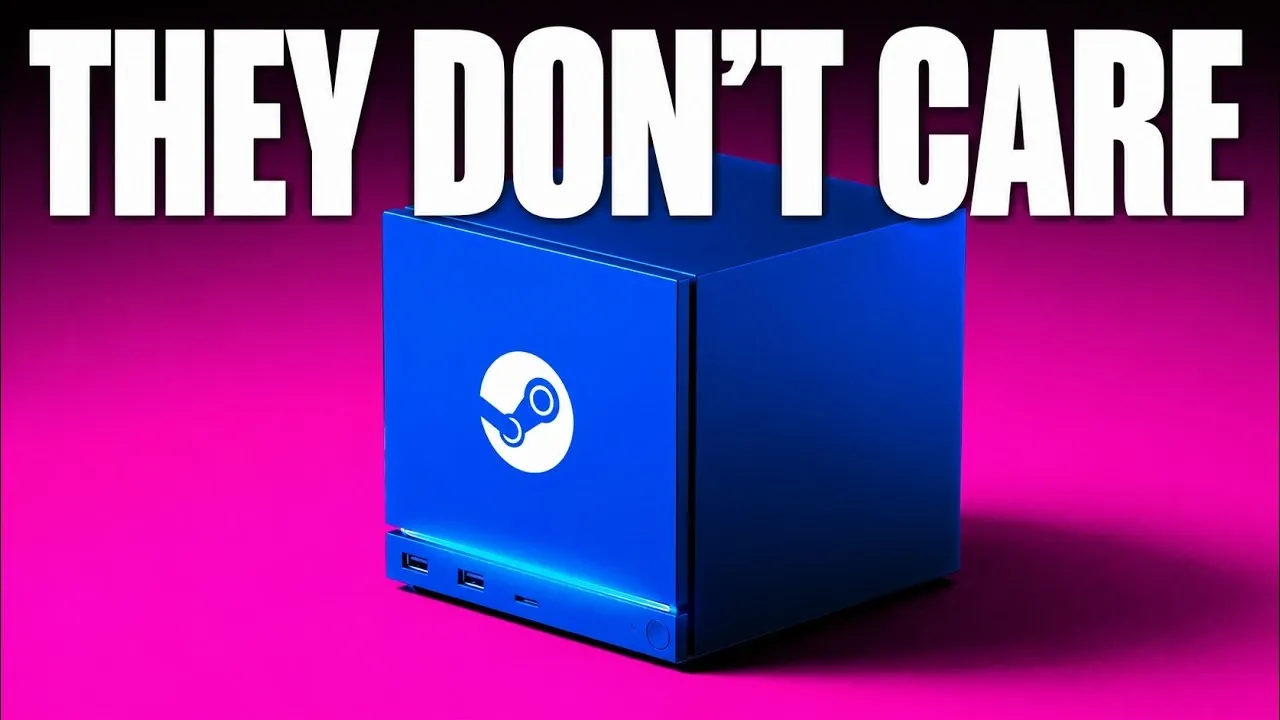
Valve’s recent trajectory in the gaming industry reflects both its adaptability and the challenges inherent in a competitive market. Deck Ready explores how the company is addressing these dynamics, focusing on key developments such as the sharp decline in Steam Deck sales, down 82% following price hikes and the discontinuation of the LCD model. Despite this setback, Valve continues to sell thousands of Steam Machines weekly, signaling steady interest in its broader hardware ecosystem. Additionally, updates to the Steam platform, including an overhauled gifting system and enhanced wish list features, highlight the company’s commitment to improving user experience amidst shifting consumer expectations.
Gain insight into how these changes shape Valve’s strategic approach and what they mean for the gaming landscape. You’ll discover how the company is using officially licensed Dbrand skins to enhance hardware customization, the implications of its focus on cross-device compatibility and the broader industry challenges impacting gaming hardware development. This overview offers a clear breakdown of the opportunities and obstacles Valve faces as it navigates a complex and evolving future.
Steam Deck Sales Face a Sharp Decline
TL;DR Key Takeaways :
- Steam Deck sales have declined by 82%, signaling the end of its lifecycle, though weekly sales of 12,000-15,000 units show continued demand for Valve’s hardware.
- Valve has enhanced the Steam platform with updates like cross-region gifting, guest checkout and improved wish list features to boost user convenience and accessibility.
- Officially licensed Dbrand skins for the Steam Machine emphasize customization and user engagement, strengthening Valve’s hardware ecosystem.
- Valve’s strategic focus on compatibility and flexibility across devices ensures its continued relevance and leadership in the gaming industry.
- Broader industry challenges, including rising hardware costs, resource shortages and AI integration expenses, are reshaping the gaming hardware market and influencing Valve’s strategies.
Valve’s Steam Deck, once celebrated as a new handheld gaming device, is now experiencing a significant decline in sales. Following price increases and the discontinuation of the LCD model, sales have dropped by a staggering 82%. Despite this downturn, Valve continues to sell between 12,000 and 15,000 Steam Machines weekly, indicating that demand for its alternative hardware offerings remains steady. However, the Steam Deck appears to be nearing the end of its lifecycle, with speculation about a successor gaining traction. This decline highlights the inherent challenges of sustaining momentum in the fiercely competitive gaming hardware market, where innovation and cost-efficiency are critical to long-term success.
Enhancements to Steam’s User Experience
Valve has introduced several updates to the Steam platform, focusing on improving convenience and accessibility for its vast user base. These updates reflect the company’s commitment to addressing user feedback and enhancing the overall experience. Key changes include:
- Overhauled Gifting System: Steam now supports cross-region gifting with automatic currency conversion, simplifying the process of sharing games internationally.
- Guest Checkout: Non-Steam users can now gift games without the need to create an account, making the platform more accessible to occasional users.
- Wish List Upgrades: Users can now create multiple wish lists, make them public and receive notifications when demos for desired games become available.
These updates not only improve usability but also demonstrate Valve’s proactive approach to maintaining its platform’s relevance in a competitive digital marketplace.

Browse through more resources below from our in-depth content covering more areas on Steam Deck.
- 15 Games That Play Surprisingly Perfectly on the Steam Deck
- Valve Confirms Steam Deck 2 Development with a 2028 Release Target
- Why Gamers Are Abandoning the Steam Deck OLED After Its Massive Price Hike
- Why Valve’s New Steam OS Update Completely Changes How You Use Your Deck
- Why Gamers Are Skipping the Steam Deck OLED for This $450 Handheld
- Why Valve’s Latest SteamOS Update Changes Everything for Your Steam Machine
- Steam Deck Alternative: Legion Go S Packs Ryzen Z2 Go for $550 on Used Market
- Valve Delays Steam Machine and Raises Steam Deck Prices
- Forza Horizon 6 on SteamOS : Steam Deck vs Z2 Go vs Z1 Extreme Tested
- Steam Deck Updates : PS3 Emulation Upgrades Gains & New Releases
Customization Gains Traction with Dbrand Skins
Customization has emerged as a key focus within Valve’s hardware ecosystem, with the recent introduction of 52 officially licensed Dbrand skins for the Steam Machine. These skins provide users with a wide array of design options, enhancing personalization and user engagement. The flat-sided design of the Steam Machine simplifies the application process, making customization more accessible to a broader audience. This launch follows earlier legal disputes over unauthorized designs, emphasizing the importance of licensing compliance in the gaming industry. By offering officially licensed customization options, Valve not only strengthens its brand but also reinforces its commitment to delivering a tailored experience for its users.
Valve’s Strategic Market Position
Despite facing challenges, Valve remains strategically well-positioned within the gaming industry. Steam’s compatibility with a wide range of devices, including PCs and Android handhelds, ensures its continued relevance in an evolving market. The Steam Deck and Steam Machine serve as reference devices, encouraging other manufacturers to adopt Steam OS and integrate it into their hardware. This strategy not only strengthens Valve’s ecosystem but also fosters innovation across the industry by promoting collaboration and standardization. By maintaining compatibility and flexibility, Valve continues to solidify its role as a cornerstone of the gaming world.
Industry-Wide Challenges Impacting Gaming Hardware
The gaming hardware market is currently grappling with several significant challenges that extend beyond Valve, reshaping the industry’s landscape. These include:
- Rising Costs: The increasing prices of consoles such as PlayStation, Xbox and Nintendo reflect broader economic pressures, making gaming hardware less affordable for many consumers.
- Resource Shortages: Supply chain disruptions, including the so-called “RAM apocalypse,” are driving up production costs and limiting the availability of key components.
- AI Integration Costs: The growing use of AI in gaming hardware is adding to development expenses, further impacting affordability and accessibility for end users.
These challenges are forcing companies to adapt their strategies, balancing innovation with cost management to remain competitive in a demanding economic environment.
Adapting to a Complex Future
Valve’s recent developments highlight its ability to adapt and evolve within a dynamic gaming ecosystem. While the sharp decline in Steam Deck sales underscores the challenges of sustaining hardware innovation, updates to Steam’s gifting and wish list systems demonstrate a clear focus on improving the user experience. The introduction of officially licensed Dbrand skins further enhances the appeal of Valve’s hardware offerings, emphasizing personalization and user engagement. However, broader industry challenges, such as rising costs and resource shortages, remain significant hurdles that require strategic navigation. By using its strong market position, fostering innovation and maintaining compatibility across devices, Valve is well-equipped to remain a key player in the future of gaming.
Media Credit: Deck Ready
Disclosure: Some of our articles include affiliate links. If you buy something through one of these links, Geeky Gadgets may earn an affiliate commission. Learn about our Disclosure Policy.
