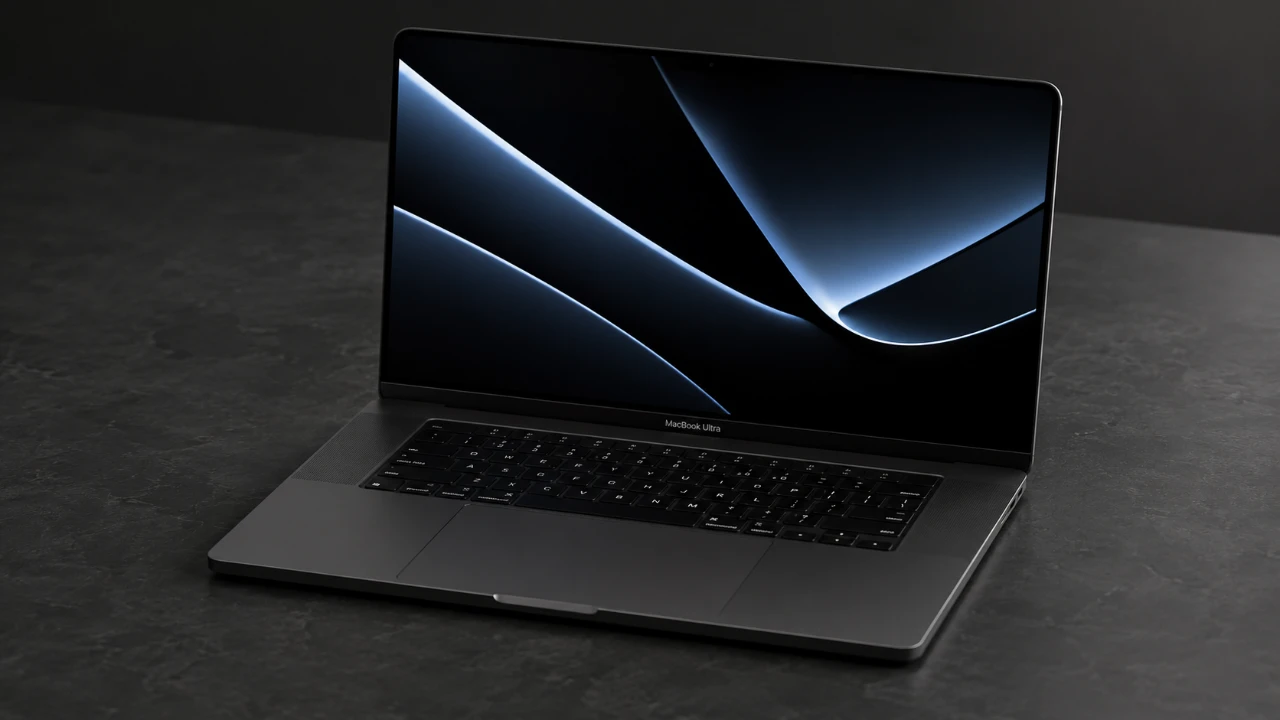
Apple’s latest Mac roadmap introduces a blend of innovations, legacy technologies, and overlapping product categories. While the lineup demonstrates Apple’s ongoing commitment to advancing technology, it also reveals a lack of cohesion that raises questions about the company’s overall strategy. For consumers, navigating this roadmap may prove more challenging than ever, as the variety of options and staggered updates create a landscape that is both exciting and perplexing. The video below from 9 to 5 Mac gives us more details.

MacBook Pro: A Confusing Evolution
The MacBook Pro lineup is expanding, but the changes may leave you uncertain about which model to choose. The entry-level M6 MacBook Pro is set to replace the current M5 version, offering only minor internal upgrades. At the same time, Apple is preparing to launch an OLED touchscreen MacBook Pro, potentially branded as the “MacBook Ultra.” Interestingly, this model will feature M5 Pro and M5 Max chips, even as the newer M6 chip becomes available.
Adding to the complexity, the OLED models will debut with a redesigned chassis, but this new design won’t fully integrate into the lineup until the M7 MacBook Pro arrives in 2027. This staggered rollout forces you to weigh whether to invest in the current generation or wait for future iterations that promise a more cohesive design and technology package. The decision becomes even more complicated when factoring in Apple’s pricing strategy, which often introduces incremental increases across models.
MacBook Air: Incremental Updates
The MacBook Air, Apple’s most popular laptop, is also undergoing updates, but these changes may feel underwhelming. While an internal spec upgrade is expected in 2027, OLED displays for the Air won’t arrive until 2028. This delay highlights Apple’s strategy of reserving premium features for its higher-end devices, leaving the Air as a more affordable but less advanced option.
If you’re looking for innovative display technology in a lightweight and budget-friendly package, you’ll need to exercise patience. For now, the MacBook Air remains a reliable choice for everyday users, but it lacks the technological advancements that are becoming standard in the Pro lineup. This approach underscores Apple’s focus on maintaining clear distinctions between its product tiers, even if it means delaying access to new features for mainstream users.
Desktop Lineup: Mixed Signals
Apple’s desktop lineup presents its own set of challenges, with overlapping chipsets and unclear distinctions between models. The M6 Mac Mini will coexist with the M5 Pro Mac Mini, creating a scenario where an older chipset offers more power than a newer one. This unusual overlap raises questions about Apple’s long-term strategy and its approach to product differentiation.
Similarly, the Mac Studio will receive updates featuring M5 Max and M5 Ultra chips, targeting high-performance users. However, the reliance on older chipsets in some models could make it difficult for professionals to determine which option best suits their needs. For you, the consumer, this lineup may feel like a puzzle, as balancing performance, features, and cost becomes increasingly complex.
MacBook Neo 2: Budget-Friendly, But Limited
On the budget end of the spectrum, Apple plans to release the MacBook Neo 2, priced at $699. This model will feature the A19 Pro chip and 12GB of RAM, offering an affordable entry point for cost-conscious buyers. While the Neo 2 provides a lower-cost alternative, its use of a non-M-series chip may limit its appeal for those seeking higher performance or compatibility with professional workflows.
The Neo 2 is clearly aimed at students, casual users, and those who prioritize affordability over advanced features. However, its limited capabilities may leave you questioning whether the lower price justifies the trade-offs in performance and future-proofing.
OLED and Touchscreen Integration: A Shift in Philosophy
One of the most notable changes in Apple’s roadmap is the introduction of OLED displays and touchscreen functionality in high-end MacBooks. These features represent a significant shift in Apple’s design philosophy, which has traditionally emphasized macOS’s keyboard-and-trackpad interface. The new touchscreen Macs are designed to integrate seamlessly with macOS, avoiding the usability pitfalls that have plagued similar features on other platforms.
However, these innovations are currently limited to premium models, leaving mainstream users without access to the latest technology. If you’re considering a MacBook with these advanced features, you’ll need to invest in the higher-end Pro models, at least for the foreseeable future. This approach reflects Apple’s strategy of gradually introducing new technologies, making sure they are refined and exclusive before trickling down to more affordable devices.
Challenges for Consumers
For you, the consumer, navigating Apple’s roadmap may feel like solving a complex puzzle. The overlapping product categories, mixed chipset generations and staggered feature rollouts make it difficult to determine which model offers the best value. Apple’s “price ladder” strategy, which introduces incremental price increases across models, further complicates purchasing decisions.
To make an informed choice, you’ll need to carefully evaluate your priorities, whether they are performance, features, or cost. The current lineup requires a deeper understanding of Apple’s product tiers and future plans, as the lack of a clear and cohesive strategy risks alienating buyers who value simplicity and clarity.
Market Dynamics and Apple’s Strategy
Apple’s roadmap reflects broader market dynamics and a deliberate strategy to balance exclusivity with accessibility. Backorders for current Mac Mini and Mac Studio models suggest that updates are imminent, but the staggered release of new features indicates a calculated approach. By introducing high-end features in premium models first, Apple maintains its premium brand image while gradually expanding access to advanced technologies over time.
This strategy allows Apple to cater to both high-end users and mainstream consumers, but it also creates challenges for those trying to navigate the lineup. For you, understanding Apple’s roadmap requires not only an awareness of current offerings but also a consideration of how these products will evolve in the coming years.
Balancing Innovation and Complexity
Apple’s new Mac roadmap highlights the company’s evolving product strategy, blending innovation with complexity. While the lineup showcases impressive advancements, such as OLED displays and touchscreen functionality, it also underscores the challenges created by overlapping categories, mixed chipsets and a convoluted pricing structure.
As Apple continues to innovate, it must address the growing complexity of its product offerings to ensure its devices remain accessible and appealing to a broad audience. For consumers, navigating this roadmap will require careful consideration and a willingness to adapt to a rapidly changing technological landscape.
Explore further guides and articles from our vast library that you may find relevant to your interests in Apple Mac roadmap.
- Apple’s Massive 2026 Roadmap: New Devices Coming After the M5 MacBook Pro
- Mac Roadmap LEAKED: M5, M6, OLED MacBooks, & 2026 Redesign Timeline
Source & Image Credit: 9to5Mac
Disclosure: Some of our articles include affiliate links. If you buy something through one of these links, Geeky Gadgets may earn an affiliate commission. Learn about our Disclosure Policy.
