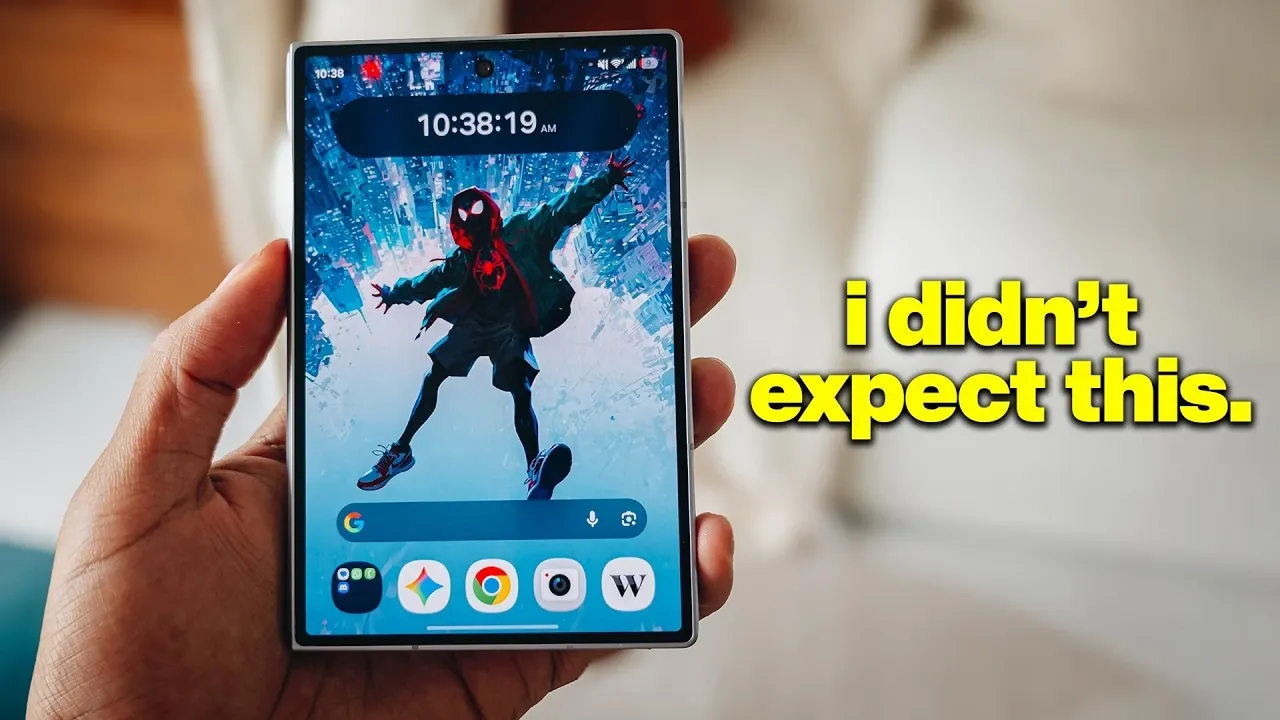
The Samsung Galaxy Z Fold 8 combines a foldable design with a focus on multitasking, offering features like split-screen and floating windows to support productivity. According to Terren Rule, the device shines when handling tasks such as managing multiple apps simultaneously, but it also presents challenges. For instance, while the foldable display enhances experiences like watching long-form videos, it encounters scaling issues with short-form media, which can detract from casual viewing.
Dive into how the Galaxy Z Fold 8 handles app optimization, from polished interactions in apps like Google Maps to inconsistencies in platforms like Twitter. Gain insight into the camera system’s flexibility, including its ability to use the main camera for selfies and evaluate the audio performance, which may not fully meet the needs of multimedia users. This analysis unpacks the device’s strengths and limitations to provide a clear understanding of its overall performance.
A Blend of Elegance and Functionality
TL;DR Key Takeaways :
- The Samsung Galaxy Z Fold 8 features an innovative foldable design, offering portability and multitasking capabilities, but introduces a learning curve and minor usability trade-offs.
- The foldable display excels in immersive content consumption and multitasking, though it struggles with scaling issues for short-form content like Instagram Reels and YouTube Shorts.
- App optimization is improving, with popular apps like Spotify and Google Maps using the foldable format, but inconsistencies remain with less-optimized apps like Twitter and Google Health.
- The camera system is versatile and high-quality, featuring dual 50MP cameras and innovative functionality like using the main camera for selfies via the cover screen.
- Audio quality and battery performance are notable weaknesses, with underwhelming sound output and average battery life that may not meet the demands of power users.
Design and Build
The foldable design is the Galaxy Z Fold 8’s most defining characteristic, offering a unique combination of portability and innovation. When folded, the device feels compact and sleek, with a lavender finish that adds a touch of sophistication. Its compact form factor makes it comfortable for casual use, whether you’re scrolling through social media or reading in bed. However, the folded device can wobble slightly on flat surfaces, which may disrupt usability during certain tasks.
The build quality is robust, with a hinge mechanism that feels sturdy and reliable. For users new to foldable devices, the form factor introduces a learning curve, requiring some adjustment to fully appreciate its potential. While the design is undeniably innovative, it’s not without minor trade-offs that could impact your initial experience.
Setup and Transition: Seamless but Stationary
Setting up the Galaxy Z Fold 8 is a straightforward process, particularly for those already integrated into the Samsung ecosystem. The Samsung Smart Switch tool simplifies data transfer, allowing you to migrate files, apps and settings from your previous device with minimal effort. Using a wired connection accelerates this process, though it temporarily limits your mobility during setup.
For users upgrading from another Samsung device, the transition is especially smooth, as the system restores your preferences and configurations almost identically. While the setup process is efficient, the reliance on a stationary connection during data transfer may feel restrictive for some users.

Enhance your knowledge on Samsung Galaxy Z Fold 8 by exploring a selection of articles and guides on the subject.
- Samsung Finally Fixed the Fold: First Look at the Z Fold 8 Wide Design
- Samsung Galaxy Z Fold 8 Surprise: The ‘Wide’ Model is Finally Real
- Samsung’s Secret ‘H8’ Revealed: Why the Galaxy Z Fold 8 Wide is a Design Masterpiece
- Samsung’s Foldable Masterpiece: Galaxy Z Fold 8 Ultra Leaks
- The Samsung Galaxy Z Fold 8 Design Shake-up: Is a Truly Invisible Crease Finally Coming in 2026?
- Samsung Galaxy Z Fold 8 Size Comparison: Wide vs Ultra Models
- Will the Samsung Galaxy Z Fold 8 Wide Fit In Your Pocket?
- Samsung’s Galaxy Z Fold 8 Ultra Is Finally the Leap We’ve Been Waiting For
- Why the Samsung Galaxy Z Fold 8 Ultra is Breaking the Internet
- Why the Galaxy Z Fold 8 Wide Makes Every Other Foldable Look Outdated
Display and Content Consumption: A Visual Treat with Caveats
The foldable display is the centerpiece of the Galaxy Z Fold 8, delivering an expansive and immersive viewing experience. It excels with 16:9 content, such as YouTube videos, minimizing black bars and enhancing visual engagement. Multitasking is where the device truly shines, offering split-screen and floating window functionality that boosts productivity. The larger screen also optimizes the YouTube interface, allowing you to interact with comments while watching videos seamlessly.
However, the display struggles with short-form content like Instagram Reels and YouTube Shorts. Scaling issues often result in black bars, detracting from the overall viewing experience. While the display is ideal for multitasking and long-form content, it’s less suited for quick, casual media consumption. This duality highlights the device’s strengths while also revealing areas where optimization could improve.
App Optimization: A Mixed Bag
Samsung has made notable progress in optimizing apps for the foldable screen, with several popular applications taking full advantage of the larger display. Apps like Spotify and Google Maps provide enhanced functionality, offering a more immersive and user-friendly experience. These optimizations showcase the potential of foldable technology to elevate app interactions.
However, not all apps are equally optimized. For instance, Twitter and Google Health offer only basic scaling, lacking features tailored to the foldable format. Additionally, customizing the home screen orientation in portrait mode remains limited, which may frustrate users seeking a more personalized layout. While the app ecosystem is improving, inconsistencies persist, leaving room for further refinement.
Camera Experience: Versatile and Impressive
The Galaxy Z Fold 8’s camera system is a standout feature, offering versatility and high-quality results. The dual 50MP wide and ultra-wide cameras capture impressive photos and videos, delivering excellent detail and color accuracy. The cover screen doubles as a retro-style viewfinder, adding a unique and practical element to the photography experience.
One of the most innovative features is the ability to use the main camera as a selfie camera via the cover screen. This functionality allows users to capture high-quality images without compromising convenience. Portrait mode is another highlight, producing natural-looking results with exceptional depth and clarity. Overall, the camera system enhances the device’s appeal, catering to both casual and creative users.
Audio: A Noticeable Weakness
Audio performance is one of the Galaxy Z Fold 8’s weaker aspects. The single speaker design feels underwhelming for a premium smartphone, delivering sound quality that falls short of expectations. The speaker’s placement can also be easily obstructed depending on how you hold the device, further diminishing the audio experience.
This limitation is particularly noticeable when watching videos or listening to music without headphones. For a device that excels in visual content, the lackluster audio performance feels like a missed opportunity to deliver a more well-rounded multimedia experience.
Battery Life: Average with Potential for Improvement
During the first 72 hours of use, the Galaxy Z Fold 8 delivers average battery performance, providing approximately 5-6 hours of screen-on time. As the device adapts to your usage patterns, battery life may improve slightly. However, the large display and multitasking capabilities can drain the battery quickly, necessitating more frequent charging compared to traditional smartphones.
While the battery life is adequate for moderate use, power users may find it limiting, particularly during heavy multitasking or extended content consumption. This aspect underscores the need for more efficient power management in future iterations of the device.
General Observations: Strengths and Limitations
The Galaxy Z Fold 8 excels in multitasking and productivity, making it an appealing choice for users who prioritize these features. The foldable display, app optimization and versatile camera system contribute to a compelling user experience. However, certain limitations, such as audio quality, software inconsistencies and the absence of flex mode, may detract from its overall appeal.
One notable omission is the lack of flex mode, which would have allowed the device to remain partially open at various angles. This feature could have added versatility, particularly for hands-free use during video calls or content consumption. Despite this, the Galaxy Z Fold 8 remains a forward-thinking device that pushes the boundaries of smartphone design.
Final Thoughts: Innovation Meets Practicality
The Samsung Galaxy Z Fold 8 is a remarkable device that blends innovation with practicality. Its foldable display, multitasking capabilities and app optimization make it a standout choice for tech enthusiasts and productivity-focused users. However, compromises in audio quality, software limitations and battery performance may deter some buyers.
After 72 hours of use, the Galaxy Z Fold 8 leaves a strong impression as a device that redefines the smartphone experience. Whether it’s the right choice for you will depend on your willingness to embrace its innovative features while navigating its trade-offs.
Media Credit: Terren Rule
Disclosure: Some of our articles include affiliate links. If you buy something through one of these links, Geeky Gadgets may earn an affiliate commission. Learn about our Disclosure Policy.
