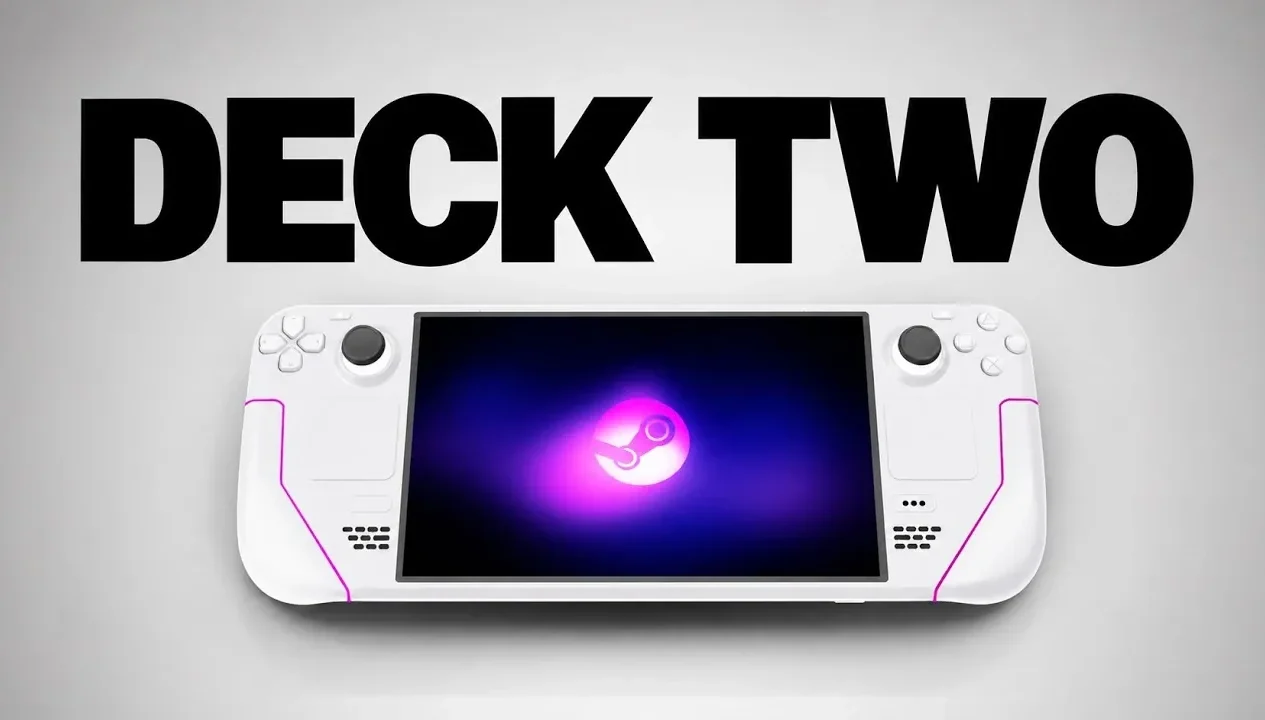
Valve has officially confirmed the development of the Steam Deck 2, a next-generation handheld gaming device designed to build on the success of its predecessor. According to Deck Ready, the new model promises enhanced performance, including smoother gameplay and improved compatibility with advanced game engines like Unreal Engine 5. While specific details about pricing remain under wraps, Valve has acknowledged the challenge of balancing affordability with rising production costs, signaling a strategic approach to making the device accessible to a wide audience.
In this guide, you’ll explore key advancements the Steam Deck 2 brings to portable gaming, from its upgraded hardware capabilities to its potential for running AAA titles on the go. You’ll also gain insight into the broader context of Valve’s strategy, including how the company is addressing consumer concerns like affordability and performance. Whether you’re a current Steam Deck owner or considering your first handheld gaming device, this breakdown will help you understand what to expect from Valve’s latest offering.
Steam Deck 2: Advancing Portable Gaming
TL;DR Key Takeaways :
- Valve has announced the development of the Steam Deck 2, a next-generation handheld gaming device and the Steam Frame, a high-performance VR headset, showcasing its commitment to advancing gaming technology.
- The Steam Deck 2 promises enhanced performance, compatibility with advanced game engines like Unreal Engine 5 and improved graphics for both AAA and indie games, while aiming to balance power and affordability.
- The Steam Frame VR headset targets VR enthusiasts with premium features, but its high price point, separate accessory costs and limited battery life may deter some buyers.
- The Steam Frame relies on a connected gaming PC for optimal performance, offering high-quality streaming but limited native gaming capabilities for resource-intensive titles.
- Valve’s focus on innovation with the Steam Deck 2 and Steam Frame highlights its ambition to lead in gaming technology, despite challenges like rising costs, intense competition and slower VR adoption rates.
The Steam Deck 2 is poised to redefine portable gaming by delivering significant improvements over its predecessor. Valve has emphasized enhanced performance, seamless compatibility with advanced game engines like Unreal Engine 5 and a commitment to providing a more immersive gaming experience. For gamers, this translates to smoother gameplay, improved graphics, and the ability to enjoy both AAA blockbusters and indie gems on the go.
Valve faces a delicate balancing act in making sure the Steam Deck 2 remains both powerful and affordable. With rising hardware costs, pricing has become a critical factor for consumers. While Valve has not yet disclosed the exact price, the company has hinted at adopting a strategic pricing model to make the device accessible to a broad audience. This approach reflects Valve’s intent to maintain its foothold in the portable gaming market while addressing the needs of budget-conscious gamers.
Steam Frame: Valve’s Foray into High-End VR
The Steam Frame VR headset represents Valve’s bold entry into the competitive VR market. Designed for VR enthusiasts, the device is available in two storage configurations:
- 256GB for $1,059
- 1TB for $1,300
Each purchase includes a free copy of Half-Life: Alyx, a critically acclaimed VR title that showcases the headset’s capabilities. This inclusion highlights Valve’s effort to provide a premium experience right out of the box. However, some design decisions have sparked debate among potential buyers. For instance, the ergonomic accessory kit, priced at $60, is sold separately despite being essential for extended use. Additionally, the absence of a charger in the box means users may need to purchase one independently, further increasing the overall cost.
Battery life, a critical consideration for VR devices, is comparable to competitors like the Meta Quest 3. However, it may still fall short for prolonged gaming sessions, requiring users to either manage their playtime carefully or invest in additional accessories to extend usage. These factors highlight the importance of weighing the device’s premium features against its practical limitations.

Here is a selection of other guides from our extensive library of content you may find of interest on Steam Deck.
- Android Handhelds Become Viable Budget Steam Deck Alternatives
- Heroic Game Launcher Enables Xbox Game Pass Titles on SteamOS
- Valve Sees 82% Drop in Steam Deck Sales Amid Price Hikes
- Steam Deck Alternative: Legion Go S Packs Ryzen Z2 Go for $550 on Used Market
- Steam Deck Updates : PS3 Emulation Upgrades Gains & New Releases
- ROG Ally Offers a $599 Alternative to the Steam Deck OLED
- Install Lossless Scaling 2.0 on Steam Deck via Decky Loader
- Decky Nexus Plugin Brings Nexus Mods Store to Steam Deck
- Valve Brings Steam Deck Style Verification to Steam Machine Games Consoles
- Asobi Remote Play Brings PlayStation 5 Streaming to Steam Deck
Performance and Practical Considerations
The Steam Frame is designed as a streaming-first VR device, relying on the processing power of a connected gaming PC to deliver optimal performance. This approach enables high-quality gameplay without the need for a standalone VR console, making it an appealing option for gamers with powerful PCs. However, its native gaming capabilities are limited, particularly for resource-intensive modern titles, which may restrict its appeal to certain users.
Battery optimization remains a challenge for the Steam Frame. While its performance is on par with other high-end VR headsets, the limited battery life may constrain extended gaming sessions. For users, this means planning gaming time carefully or investing in accessories like external battery packs to enhance usability. These considerations are crucial for those seeking a seamless and uninterrupted VR experience.
Challenges in a Competitive VR Landscape
Valve’s entry into the VR market comes at a time when the industry is facing significant challenges. The Steam Frame’s high price point, especially when compared to competitors like the Meta Quest 3, which starts at $600, may deter budget-conscious consumers. Additionally, the VR market remains a niche segment, with slower adoption rates and declining developer support posing hurdles to widespread growth.
Unlike some competitors, Valve has chosen not to subsidize hardware costs, which could impact the Steam Frame’s adoption rate. For potential buyers, this means carefully evaluating whether the device’s premium features justify its higher price tag. The decision to invest in the Steam Frame will likely depend on individual gaming preferences, budget constraints and the perceived value of its advanced capabilities.
Valve’s Vision for the Future of Gaming
Despite the challenges, Valve remains committed to innovation and delivering innovative gaming experiences. The Steam Deck 2 and Steam Frame reflect the company’s ambition to meet the evolving demands of gamers while using the extensive capabilities of the Steam platform. By focusing on compatibility with advanced technologies like Unreal Engine 5 and offering hardware designed for immersive gameplay, Valve aims to solidify its position as a leader in the gaming industry.
For gamers, these developments open the door to exciting possibilities. The Steam Deck 2 offers the promise of portable, high-performance gaming, while the Steam Frame provides an opportunity to explore the immersive potential of VR. However, the high costs and practical limitations of these devices highlight the importance of careful consideration before making a purchase. Whether you’re drawn to the portability of the Steam Deck 2 or the innovative features of the Steam Frame, Valve’s latest offerings represent a bold step forward in the ever-evolving world of gaming technology.
Media Credit: Deck Ready
Disclosure: Some of our articles include affiliate links. If you buy something through one of these links, Geeky Gadgets may earn an affiliate commission. Learn about our Disclosure Policy.
