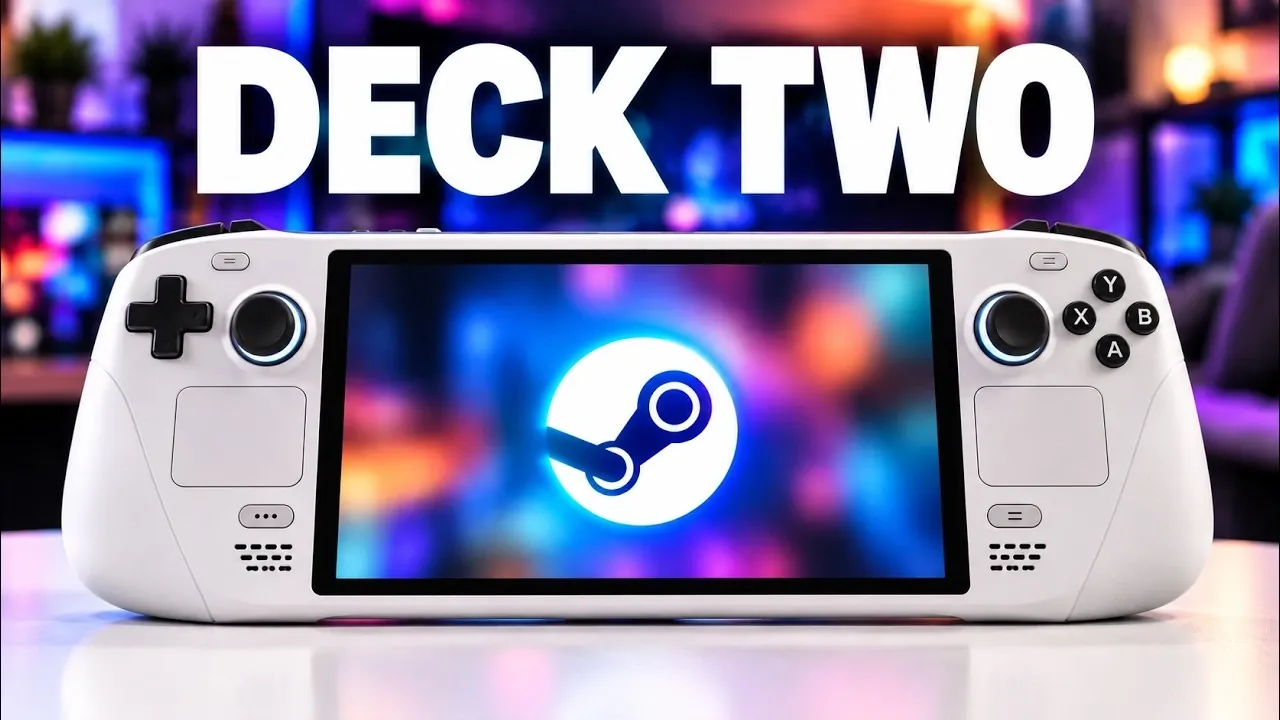
Valve’s upcoming Steam Deck 2 could represent a significant leap forward in handheld gaming, according to insights shared by Deck Ready. At the heart of this revelation is the rumored “Gainesboro” chip, which is expected to deliver a combination of enhanced performance and improved energy efficiency, addressing key concerns from the original Steam Deck. This hardware upgrade, alongside features like an edge-to-edge OLED display and refined controls, positions the device as a strong contender in an increasingly competitive market. With companies like Sony and Nintendo also advancing their handheld offerings, the Steam Deck 2’s ability to balance power, portability and affordability will be crucial.
Explore how the Steam Deck 2 could reshape portable gaming with its rumored upgrades. Gain insight into the potential benefits of the OLED display for sharper visuals, the anticipated improvements in battery life for extended play sessions and the enhanced docking system for greater versatility. This breakdown highlights what these changes mean for gamers and how Valve’s approach could influence the next generation of handheld devices.
Steam Deck 2 Performance
TL;DR Key Takeaways :
- The Steam Deck 2 is rumored to feature the “Gainesboro” chip, offering improved performance and energy efficiency, addressing key gamer concerns like processing power and battery life.
- An edge-to-edge OLED display is expected, delivering sharper visuals, better color accuracy and higher resolutions, enhancing the immersive gaming experience.
- Valve is focusing on practical upgrades, including refined controls, enhanced durability and a more robust docking system to improve usability for all types of gamers.
- Competition in the handheld gaming market is intensifying, with Sony, Xbox and Nintendo developing next-gen devices, each using unique strategies and hardware advancements.
- Challenges such as rising production costs, balancing portability with performance and making sure game optimization remain critical hurdles for the success of next-gen handhelds like the Steam Deck 2.
Valve’s focus on innovation and user-centric upgrades could position the Steam Deck 2 as a standout contender in this competitive landscape. With the potential to redefine how gamers experience portable entertainment, the Steam Deck 2 is generating significant buzz among enthusiasts and industry observers alike.
The Steam Deck 2 is expected to build upon the foundation of its predecessor with a range of significant hardware and software enhancements. At the core of these improvements is the rumored “Gainesboro” chip, which is designed to deliver a balance of high performance and energy efficiency. This chip is expected to rival Sony’s “Canis” and AMD’s Z3/Z3 Extreme chips, both of which are being developed for next-generation handheld devices. By focusing on these critical aspects, Valve aims to address two of the most important factors for gamers: processing power and battery life.
Another key feature is the anticipated edge-to-edge OLED display, which is rumored to offer sharper visuals, improved color accuracy and higher resolutions, potentially exceeding 1200p. This upgrade aligns with the growing demand for immersive, high-resolution gaming experiences. Additionally, Valve is reportedly refining the device’s controls, enhancing its durability and introducing a more robust docking system to improve usability for both casual and hardcore gamers.
These upgrades suggest that Valve is not only addressing the shortcomings of the original Steam Deck but also aiming to set a new benchmark for handheld gaming devices. By focusing on practical improvements and user experience, the Steam Deck 2 could appeal to a wide range of gamers.
Trends Shaping the Handheld Gaming Market
The handheld gaming market is undergoing rapid evolution, driven by advancements in technology and shifting consumer preferences. Major players like Sony, Xbox and Nintendo are all vying for dominance in this space, each bringing unique strengths and strategies to the table.
– Sony is reportedly developing a PS6-compatible handheld powered by the “Canis” chip, which aims to integrate seamlessly with its next-generation console ecosystem.
– Xbox is exploring its first-party handheld options, potentially using its Project Helix initiative to create a unified gaming experience across devices.
– Nintendo continues to lead the market with its Switch series and the rumored Switch 2 is expected to build on this success with upgraded hardware and a loyal fan base.
AMD’s Z3 and Z3 Extreme chips are also playing a pivotal role in shaping the future of handheld gaming. These chips are designed to deliver desktop-level performance in compact devices, making them a popular choice for manufacturers. As competition intensifies, companies are targeting specific gaming audiences, whether they prefer PC gaming, console experiences, or portable entertainment.
This dynamic environment underscores the importance of innovation and differentiation. To succeed, manufacturers must not only deliver innovative hardware but also cater to the diverse needs and preferences of modern gamers.

Here are more detailed guides and articles that you may find helpful on Steam Deck.
- Valve Confirms Steam Deck 2 with Unreal Engine 5 Support
- Steam Deck 2 Could Feature AMD Gainsboro Chip with Zen 6 and RDNA 5
- Android Handhelds Become Viable Budget Steam Deck Alternatives
- Heroic Game Launcher Enables Xbox Game Pass Titles on SteamOS
- Leaked Steam Deck 2 Focuses on Massive Performance Upgrades: AMD Zen 6 CPU
- Valve Sees 82% Drop in Steam Deck Sales Amid Price Hikes
- Steam Deck Alternative: Legion Go S Packs Ryzen Z2 Go for $550 on Used Market
- Install Lossless Scaling 2.0 on Steam Deck via Decky Loader
- Decky Nexus Plugin Brings Nexus Mods Store to Steam Deck
- Valve Brings Steam Deck Style Verification to Steam Machine Games Consoles
Key Expectations for the Steam Deck 2
For the Steam Deck 2 to capture the attention of its target audience, it must address several critical areas of improvement. Gamers are looking for a device that offers:
- Higher resolution displays for sharper visuals and more immersive gameplay.
- Extended battery life to support longer gaming sessions without frequent recharging.
- Seamless compatibility with current-generation titles, making sure a smooth gaming experience.
- Support for external GPUs, allowing enhanced performance when docked for desktop-like gaming.
Affordability is another key consideration. While advanced hardware often comes with a higher price tag, Valve must strike a balance to ensure the Steam Deck 2 remains accessible to a broad audience. Additionally, maintaining compatibility with existing PC gaming libraries and optimizing games for handheld performance will be crucial to its success.
By addressing these expectations, Valve has the opportunity to solidify the Steam Deck 2’s position as a leading choice for gamers seeking a versatile and powerful handheld device.
Challenges in the Next-Gen Handheld Market
Despite the excitement surrounding next-generation handhelds, manufacturers face several challenges that could impact their success. One of the most significant hurdles is rising production costs, which make it difficult to keep devices affordable while meeting the demand for more powerful hardware. Balancing performance, portability and price will be a critical challenge for Valve and its competitors.
Another challenge is the tension between compact design and the modern preference for larger screens and higher performance. Gamers want devices that are portable yet capable of delivering a premium gaming experience, which requires careful design and engineering.
Competition is also a major factor. With Sony, Xbox and Nintendo all investing heavily in their handheld offerings, Valve must differentiate the Steam Deck 2 by delivering a superior user experience. This includes addressing the limitations of the original Steam Deck, such as its bulkiness and occasional performance bottlenecks, while introducing features that resonate with gamers.
The Role of Game Optimization
The success of any handheld gaming device ultimately depends on how well it handles games. Developers play a crucial role in this process, as they must ensure their titles run smoothly on smaller screens without compromising visual quality or gameplay mechanics. Optimized games, such as Xbox’s “Gears Eday,” demonstrate the importance of tailoring experiences to the unique capabilities of handheld platforms.
With its rumored hardware upgrades, the Steam Deck 2 is well-positioned to deliver a seamless gaming experience. However, this will require collaboration between Valve and game developers to prioritize optimization and ensure consistent performance across a range of settings.
A Bright Future for Handheld Gaming
The Steam Deck 2 and its competitors are poised to reshape the handheld gaming landscape. By focusing on user-centric features such as high-resolution displays, refined controls and enhanced durability, these devices aim to meet the diverse needs of modern gamers. However, their success will depend on how well manufacturers address challenges such as affordability, game optimization and market competition.
Valve’s rumored “Gainesboro” chip and anticipated feature set position the Steam Deck 2 as a potential leader in this space. While it remains to be seen whether it can outpace its rivals, one thing is clear: the handheld gaming market is entering an exciting new era, with the potential to redefine how gamers experience portable entertainment.
Media Credit: Deck Ready
Disclosure: Some of our articles include affiliate links. If you buy something through one of these links, Geeky Gadgets may earn an affiliate commission. Learn about our Disclosure Policy.
