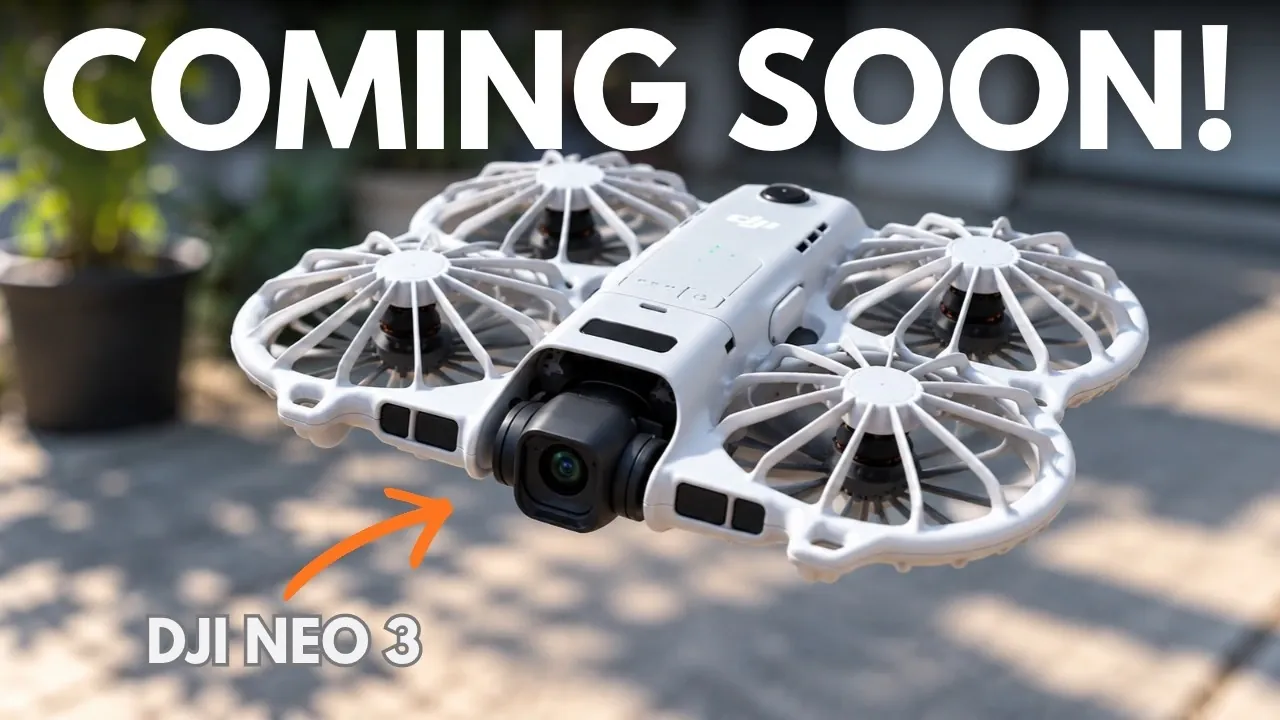
Pre-launch units of the DJI Neo 3 drone have been spotted in real-world testing, providing an early look at its design and capabilities. In footage shared by Tech Court, the Neo 3 showcases features like a 1.1-inch CMOS sensor for improved image quality and omnidirectional obstacle detection for safer navigation. These sightings, reportedly from Indonesia, suggest the drone is undergoing final testing phases, likely involving content creators and reviewers under embargo. With a lightweight build of approximately 192 grams, the Neo 3 appears designed to meet both regulatory requirements and the needs of diverse users, from hobbyists to professionals.
Explore the Neo 3’s true vertical 4K recording capabilities, tailored for social media content and its redesigned body that enhances heat dissipation for longer flights. Gain insight into the RC Mini Controller, a compact accessory with built-in display and tactile controls, which complements the drone’s functionality. This update also provide more insights into the Neo 3’s pusher propeller configuration, which improves flight stability and its relocated USB-C port for easier access. These refinements highlight DJI’s focus on balancing performance with usability, offering a glimpse into what users can expect from the upcoming release.
First Glimpse of the Neo 3 in Action
TL;DR Key Takeaways :
- The DJI Neo 3 drone has been spotted in real-world testing, showcasing its advanced features like a larger camera sensor, omnidirectional obstacle detection and a streamlined design.
- Key features include a 1.1-inch CMOS sensor for improved image quality, true vertical 4K recording optimized for social media and a redesigned body for better heat dissipation.
- Design updates include a relocated USB-C port for easier access, a new button or wheel component for expanded functionality and a pusher propeller configuration for enhanced flight stability.
- The Neo 3 is paired with the RC Mini Controller, a compact device with a built-in display and tactile controls, designed for portability and compatibility with other DJI drones.
- Weighing approximately 192 grams and offering a 10 km transmission range, the Neo 3 is positioned as a versatile tool for both casual and professional users, with global launch preparations underway.
The Neo 3 has been seen in outdoor flight tests, showcasing its updated design and compact form factor. The footage indicates that pre-release units are being actively tested, likely by reviewers, content creators, or distributors under strict embargo agreements. The drone’s lightweight build and advanced features suggest a significant evolution from its predecessor, positioning it as a versatile tool for both professional and recreational users. These early tests provide valuable insights into its potential performance and usability, hinting at a product designed to meet the needs of a diverse audience.
Key Features of the Neo 3
The DJI Neo 3 introduces a range of advanced technologies aimed at enhancing both performance and user experience. Its standout features include:
- 1.1-inch CMOS sensor: This larger sensor improves image quality, offering sharper visuals and better dynamic range for both photos and videos.
- Omnidirectional obstacle detection: Equipped with forward-facing lidar sensors, the Neo 3 ensures precise navigation and enhanced safety during flights.
- True vertical 4K recording: Capable of capturing 4K video at 30fps, this feature is optimized for social media content creation, catering to modern content trends.
- Redesigned body: The updated design includes improved heat dissipation, making sure stable performance even during extended flight sessions.
These features make the Neo 3 an appealing option for a wide range of users, from casual hobbyists to professional content creators, emphasizing portability without sacrificing functionality.

Deep dive into the latest in DJI Neo 3 by exploring our other resources and articles.
- Rumoured DJI Neo 3 Drone Targets a September 2026 Launch
- Leaked DJI Neo 3 May Feature a 1/1.1-Inch Square Sensor
- Leaked DJI Neo 3 May Feature a 1/1.3-Inch Sensor Upgrade
- DJI Neo 3 Leak Reveals a Likely Upward Obstacle Detection Sensor
- Leaked DJI Neo 3 May Integrate Transceiver vs Neo 2 Module
- Unidentified Upward Sensor Clouds the DJI Neo 3 Box Leak
- Leaked DJI Neo 3 Shows a 192.7G Build vs 151G DJI Neo 2
- DJI Neo 3 vs DJI Neo 2: the 11-Minute Battery Flaw Explained
- DJI Neo 3 Could Extend the Neo 2’S 19-Minute Flight Time
- New FCC Rules May Block the DJI Neo 3 from a US Release
Refined Design for Enhanced Usability
The Neo 3 incorporates several thoughtful design updates aimed at improving user convenience and operational efficiency. Key refinements include:
- Relocated USB-C port: The charging and data transfer port has been repositioned to the side, making it more accessible and user-friendly.
- New button or wheel component: While its exact purpose remains unclear, this addition hints at expanded functionality or improved control options.
- Pusher propeller configuration: This aerodynamic design enhances flight stability and efficiency, contributing to smoother operation in various conditions.
These updates reflect DJI’s focus on creating a drone that balances advanced performance with ease of use, making sure it appeals to both seasoned pilots and newcomers.
Introducing the RC Mini Controller
The Neo 3 is paired with the RC Mini Controller, a compact and portable device designed to enhance flight precision. This controller features a built-in display and tactile physical controls, offering an intuitive user experience. Its lightweight design makes it easy to carry, while its compatibility with other DJI drones adds versatility for users who own multiple devices. The RC Mini Controller exemplifies DJI’s approach to creating accessories that complement and extend the functionality of its drones.
Specifications at a Glance
The Neo 3’s specifications highlight its balance between portability and performance, making it suitable for a variety of applications. Key details include:
- Weight: Approximately 192 grams, keeping it under the 250g regulatory limit. This ensures easier compliance with drone laws in regions with strict regulations.
- Transmission range: Up to 10 km under optimal conditions, providing reliable connectivity for extended flights and remote operations.
These specifications position the Neo 3 as a versatile tool for users ranging from casual videographers to professional filmmakers, offering both convenience and capability.
Global Launch Preparations
The footage from Indonesia suggests that DJI is conducting international testing as part of its pre-launch strategy. The involvement of reviewers and content creators under embargo indicates that the company is gathering critical feedback to fine-tune the product before its official release. This approach aligns with DJI’s history of thorough pre-launch evaluations, making sure that the final product meets the high standards expected by its user base. The global testing efforts also hint at an imminent launch, with distribution likely to follow shortly after.
Unanswered Questions
Despite the promising features of the Neo 3, several details remain unclear, leaving room for speculation. Key questions include:
- Battery life: How long can the Neo 3 sustain real-world flights under varying conditions and how does it compare to its predecessor?
- Performance in diverse environments: How effective are its tracking, obstacle avoidance and camera capabilities in challenging scenarios such as low light or high wind?
These unanswered questions highlight the importance of further testing and detailed reviews to fully understand the Neo 3’s potential and limitations.
Anticipation for the DJI Neo 3
The DJI Neo 3 represents a significant step forward in drone technology, combining portability, advanced sensing capabilities and superior imaging performance. Its sightings in real-world scenarios suggest that the product is nearing its official release, with global distribution likely on the horizon.
While some details remain to be confirmed, the Neo 3’s innovative features and thoughtful design updates make it a compelling choice for both enthusiasts and professionals seeking a lightweight, high-performance drone. As the launch date approaches, anticipation continues to build for what could be one of DJI’s most versatile and user-friendly drones to date.
Media Credit: Tech Court
Disclosure: Some of our articles include affiliate links. If you buy something through one of these links, Geeky Gadgets may earn an affiliate commission. Learn about our Disclosure Policy.
