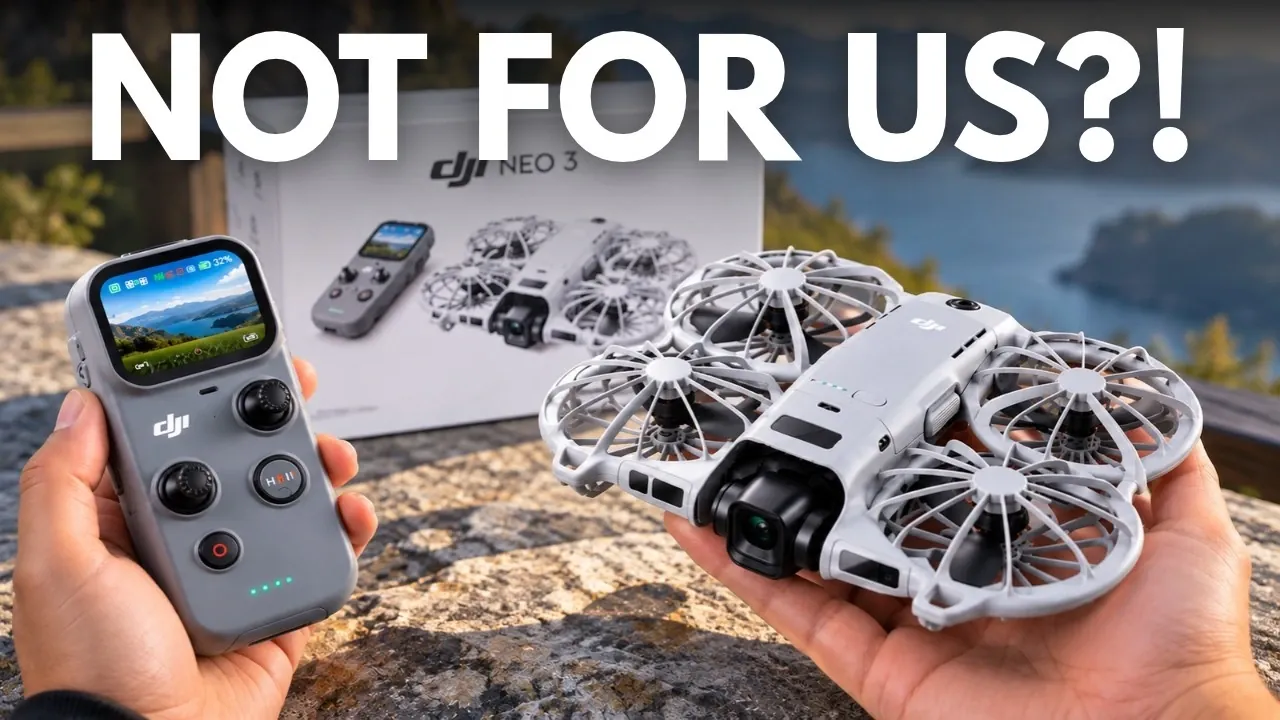
The DJI Neo 3, a compact drone with rumored advanced features like a 1.1-inch square camera sensor and omnidirectional obstacle sensing, may never reach the US market due to new Federal Communications Commission (FCC) regulations. These rules, introduced in December 2025, target foreign-manufactured drones over national security concerns and have created significant barriers for models like the Neo 3. While the RC Mini controller designed for the Neo 3 received FCC approval prior to the regulatory changes, the drone itself remains unapproved, leaving its future in the US uncertain. Tech Court explores how these developments could impact both potential buyers and the broader drone market.
Dive into this breakdown to understand how the Neo 3’s rumored features, such as true vertical shooting and high-speed active tracking, stack up against the current Neo 2 model. You’ll also gain insight into the practical trade-offs of sticking with the Neo 2, including its reliable performance but limited battery life. Whether you’re weighing your next purchase or simply following the evolving drone landscape, this announcement provides a clear look at the challenges and opportunities shaping the compact drone category.
Regulatory Challenges and Their Impact
TL;DR Key Takeaways :
- The DJI Neo 3 faces potential exclusion from the US market due to new FCC regulations targeting foreign-manufactured drones, raising national security concerns.
- Despite the RC Mini controller receiving FCC approval, the Neo 3 drone itself lacks authorization, making its US release uncertain.
- Leaked features of the Neo 3 include a 1.1-inch square camera sensor, true vertical shooting, 2x lossless zoom, high-speed active tracking and omnidirectional obstacle sensing.
- The DJI Neo 2 remains a reliable alternative for US buyers, offering proven performance but lacking the advanced features rumored for the Neo 3.
- The regulatory challenges surrounding the Neo 3 could drive increased competition and innovation in the compact drone market, benefiting consumers in the long term.
In December 2025, the FCC introduced stricter regulations aimed at addressing national security concerns related to foreign-manufactured drones, particularly those linked to specific countries. These measures, while intended to safeguard sensitive information, have inadvertently created barriers for new drone models like the DJI Neo 3.
Although the RC Mini controller, designed specifically for the Neo 3, received FCC approval before the regulatory changes took effect, this authorization does not extend to the drone itself. Without FCC clearance, the Neo 3 cannot legally be sold or operated in the US. This leaves the drone’s future in the American market uncertain, forcing potential buyers to weigh their options carefully.
Features That Set the Neo 3 Apart
Leaked specifications suggest the DJI Neo 3 could redefine the compact drone category with a range of advanced features designed to appeal to both casual users and professionals. These rumored features include:
- A 1.1-inch square camera sensor, offering improved image quality and enhanced performance in low-light conditions.
- True vertical shooting, ideal for creating content tailored to social media platforms.
- 2x lossless zoom, allowing detailed shots without compromising image quality.
- High-speed active tracking, perfect for capturing dynamic subjects such as cyclists, runners, or wildlife.
- Omnidirectional obstacle sensing, making sure safer navigation in complex environments.
- Selfie Shot 2.0, an upgraded feature for effortless personal photography and vlogging.
- A compact RC Mini controller, designed for portability and ease of use.
These features position the Neo 3 as a versatile and action-oriented drone, catering to users who prioritize portability, advanced imaging capabilities and autonomous functionality. However, without FCC approval, these innovations may remain out of reach for US consumers.

Here are additional guides from our expansive article library that you may find useful on DJI Neo drones.
- Rumoured DJI Neo 3 Drone Targets a September 2026 Launch
- Leaked DJI Neo 3 May Feature a 1/1.3-Inch Sensor Upgrade
- DJI Neo 3 Leak Reveals a Likely Upward Obstacle Detection Sensor
- Leaked DJI Neo 3 May Integrate Transceiver vs Neo 2 Module
- Leaked DJI Neo 3 May Feature a 1/1.1-Inch Square Sensor
- Unidentified Upward Sensor Clouds the DJI Neo 3 Box Leak
- Leaked DJI Neo 3 Shows a 192.7G Build vs 151G DJI Neo 2
- DJI Neo 3 vs DJI Neo 2: the 11-Minute Battery Flaw Explained
- DJI Neo 3 Could Extend the Neo 2’S 19-Minute Flight Time
- DJI RC Mini Features a Retractable USB-C Smartphone Mount
Neo 2: A Reliable Alternative for US Buyers
For American buyers, the DJI Neo 2 remains a strong alternative in the absence of the Neo 3. While it lacks some of the advanced features rumored for its successor, the Neo 2 is still a capable and portable drone that excels in various scenarios. Its reliable tracking and user-friendly design make it a popular choice for outdoor enthusiasts, such as hikers and cyclists.
However, the Neo 2 does have its limitations. Its battery life, with practical flight times averaging around 10–11 minutes, is a notable drawback. While third-party battery solutions can extend this duration, they may void warranties or introduce compatibility issues. Despite these shortcomings, the Neo 2 remains a dependable option for those seeking a compact drone with proven performance.
Implications for the Drone Market
The uncertainty surrounding the Neo 3’s US release has broader implications for the drone market. If the Neo 3 fails to secure FCC authorization, competitors may seize the opportunity to fill the gap with similar compact and autonomous drones. This could lead to increased innovation and competition within the segment, ultimately benefiting consumers by driving advancements in technology and design.
Outside the US, potential buyers are advised to wait for official specifications, pricing and real-world testing before making a purchase decision. The Neo 3’s rumored features suggest it could be a fantastic option in the compact drone category, but its actual performance and value will only become clear once it is officially launched and reviewed.
The Growing Appeal of Compact Drones
The Neo series highlights the growing demand for action-oriented, autonomous drones that prioritize portability and ease of use. These drones are particularly appealing to modern consumers engaged in outdoor activities or social media content creation. Features such as advanced tracking, vertical shooting and compact designs align with the needs of this demographic, making the segment one of the most dynamic areas of the drone market.
Despite the regulatory hurdles facing the Neo 3, the broader trend toward compact and versatile drones is expected to continue. Manufacturers like DJI are likely to keep innovating, introducing new features and capabilities that cater to the evolving demands of consumers.
Key Considerations for US Buyers
For US buyers, the Neo 3’s future remains uncertain. While there is a possibility of regulatory exemptions or changes, there is no guarantee that the drone will receive FCC authorization. Current Neo 2 owners are advised to hold onto their drones rather than selling them prematurely, as the Neo 3’s availability in the US is far from assured.
For those considering a new purchase, the Neo 2 remains a reliable option that balances portability, functionality and ease of use. While it may lack some of the advanced features rumored for the Neo 3, it is a proven performer that continues to meet the needs of many drone enthusiasts.
Looking Ahead
The DJI Neo 3 promises to bring significant advancements to the compact drone market, but its potential absence from the US highlights the challenges posed by evolving regulatory landscapes. For buyers, the decision ultimately comes down to weighing the Neo 2’s proven reliability against the Neo 3’s uncertain future. Staying informed and monitoring developments will be essential as the situation unfolds, making sure that consumers can make the best choice for their needs and preferences.
Media Credit: Tech Court
Disclosure: Some of our articles include affiliate links. If you buy something through one of these links, Geeky Gadgets may earn an affiliate commission. Learn about our Disclosure Policy.
