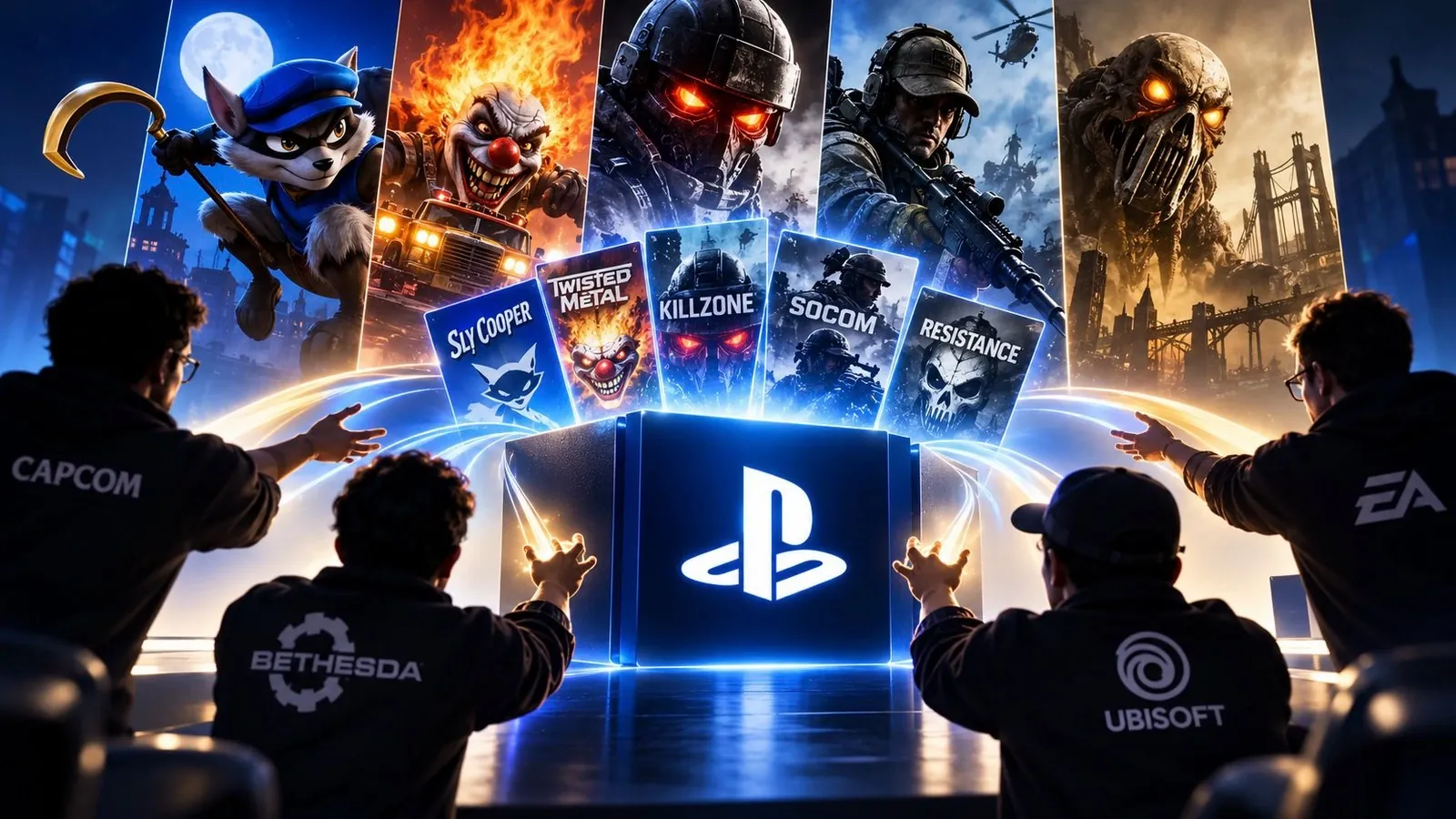
Sony’s PlayStation 5 era has been marked by impressive hardware sales but growing dissatisfaction among its player base. As highlighted by RGT 85, much of this frustration stems from Sony’s heavy reliance on games-as-a-service (GaaS) titles like Marathon and Concord, which have struggled to capture the same widespread appeal as the company’s earlier single-player, narrative-driven hits. Compounding the issue is Sony’s neglect of beloved franchises such as Sly Cooper and Twisted Metal, leaving fans questioning the brand’s direction. Recent reports, however, suggest that Sony may be reconsidering its approach by exploring the licensing of dormant intellectual properties (IPs) to third-party developers, signaling a potential shift toward addressing these concerns.
In this breakdown, you’ll explore how this rumored strategy could impact Sony’s gaming portfolio and what it might mean for fans of classic franchises. Learn how outsourcing development could revive series like Resistance or SOCOM while reducing internal costs for Sony. Additionally, gain insight into the challenges of balancing GaaS projects with a renewed focus on nostalgia-driven content. Whether you’re a long-time PlayStation fan or a curious observer, understanding these developments offers a clearer picture of where the PlayStation brand might be headed.
What Went Wrong with the PlayStation 5 Era?
TL;DR Key Takeaways :
- Sony’s focus on games-as-a-service (GaaS) titles has faced criticism for neglecting the single-player, story-driven experiences that once defined its brand.
- Beloved classic franchises like Killzone, Ape Escape, Sly Cooper, and Twisted Metal have been left dormant, frustrating nostalgic fans.
- Rumors suggest Sony may license dormant intellectual properties (IPs) to third-party developers, potentially reviving classic franchises like SOCOM and Resistance.
- Sony’s shift toward digital-only games by 2028 has raised concerns about game preservation, accessibility and consumer trust, especially amid recurring security issues.
- Reviving classic IPs through third-party collaborations could diversify Sony’s offerings, balance its portfolio and reestablish its reputation for delivering high-quality, varied gaming experiences.
As a PlayStation 5 owner, you’ve likely noticed the platform’s increasing emphasis on GaaS titles, such as Marathon and Concord. These games aim to provide ongoing engagement through live-service mechanics, but they have struggled to resonate with a broad audience. Many players miss the single-player, story-driven experiences that once defined Sony’s first-party lineup. The limited number of high-profile exclusives during the PlayStation 5’s lifecycle has only deepened this frustration, with some titles underperforming both critically and commercially.
Adding to this discontent is Sony’s apparent neglect of its classic franchises. Iconic series like Killzone, Ape Escape, Sly Cooper, and Twisted Metal have been left dormant, despite their potential to attract both nostalgic fans and new players. Compounding these issues is Sony’s plan to shift toward digital-only games by 2028, which has raised concerns about game preservation and accessibility. These concerns are further amplified by recurring security breaches on the PlayStation Network, undermining consumer confidence in the platform’s reliability.
Is a Course Correction on the Horizon?
In response to mounting criticism, Sony appears to be considering a new strategy: licensing its dormant IPs to third-party developers. According to industry insiders, the company is now open to pitches for reviving classic franchises. This approach could pave the way for the return of fan-favorite series like SOCOM, Resistance, and Sly Cooper. By outsourcing development, Sony could reduce its internal costs while still delivering fresh takes on these beloved games.
This strategy has proven successful in the past. For example, Konami’s decision to outsource its Silent Hill projects led to a renewed interest in the franchise. If Sony adopts a similar approach, it could not only diversify its offerings but also reestablish its reputation for delivering high-quality, varied gaming experiences. For players like you, this could mean the return of cherished classics alongside innovative new titles, creating a more balanced and engaging gaming ecosystem.

Find more information on PlayStation 5 by browsing our extensive range of articles, guides and tutorials.
- More Details on the Sony PS5 Pro Console (Video)
- Sony Ends Physical PlayStation Discs Starting in January 2028
- AI Memory Demand Could Push PlayStation 6 Handheld Over $600
- PlayStation May Phase Out All Physical Game Discs By 2028
- $100 Steam Machine : How to Turn a Server Blade Into a Gaming Powerhouse
- New PlayStation DualSense wireless controller colors arrive next month in Asia
- Seagate Game Drive External SSD for PlayStation Officially Licensed
- PlayStation 5 teardown by iFixit
- Steam Deck Gains 4K 60Fps PS5 Remote Play via the Asobi App
- Sony Ending Physical Discs in 2028 Sparks PS5 Blackout Protest
Balancing Challenges and Opportunities
Reviving dormant franchises is an exciting prospect, but it comes with its own set of challenges. As a player, you likely expect these games to uphold the high standards set by their predecessors. Making sure quality while managing outsourced development will require Sony to maintain strict oversight and collaboration with third-party studios. Additionally, balancing the GaaS model with a renewed focus on smaller-budget, nostalgia-driven titles will be crucial for creating a well-rounded gaming portfolio.
The potential rewards, however, are substantial. Reviving classic IPs could satisfy long-time fans while introducing these franchises to a new generation of players. This strategy aligns with broader industry trends, where nostalgia-driven content has proven to be a powerful tool for engagement. Nintendo, for instance, has successfully leveraged its legacy franchises by creating smaller, accessible games that appeal to both casual and dedicated audiences. Sony could adopt a similar approach, blending nostalgia with innovation to attract a wider demographic and strengthen its market position.
What This Means for the Gaming Industry
Sony’s rumored pivot comes at a pivotal moment for the gaming industry. As market trends evolve and consumer expectations shift, companies must adapt to remain competitive. Comparisons to Nintendo highlight the importance of offering a diverse range of games, from blockbuster titles to smaller, experimental projects. Meanwhile, the success of outsourced projects like Silent Hill demonstrates the viability of this model for revitalizing dormant franchises.
Looking ahead, Sony’s actions during the remainder of the PlayStation 5 lifecycle could have a lasting impact on the future of the PlayStation brand. By addressing current criticisms and embracing a more balanced strategy, the company has an opportunity to rebuild trust and strengthen its position in the gaming industry. For you, this could mean a richer and more varied gaming experience, one that honors PlayStation’s legacy while adapting to the demands of a rapidly changing industry.
The Road Ahead
Sony’s handling of the PlayStation 5 generation has been met with mixed reactions, but the company’s rumored plans to revive classic franchises through third-party licensing offer a potential turning point. By addressing consumer demand for variety and nostalgia-driven content, Sony could reestablish itself as a leader in the gaming industry. Whether this strategy will succeed remains uncertain, but one thing is clear: the PlayStation brand must evolve to stay relevant. For players like you, this evolution could mark the beginning of an exciting new chapter in PlayStation’s history, blending the best of its past with the possibilities of its future.
Media Credit: RGT 85
Disclosure: Some of our articles include affiliate links. If you buy something through one of these links, Geeky Gadgets may earn an affiliate commission. Learn about our Disclosure Policy.
