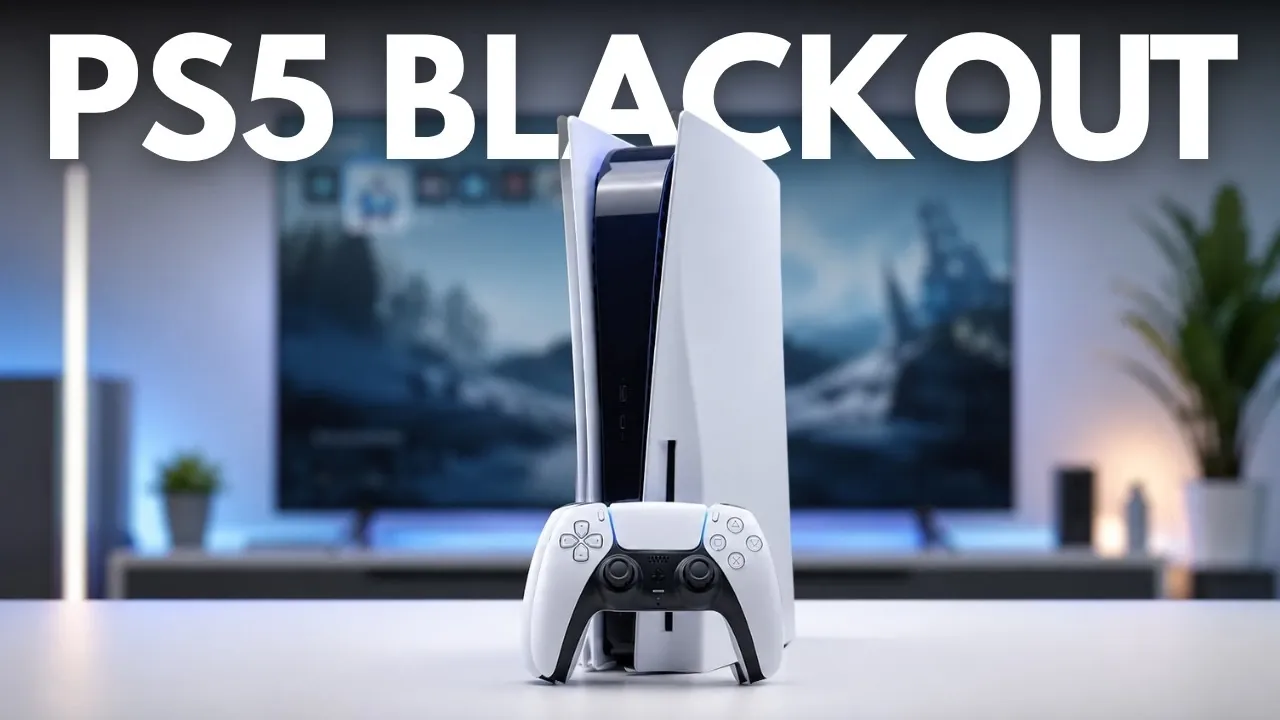
Sony’s recent announcement to phase out physical game discs by 2028 has sparked significant backlash within the PlayStation community. In response, gamers have organized the “PS Blackout,” a week-long protest running from August 23 to August 30, 2026, during which participants are powering down their PS5s and avoiding purchases on Sony’s platform. As Tech Court explains, this movement reflects growing concerns about the shift to a digital-only gaming ecosystem, with players voicing fears over the potential loss of ownership rights and the limitations of centralized digital access.
Through this breakdown, you’ll gain insight into the motivations driving the PS Blackout, including the specific advantages physical media offers that digital platforms cannot replicate. Explore how the protest highlights broader industry trends, such as the trade-offs between convenience and control and understand the potential long-term implications for game ownership and accessibility. This guide also examines the divided community response, offering a closer look at the challenges of uniting players around a shared cause.
What is the PS Blackout?
TL;DR Key Takeaways :
- Sony announced plans to phase out physical game discs by 2028, transitioning entirely to digital distribution for future PlayStation games.
- The gaming community has organized the “PS Blackout,” a week-long protest from August 23-30, 2026, encouraging players to power down their PS5s and halt spending on Sony’s platform.
- Concerns over the shift to digital include loss of ownership rights, inability to resell or lend games and potential issues with long-term access to purchased content.
- The move to digital raises accessibility challenges for players with limited internet connectivity or data caps, potentially excluding some from the PlayStation ecosystem.
- The PS Blackout highlights a growing divide within the gaming community, with some supporting the protest to preserve physical media and others embracing the convenience of digital gaming.
The announcement has ignited debates about the future of gaming, with many questioning whether the convenience of digital distribution outweighs the benefits of physical media. The PS Blackout serves as a collective effort to voice these concerns and challenge the direction Sony is taking.
The PS Blackout is a grassroots initiative designed to express dissatisfaction with Sony’s decision to eliminate physical game discs. By encouraging players to disengage from the PlayStation ecosystem for an entire week, the protest aims to send a clear and unified message: many gamers are unhappy with the move toward a digital-only future.
Supporters of the PS Blackout believe that collective action could influence Sony’s decisions, demonstrating the strength of consumer sentiment. However, skeptics argue that the protest may lack the scale or financial impact necessary to alter a corporate strategy that appears firmly set. Regardless of its ultimate outcome, the PS Blackout highlights a growing divide within the gaming community over the future of game ownership and access.
This initiative also reflects broader concerns about the gaming industry’s shift toward digital platforms. While some players appreciate the convenience of digital downloads, others worry about the potential loss of control and flexibility that comes with abandoning physical media.
What Sony Announced and Why It Matters
Sony’s decision to transition entirely to digital distribution represents a significant shift for the PlayStation brand. Starting in January 2028, new PlayStation games will no longer be available on physical discs. While existing physical games will remain playable, all future releases will be exclusive to digital platforms.
This move aligns with broader industry trends that prioritize digital convenience, such as faster downloads, reduced production costs and streamlined distribution. However, it also raises critical questions about consumer rights, long-term access to purchased content and the implications of centralized control over game libraries.
For many players, physical game discs represent more than just a format, they symbolize ownership, permanence and freedom. The transition to digital-only gaming challenges these notions, as players will no longer have the ability to resell, lend, or borrow games. Additionally, concerns about server reliability and licensing agreements have fueled fears that digital purchases may not offer the same longevity as physical media.

Learn more about PS5 with other articles and guides we have written below.
- Why Valve’s New Steam Machine Could Outperform the PS5 in Your Living Room
- Biggest Game Reveals from PlayStation’s 2026 State of Play
- Asobi Remote Play Brings PlayStation 5 Streaming to Steam Deck
- More Details on the Sony PS5 Pro Console (Video)
- Leaked PS5 dev console prototype design renderings
- Sony’s June 2026 PS5 State of Play Has PlayStation Fans Divided
- Steam Deck Gains 4K 60Fps PS5 Remote Play via the Asobi App
- PS5 Hack from Old Disc Sparks Homebrew Hype : Star Wars Racer Disc Exploit
- AMD 4700S 8-Core processor desktop PC kit based on PlayStation 5 SoC
- PS6: The TRUTH About Sony’s PlayStation 6 [First Details Revealed]
Why Gamers Are Concerned
The elimination of physical game discs has sparked intense debate about consumer choice and ownership. Physical media offers several distinct advantages that digital distribution cannot fully replicate:
- Reselling games to recoup costs or trade for new titles
- Lending or borrowing games among friends and family
- Purchasing used copies at lower prices
- Building a tangible collection of games
These benefits provide flexibility and affordability, particularly for players who value the ability to control their gaming experiences. In contrast, digital-only distribution centralizes control under Sony, limiting alternatives. For instance, if a game is removed from Sony’s servers or if licensing agreements expire, players could lose access to titles they’ve already purchased. This lack of permanence has left many gamers questioning the long-term viability of a digital-only ecosystem.
Additionally, the shift to digital raises concerns about accessibility for players with limited internet connectivity or data caps. Downloading large game files can be challenging in regions with slower internet speeds, potentially excluding some players from fully participating in the PlayStation ecosystem.
How the Community is Reacting
The PlayStation community’s response to Sony’s announcement has been deeply divided. Many gamers have rallied behind the PS Blackout, viewing it as an opportunity to voice their concerns and advocate for change. Social media platforms and online forums have become hubs for organizing and discussing the protest, with participants sharing their reasons for supporting the movement.
However, not all players are convinced of the protest’s effectiveness. Critics argue that Sony’s decision to phase out physical media is likely irreversible, given the broader industry trends favoring digital distribution. They also point out that a significant portion of the gaming community has already embraced digital purchases, citing convenience, faster access and the elimination of physical storage needs as key benefits.
This divide within the community highlights the challenges of uniting a diverse player base around a single cause. While some players see the PS Blackout as a necessary stand against corporate decisions, others view it as an impractical effort unlikely to yield tangible results.
What This Means for the Gaming Industry
Sony’s decision to phase out physical media is part of a larger trend within the gaming industry. As digital distribution becomes the norm, gaming platforms are prioritizing convenience and efficiency over traditional ownership models. This shift has significant implications for the future of gaming hardware. For example, the removal of disc drives in future PlayStation consoles could signal a complete departure from physical media, fundamentally altering how players interact with their games.
The move also raises broader questions about the balance between accessibility and ownership. While digital platforms offer undeniable advantages, such as instant downloads and reduced production costs, they also centralize control in the hands of corporations. This centralization could limit consumer choice and create new challenges related to data security, server reliability and long-term access to purchased content.
As the industry continues to evolve, the debate over physical versus digital media is likely to intensify. The outcome of this debate will shape the next generation of gaming platforms and influence how players engage with their favorite titles.
The Future of Gaming Ownership
The PS Blackout may not immediately alter Sony’s plans, but it reflects a growing unease about the direction of the gaming industry. The transition to digital distribution challenges traditional notions of ownership, forcing players to reconsider what it means to “own” a game in a digital-only world.
As Sony prepares for its next generation of consoles, potentially launching with the PlayStation 2028, the question remains: will gamers fully embrace a digital future, or will the loss of physical media create lasting divisions within the community? The answer could define the future of gaming for years to come, shaping not only how games are distributed but also how players perceive their role in the evolving gaming landscape.
Media Credit: Tech Court
Disclosure: Some of our articles include affiliate links. If you buy something through one of these links, Geeky Gadgets may earn an affiliate commission. Learn about our Disclosure Policy.
