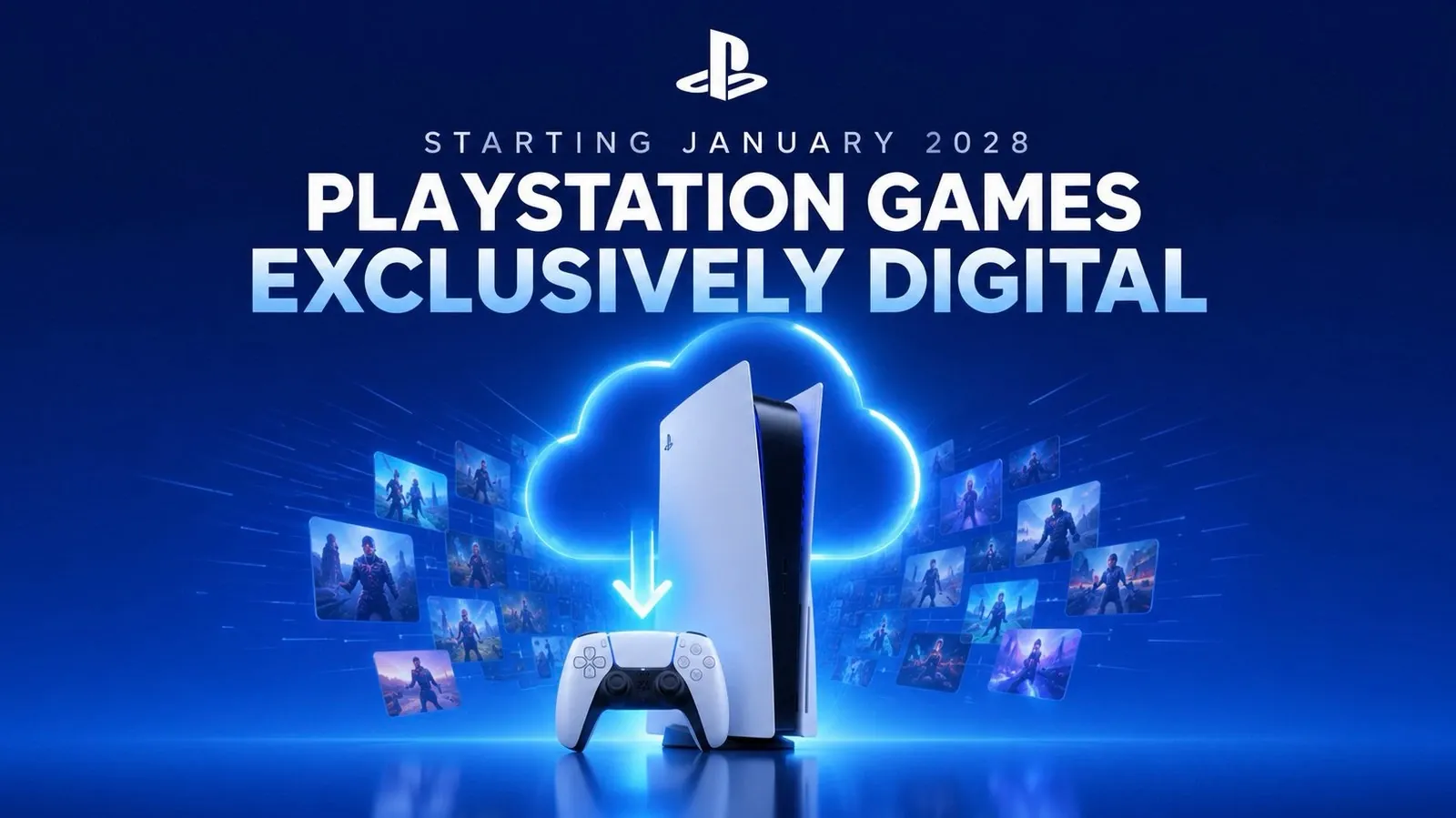
Sony’s recent announcement marks a major shift in the gaming landscape: starting January 2028, all new PlayStation game releases will be exclusively digital. This decision, as highlighted by RGT 85, signals the end of physical game discs for future titles, a move that has sparked significant discussion among players and industry analysts alike. While Sony cites the growing preference for digital distribution and its operational advantages, this transition raises critical concerns about the loss of tangible ownership, the preservation of gaming history and the potential limitations on consumer choice. For many, physical discs have long been a cornerstone of gaming culture, offering both flexibility and a sense of permanence that digital formats may struggle to replicate.
Explore how this shift could reshape the gaming experience, from the implications for game collectors to the challenges of preserving digital-only titles. Gain insight into the broader industry trends that may influence competitors like Microsoft and Nintendo and consider how this decision could impact your own gaming habits. Whether you’re navigating the trade-offs of digital convenience or reflecting on the legacy of physical media, this feature examines the key takeaways from Sony’s bold move and its potential ripple effects across the gaming world.
Why Physical Game Discs Are Being Phased Out
TL;DR Key Takeaways :
- Sony will transition to digital-only releases for all new PlayStation games starting January 2028, ending the production of physical game discs for new titles.
- This shift raises concerns about consumer rights, including the loss of purchasing options, ownership and accessibility tied to physical media.
- Gamers and industry analysts worry about the preservation of gaming history, as digital-only models may jeopardize access to culturally significant titles over time.
- Sony cites benefits such as reduced production costs, instant access and alignment with modern consumer habits as reasons for the move, expressing confidence in the digital-first strategy.
- The decision could influence competitors like Microsoft and Nintendo, while also creating opportunities for companies that continue to support physical media, potentially reshaping the gaming industry landscape.
Beginning in 2028, Sony will cease producing physical discs for newly released PlayStation games. However, discs for titles launched before this date will remain playable on existing consoles. This marks a significant departure from a long-standing tradition in gaming. For decades, physical media has been a cornerstone of gaming culture, offering players the satisfaction of owning tangible copies of their favorite titles. Whether it’s the joy of building a collection or the reassurance of permanent ownership, physical discs have held a special place in the hearts of many gamers.
Sony’s decision reflects a broader industry trend toward digital distribution. Digital games provide instant access, eliminate the need for physical production and align with modern consumer habits. However, this transition is not without its challenges. Many gamers value the flexibility, reliability and sense of ownership that physical media provides. The shift to a digital-only model represents a trade-off that will impact how players interact with and preserve their gaming experiences.
Key Concerns for Gamers
The move to digital-only releases has sparked a range of concerns among gamers, particularly regarding consumer rights, accessibility and the preservation of gaming history. These concerns highlight the complexities of this transition:
- Loss of Purchasing Options: Physical discs have traditionally allowed players to buy, sell and trade games freely. With digital-only releases, gamers are tied to online storefronts, where publishers control pricing and discounts may be less frequent. This shift could limit consumer flexibility and bargaining power.
- Ownership and Accessibility: A physical disc provides a permanent copy of a game that can be played indefinitely, as long as the hardware is functional. In contrast, digital games are tied to user accounts and rely on the availability of online platforms. If a game is delisted or a service shuts down, access to purchased content could be jeopardized.
- Preservation of Gaming History: Physical media has played a vital role in preserving gaming history. A digital-only future raises concerns about how games will be archived and accessed by future generations, potentially leading to the loss of culturally significant titles.
These issues underscore the tension between the convenience of digital distribution and the autonomy provided by physical ownership. For many gamers, the shift to digital raises questions about the long-term implications for their gaming libraries and the industry as a whole.

Explore further guides and articles from our vast library that you may find relevant to your interests in PlayStation.
- When Will the PlayStation 6 Actually Launch? Why a 2028 Release Date is Now Expected
- Why the Latest PlayStation 6 Leaks Are Shocking the Gaming Industry
- PlayStation 6 and Xbox Project Helix Arrive in 2027 From $800
- Why Valve’s New Steam Machine Could Outperform the PS5 in Your Living Room
- Modders Discovered a Secret Timer Inside Every PS5 Console
- PlayStation 6 Expected to Hit $1,500 Amid Ongoing Chip Shortages
- PlayStation’s Bungie Acquisition: How the Deal Turned Against Sony
- Why Xbox is Breaking Records While PlayStation Faces Pricing Backlash
- PlayStation Reveals Why They Are Ending Physical Game Discs
- How Security Flaws and Price Hikes Are Testing PlayStation Loyalty
Sony’s Perspective: Confidence in a Digital Future
Despite the concerns raised by gamers, Sony remains optimistic about this transition. Lin Tao, Sony’s Chief Financial Officer, has expressed confidence that the move to digital-only releases will not negatively impact the company’s performance. According to Tao, the gaming industry is already moving toward a digital-first model and Sony believes that consumers will adapt to this new standard over time.
From Sony’s perspective, the benefits of digital distribution are clear. Digital storefronts offer instant access to games, reduce production and distribution costs and streamline operations. These advantages align with evolving consumer habits, making the shift a financially sound strategy for the company. Sony’s confidence suggests that it views this decision as a natural progression in the gaming industry’s evolution.
Industry-Wide Implications
Sony’s decision to phase out physical game discs is likely to have far-reaching implications for the gaming industry. Competitors such as Microsoft’s Xbox and Nintendo may feel pressure to adopt similar strategies, particularly if Sony’s digital-only model proves successful. However, this shift also creates opportunities for differentiation. Companies that continue to support physical media could attract gamers who feel alienated by Sony’s decision, potentially carving out a niche market.
For collectors and players who prefer physical media, the future remains uncertain. Will retro gaming and older consoles experience a resurgence as players seek alternatives? Could third-party companies step in to produce physical copies of games? These questions will play a crucial role in shaping the industry’s trajectory in the coming years. The transition to digital-only gaming may also influence how developers and publishers approach game design, distribution and marketing strategies.
What This Means for You
As a gamer, Sony’s announcement may prompt you to reevaluate your preferences and purchasing habits. The shift to digital-only releases presents both challenges and opportunities, depending on your priorities. Here are some steps you might consider:
- Evaluate Your Priorities: Consider whether you value the convenience of digital games or the permanence of physical ownership. Your preferences may influence your future investments in gaming platforms and titles.
- Voice Your Opinion: Industry experts often emphasize the importance of consumer feedback. If you disagree with Sony’s decision, your purchasing choices can send a message to the company and the broader industry.
- Explore Alternatives: If physical media is important to you, consider supporting platforms or companies that continue to offer it. This might include retro gaming, exploring other consoles, or seeking out third-party solutions.
Your response to this shift will depend on your gaming habits, values and vision for the future of gaming. Whether you embrace digital distribution or seek alternatives, your choices will contribute to shaping the industry’s direction.
A Pivotal Moment for Gaming
Sony’s decision to phase out physical game discs for new releases represents a defining moment for the gaming industry. While the move aligns with the growing trend toward digital distribution, it also highlights the ongoing debate between convenience and consumer choice. The implications of this shift will continue to unfold in the coming years, influencing how games are created, distributed and preserved.
As the gaming industry moves toward an increasingly digital future, the balance between innovation and tradition will remain a central theme. Whether this transition enhances or limits the gaming experience will depend on how companies, players and the industry as a whole navigate this new era. For now, the end of physical game discs marks the beginning of a new chapter in gaming history.
Media Credit: RGT 85
Disclosure: Some of our articles include affiliate links. If you buy something through one of these links, Geeky Gadgets may earn an affiliate commission. Learn about our Disclosure Policy.
