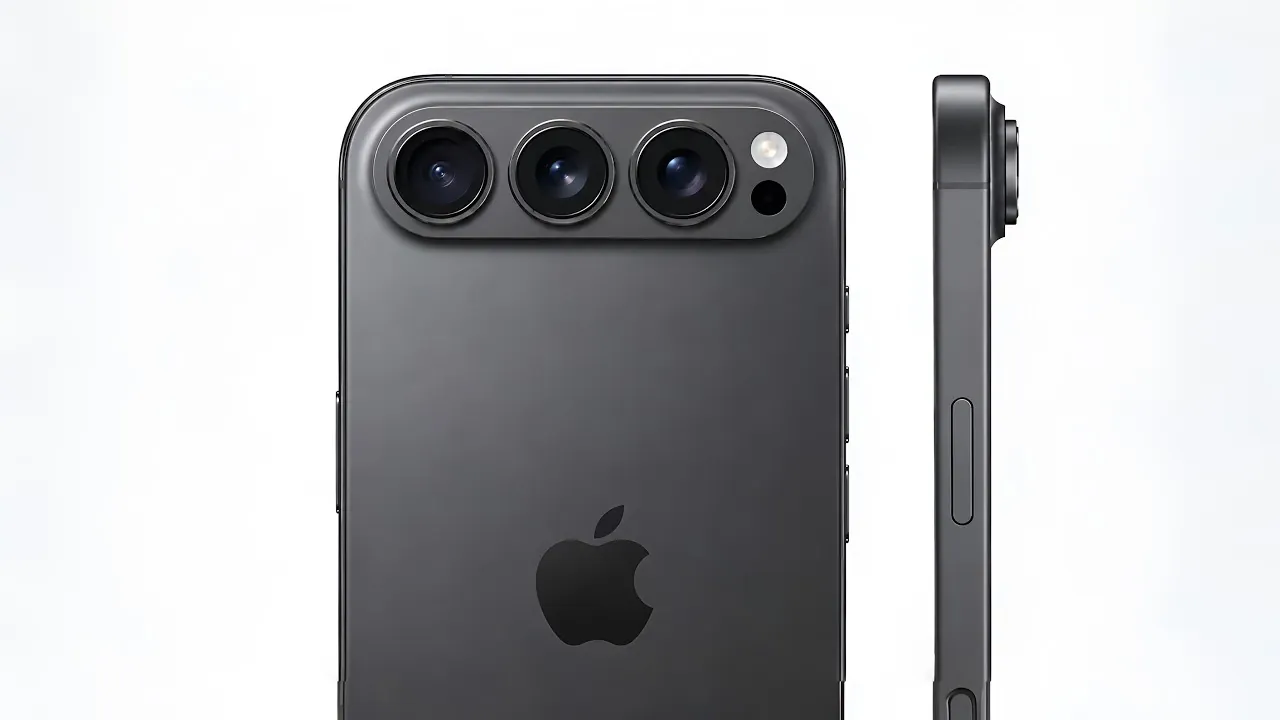
Apple has not announced an iPhone 20 Pro or confirmed any camera sensor changes for late 2027, yet fresh supply-chain chatter suggests Apple is looking beyond raw megapixel counts toward silicon-level imaging upgrades. According to Weibo tipster Ice Universe, the rumored 20th-anniversary flagship could pair a new main camera sensor with a 17-nanometer logic process—adding another layer to earlier reports around three-layer stacked sensors and LOFIC dynamic range technology. The video below from Demon’s Tech breaks down the latest reports.
TL;DR Key Takeaways :
- 17nm Sensor Logic Circuitry: Rumors point to a 17-nanometer manufacturing process for the main camera sensor’s logic/signal-processing layer to boost speed and power efficiency.
- Three-Layer Stacked & LOFIC Chatter: Separate supply-chain reports have linked Apple to three-layer stacked sensor development and LOFIC wide-dynamic-range tech, though links between those rumors remain unconfirmed.
- Readout & Thermal Benefits: Faster logic circuitry can help speed up sensor readout, multi-frame capture, and high-frame-rate or HDR video while cutting heat and power draw.
- Samsung Austin & 17nm LPV Context: Industry reporting notes Samsung’s 17nm Low Power Value (17LPV) image-sensor logic process and Apple-Samsung sensor work in Austin, Texas, though official specs are still unannounced.
17-Nanometer Logic Process: Speed and Efficiency Under the Hood
Rather than focusing on headline megapixel numbers, the latest leak around the rumored iPhone 20 Pro centers on the 17-nanometer logic process driving the main camera sensor’s readout and signal-processing circuitry. Shrinking the logic layer that converts and transfers pixel data lets the sensor move information faster without forcing the physical light-capturing area itself to grow.
In practical camera terms, a more capable sensor logic layer can support several behind-the-scenes improvements:
- Lower power consumption: More efficient logic circuitry reduces electrical draw during extended photo sessions, burst shooting, and video recording.
- Faster pixel readout: Quicker data transfer helps limit rolling-shutter distortion on moving subjects and speeds up multi-frame merging.
- Cleaner thermal behavior: Lower circuit overhead helps keep temperatures in check during demanding capture modes.
While a faster logic layer alone does not guarantee larger light-gathering pixels, it gives Apple’s image signal processor and computational pipeline higher-speed data throughput to work with.
| Camera / Sensor Area | What Current Rumors Say | Status / Caveat |
|---|---|---|
| Main Sensor Logic Layer | 17nm manufacturing process for faster readout & efficiency | Rumored by Ice Universe; unconfirmed by Apple |
| Stacked Architecture | Three-layer stacked sensor design separating capture & processing | Earlier supply-chain reports; direct link to 17nm unconfirmed |
| Dynamic Range Tech | LOFIC (Lateral Overflow Integration Capacitor) sensor rumored | Separate rumor; would target highlights and shadows |
| Lens & Aperture | Builds on variable aperture introduced on iPhone 18 Pro | Early speculation ahead of late-2027 rollout |
Three-Layer Stacked Sensors and LOFIC Dynamic Range
Alongside the 17nm logic rumor, earlier reporting has pointed toward a three-layer stacked sensor design for next-generation camera hardware. Unlike conventional two-layer stacked sensors, a three-layer architecture separates light-collecting photodiodes from dedicated signal-processing and memory/logic layers to reduce electrical interference and boost bandwidth.
Separate leaks have also linked Apple’s 2027 camera roadmap to LOFIC (Lateral Overflow Integration Capacitor) technology, which helps individual pixels hold more charge across high-contrast scenes to preserve detail in bright highlights and dark shadows simultaneously. Industry watchers note that while three-layer stacking, LOFIC, and 17nm logic all point toward higher dynamic range and faster processing, no report has confirmed they belong to the exact same sensor assembly.

Variable Aperture and Real-World Shooting Scenarios
Apple introduced mechanical variable aperture on the iPhone 18 Pro lineup, and rumors suggest future Pro models—including a potential iPhone 20 Pro—could pair physical light control with faster sensor readout. Adjusting lens opening size helps balance exposure across shifting light levels:
- Bright daylight scenes: Stopping down the aperture helps prevent blown-out highlights while keeping shutter speeds natural.
- Low-light & indoor shooting: A wider aperture paired with low-noise readout helps preserve shadow detail and reduce motion blur.
- Depth & video capture: More natural optical depth control and lower power draw can benefit both stills and sustained video recording.
Samsung Foundry Context and Unconfirmed Details
Supply-chain coverage has frequently connected Apple and Samsung around next-generation image sensor manufacturing—including collaboration tied to Samsung’s Austin, Texas facility and earlier three-layer stacked sensor reports. Separately, industry data has noted Samsung’s work on a 17nm Low Power Value (17LPV) process aimed at CMOS image sensor signal-processing circuitry, though Apple has not confirmed its sensor supplier, layer count, or final hardware design.
Because a 20th-anniversary iPhone is still roughly ten months away from a typical September 2027 debut, prototype specifications and manufacturing plans remain fluid. If these sensor-level upgrades do reach production, their biggest impact will be faster readout, cleaner HDR, and better efficiency rather than a simple megapixel bump.
Deep dive into the latest on the iPhone 20 by exploring our other resources and articles.
- iPhone 20 Leaks: 8 Major Upgrades Planned for Apple’s 20Th Anniversary
- Planning to Buy an iPhone 18? Huge iPhone 20 Leaks Might Change Your Mind
- iPhone 20 Pro Max Leaks: Should You Skip the iPhone 18 Pro?
- iPhone 20 Pro Leaks Reveal Apple’s Most Radical Display Upgrade Ever
- Should You Skip the iPhone 18 Pro? Why the iPhone 20 is Worth the Wait
- Early iPhone 20 Leaks May Overshadow the iPhone 18 Pro Max
Source & Image Credit: Demon’s Tech
Disclosure: Some of our articles include affiliate links. If you buy something through one of these links, Geeky Gadgets may earn an affiliate commission. Learn about our Disclosure Policy.
