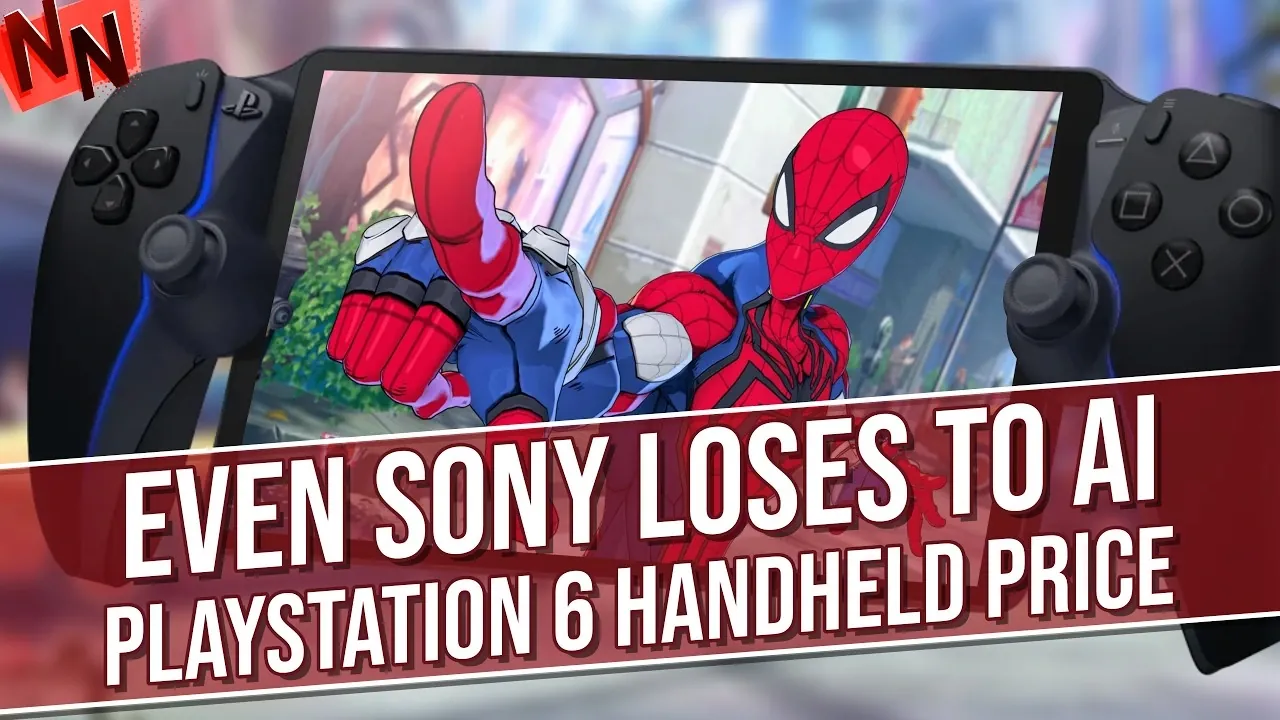
The PlayStation 6 handheld represents a significant challenge for Sony as they navigate the intersection of pricing, performance and market demand. According to NerdNest, one major factor influencing the device’s cost is the rising price of LPDDR memory, a critical component not only for gaming but also for AI-driven technologies. This increased demand has led to higher production expenses, raising questions about whether Sony will prioritize affordability to compete with devices like the Steam Deck or set a premium price point that could exceed $600.
Discover how rising hardware costs are shaping Sony’s pricing strategy for the PlayStation 6 handheld. Gain insight into the balance between affordability and profitability, examine the influence of competing devices like the Xbox Series S and explore the challenges of delivering a standalone handheld experience that complements the PlayStation 6 console.
Rising Costs and Pricing Challenges
TL;DR Key Takeaways :
- The PlayStation 6 handheld faces challenges due to rising production costs, particularly for critical components like LPDDR memory, which is in high demand for AI data centers.
- Sony must carefully balance pricing to attract budget-conscious gamers while covering production costs, with potential prices exceeding $600 creating competition concerns against devices like the Steam Deck and Xbox Series S.
- Consumer expectations for performance and affordability are high and the handheld must stand as a compelling, independent device rather than being perceived as a secondary accessory to the PlayStation 6 console.
- Rising hardware costs and industry trends highlight the importance of optimization, with examples like Nintendo and Baldur’s Gate 3 showcasing how thoughtful design can deliver quality experiences on less powerful hardware.
- The shift toward digital-only ecosystems emphasizes the need for robust hardware capable of seamless performance, balancing graphics, gameplay and affordability to meet modern gaming demands.
One of the most pressing challenges for the PlayStation 6 handheld is the rising cost of critical components, particularly LPDDR memory. This high-performance memory is essential for handheld gaming devices, but its demand has surged due to its pivotal role in powering AI data centers. As artificial intelligence technologies continue to expand, competition for these components has intensified, driving up their prices.
For Sony, this creates a significant pricing dilemma. Should the handheld be priced competitively to attract a broader audience, even if it means absorbing some of the production costs? Alternatively, should the price reflect the true cost of manufacturing, potentially exceeding $600? A higher price point risks alienating budget-conscious gamers, especially when alternatives like the Steam Deck or Xbox Series S offer strong performance at more accessible prices. Striking the right balance between affordability and profitability will be critical for Sony to ensure the handheld’s success.
Consumer Expectations and Market Comparisons
Modern gamers demand devices that deliver a seamless combination of performance and affordability. The PlayStation 6 handheld will inevitably face comparisons to existing competitors, such as the Steam Deck, which has set a high benchmark for handheld gaming with its robust capabilities and competitive pricing. Similarly, the Xbox Series S, though not a handheld, offers an affordable entry point into next-generation gaming, further raising the bar for consumer expectations.
If Sony positions the handheld as a complementary device to the PlayStation 6 console, it risks being perceived as underpowered or secondary. Such a perception could harm its appeal, particularly if gamers view it as lacking the performance or versatility to justify its price. To succeed, Sony must ensure that the handheld offers a compelling experience that stands on its own, rather than being seen as a mere accessory to the console.

Below are more guides on PlayStation 6 from our extensive range of articles.
- When Will the PlayStation 6 Actually Launch? Why a 2028 Release Date is Now Expected
- Sony’s PlayStation 6 Details Leaks: First Look at the Next-Gen Console
- PlayStation 6 and Xbox Project Helix Arrive in 2027 From $800
- PlayStation 6 Expected to Hit $1,500 Amid Ongoing Chip Shortages
- PS6 Everything We KnowSo Far : Rumours, Release Date, Price & Specifications
- Sony Ends Physical PlayStation Discs Starting in January 2028
- PlayStation May Phase Out All Physical Game Discs By 2028
Industry Trends and Rising Hardware Costs
The challenges surrounding the PlayStation 6 handheld reflect broader trends in the gaming industry. Rising hardware costs are driving up the prices of gaming devices across the board, from consoles to handhelds. This is largely due to the increasing complexity of modern gaming hardware, which requires innovative components to meet the expectations of today’s gamers.
To remain competitive, manufacturers must prioritize optimization. By designing games that perform well on less powerful hardware, companies can reach a wider audience without sacrificing quality. Nintendo has consistently excelled in this area, delivering highly optimized games for its relatively modest hardware. Similarly, titles like Baldur’s Gate 3 have demonstrated how thoughtful optimization can enhance performance across a range of platforms, proving that technical excellence doesn’t always require the most advanced hardware.
Balancing Graphics, Gameplay and Digital Ecosystems
Finding the right balance between graphics and gameplay is another critical consideration for the PlayStation 6 handheld. While hyper-realistic visuals can be a major selling point, they often come at the expense of hardware performance and affordability. Developers must focus on creating engaging gameplay experiences that resonate with players, even if it means scaling back on graphical fidelity.
The growing shift toward digital-only ecosystems adds another layer of complexity. As more games and consoles embrace digital distribution, the demand for robust hardware capable of seamless performance becomes even more pronounced. Gamers expect smooth, uninterrupted experiences, whether they’re playing on a console or a handheld device. This trend underscores the importance of designing hardware that can handle the demands of modern gaming while maintaining an accessible price point.
The PlayStation 6 handheld’s success will depend on Sony’s ability to navigate these challenges effectively. By focusing on optimization, prioritizing gameplay over excessive graphical demands and adopting thoughtful pricing strategies, Sony can position the handheld as a competitive and appealing option in the evolving gaming landscape.
Media Credit: NerdNest
Disclosure: Some of our articles include affiliate links. If you buy something through one of these links, Geeky Gadgets may earn an affiliate commission. Learn about our Disclosure Policy.
