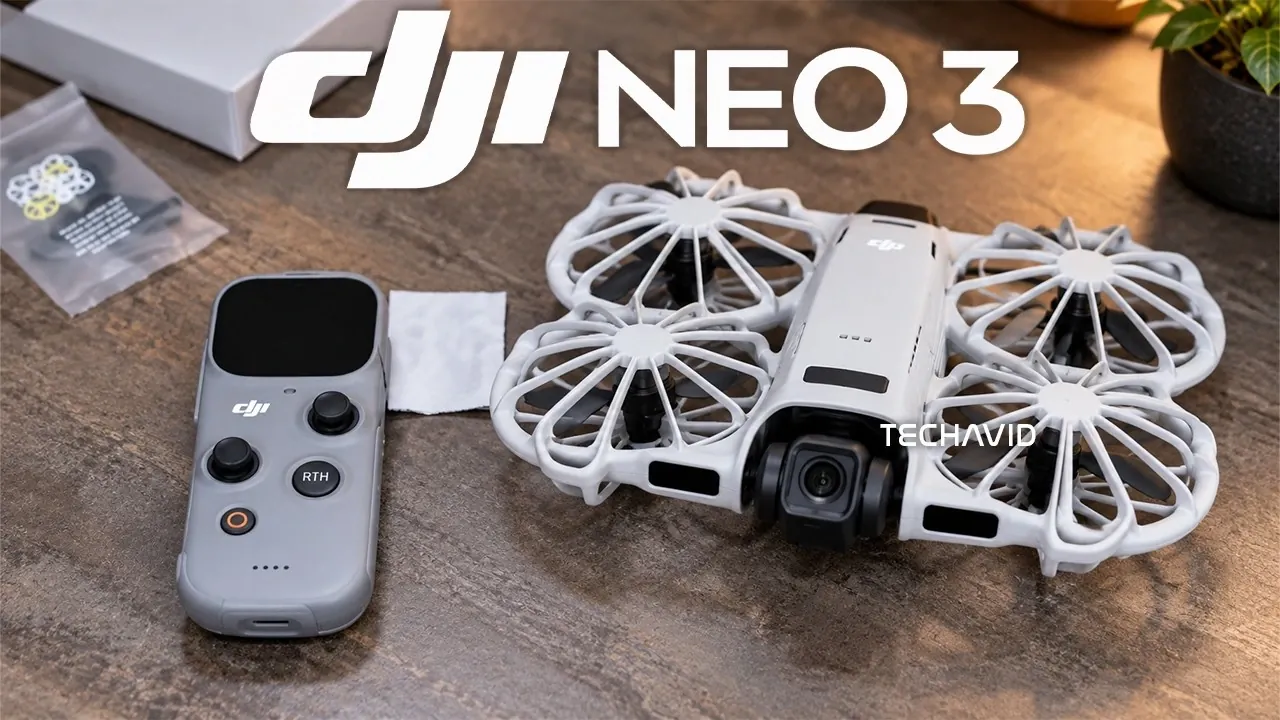
TechAvid’s unboxing of the DJI Neo 3 highlights key aspects of the drone’s design and functionality, including its 1/1.1-inch camera sensor with 2x lossless zoom. This sensor is designed to enhance image clarity and improve low-light performance, making it particularly relevant for aerial photography and videography. The Neo 3 also features an integrated transceiver, eliminating the need for external modules and an advanced obstacle avoidance system to enhance safety during operation. Weighing just 200 grams, it balances portability with practical features like thermal management to support extended flight times.
Explore how the Neo 3’s onboard display could streamline access to flight data and gain insight into the regulatory hurdles that may affect its availability in the United States. Learn about the current gaps in technical details, such as flight duration and video recording specifications and consider how these unknowns might influence user expectations.
Key Features and Design Innovations
- The DJI Neo 3 features a larger 1/1.1-inch camera sensor with 2x lossless zoom, offering sharper images and improved low-light performance for aerial photography enthusiasts and professionals.
- Key design upgrades include advanced obstacle avoidance, an integrated transceiver, enhanced thermal management for battery slots and an onboard display for potential flight information.
- Regulatory challenges in the US, including the lack of FCC authorization and potential restrictions on LAR-equipped drones, may hinder the Neo 3’s availability in the region.
- Critical details such as flight time, video recording specifications, pricing and launch date remain undisclosed, leaving potential buyers awaiting further announcements.
- Weighing approximately 200 grams, the Neo 3 combines portability with advanced features, making it suitable for both recreational and professional use while complying with many international drone regulations.
The DJI Neo 3 introduces a suite of upgrades aimed at enhancing both performance and user experience. At its core is a larger 1/1.1-inch camera sensor, capable of delivering 2x lossless zoom. This improvement is expected to produce sharper images and superior low-light performance, making the Neo 3 an attractive option for aerial photography enthusiasts and professionals alike.
Other standout design features include:
- Advanced Obstacle Avoidance: Equipped with additional sensors and spoke-like guards, the Neo 3 offers enhanced safety during flight, reducing the risk of collisions in complex environments.
- Integrated Transceiver: Unlike its predecessors, the Neo 3 incorporates the transceiver directly into its design. This eliminates the need for a separate module, streamlining the setup process and improving portability.
- Thermal Management: The battery slots feature advanced thermal management capabilities, which could help mitigate overheating risks during prolonged use or in high-temperature conditions.
- Onboard Display: A small rectangular screen is embedded into the drone’s body. While its exact purpose remains unclear, it may serve as a status display or provide critical flight information, adding a layer of convenience for users.
These features collectively position the Neo 3 as a versatile and user-friendly tool, catering to both recreational users and professionals seeking advanced functionality in a compact, portable package.
Regulatory Hurdles in the US Market
Despite its promising design and features, the DJI Neo 3 faces significant regulatory barriers in the United States. The drone has yet to secure FCC authorization, a mandatory certification for electronic devices operating on specific frequencies. Without this approval, the Neo 3 cannot legally be sold or operated in the US market.
Additionally, proposed restrictions on drones equipped with Location and Augmented Reality (LAR) technology could further complicate its entry into the region. These potential limitations raise questions about the Neo 3’s future availability in the US, even as it garners widespread interest in other markets. For now, DJI must navigate these regulatory challenges to ensure the Neo 3 reaches its full potential as a global product.

Enhance your knowledge on DJI Neo 3 by exploring a selection of articles and guides on the subject.
- Rumoured DJI Neo 3 Drone Targets a September 2026 Launch
- Leaked DJI Neo 3 May Feature a 1/1.1-Inch Square Sensor
- Leaked DJI Neo 3 May Feature a 1/1.3-Inch Sensor Upgrade
- DJI Neo 3 Leak Reveals a Likely Upward Obstacle Detection Sensor
- Leaked DJI Neo 3 May Integrate Transceiver vs Neo 2 Module
- Unidentified Upward Sensor Clouds the DJI Neo 3 Box Leak
- Leaked DJI Neo 3 Shows a 192.7G Build vs 151G DJI Neo 2
- DJI Neo 3 vs DJI Neo 2: the 11-Minute Battery Flaw Explained
- DJI Neo 3 Could Extend the Neo 2’S 19-Minute Flight Time
- New FCC Rules May Block the DJI Neo 3 from a US Release
Unanswered Questions and Missing Details
While the unboxing video provides valuable insights into the Neo 3’s design and features, several critical details remain undisclosed. These gaps leave potential buyers eagerly awaiting further announcements from DJI. Key missing information includes:
- Flight Time and Battery Performance: Details about the drone’s endurance in the air are notably absent, leaving questions about its suitability for extended operations.
- Video Recording Specifications: Information on video resolution, frame rates and other recording capabilities has not yet been revealed, which is crucial for content creators and professionals.
- Pricing and Launch Date: DJI has not provided any official information regarding the Neo 3’s cost or when it will be available for purchase.
These unanswered questions highlight the need for more comprehensive details as the Neo 3 moves closer to its official release. The lack of clarity has only fueled speculation, keeping enthusiasts and professionals alike on edge.
Lightweight and Portable Design
Weighing approximately 200 grams, the DJI Neo 3 is designed with portability as a priority. Its lightweight build makes it easy to transport, whether for casual outings or professional shoots. Despite its compact size, the Neo 3 does not compromise on performance, offering robust hardware and advanced features that cater to a wide range of users.
This balance between convenience and capability makes the Neo 3 an appealing choice for those who value mobility without sacrificing functionality. Its lightweight design also ensures compliance with many international drone regulations, which often impose weight limits for recreational and commercial use.
A Promising Yet Uncertain Future
The DJI Neo 3 represents a significant step forward in drone technology, blending innovative design with innovative features. From its enhanced camera sensor to its integrated transceiver and advanced thermal management system, the Neo 3 is poised to attract a diverse audience, ranging from hobbyists to professionals.
However, its future in the US market remains uncertain due to unresolved regulatory issues. The lack of FCC authorization and potential restrictions on LAR-equipped drones could delay or limit its availability in one of the world’s largest markets for drone technology. These challenges underscore the importance of regulatory compliance as DJI prepares for the Neo 3’s official launch.
For now, the leaked unboxing offers an exciting preview of what could become one of the most advanced drones in its class. As DJI addresses these challenges and unveils more details, the Neo 3 has the potential to redefine expectations in the drone industry, leaving enthusiasts and professionals eagerly anticipating its release.
Media Credit: TechAvid
Disclosure: Some of our articles include affiliate links. If you buy something through one of these links, Geeky Gadgets may earn an affiliate commission. Learn about our Disclosure Policy.
