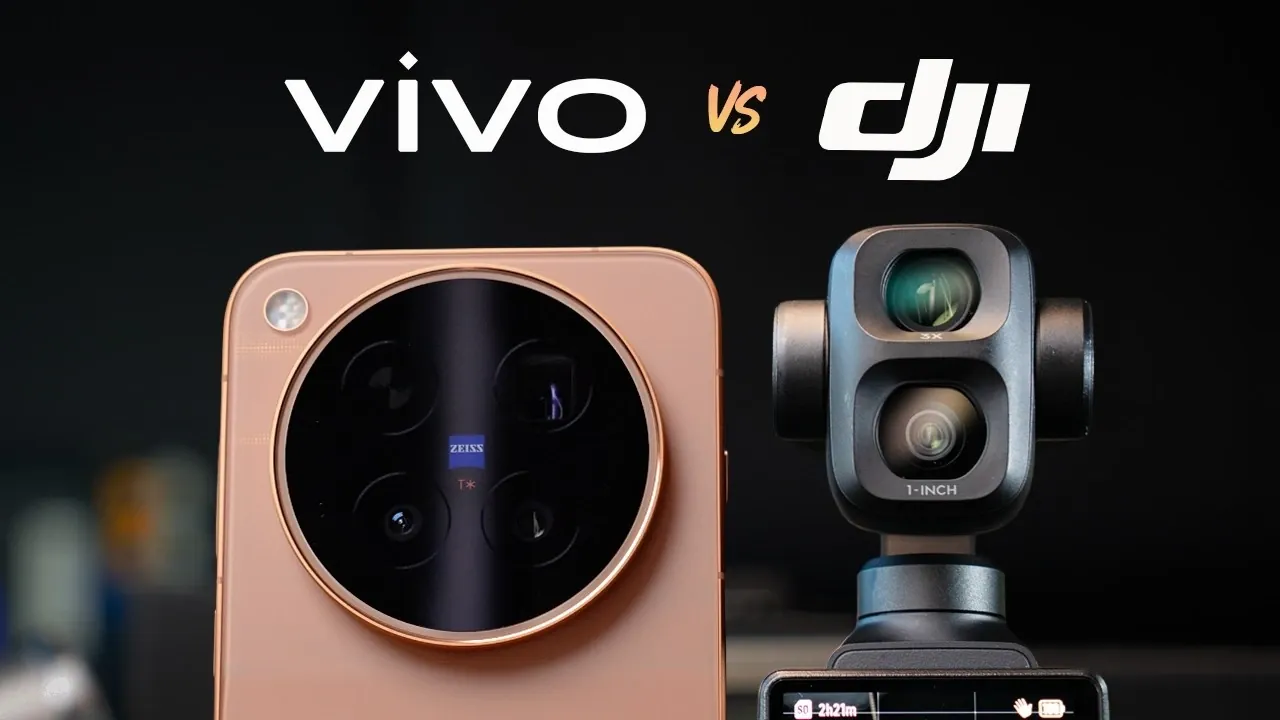
When comparing the Vivo X500 Pro Max and the Osmo Pocket 4P, the decision often comes down to balancing versatility against precision. The X500 Pro Max offers a triple-lens system with focal lengths of 24mm, 85mm and 15mm, making it adaptable for a variety of creative scenarios, from landscapes to portraits. On the other hand, the Osmo Pocket 4P’s dual-lens setup with 20mm and 60mm focal lengths is paired with a 1-inch sensor, delivering exceptional image quality, particularly in low-light conditions. As The Film Alliance highlights, these differences reflect the contrasting priorities of each device: the X500 Pro Max emphasizes flexibility and convenience, while the Pocket 4P focuses on delivering professional-grade results.
Explore how these cameras perform across key metrics like dynamic range, stabilization technologies, and color reproduction to determine which aligns better with your creative goals. Gain insight into the X500 Pro Max’s ability to shoot in 10-bit log profiles, offering advanced post-production options and the Pocket 4P’s edge in cinematic visuals straight out of the camera. Whether you’re prioritizing portability, ease of use, or professional-level output, this analysis will help clarify the strengths and limitations of each device, allowing you to make an informed choice.
Pocket 4P vs X500 Pro Max
TL;DR Key Takeaways :
- The Vivo X500 Pro Max offers a versatile triple-lens system and 10-bit log shooting, making it ideal for users seeking an all-in-one device with advanced creative flexibility.
- The Osmo Pocket 4P, with its larger 1-inch sensor and mechanical gimbal, excels in dynamic range, low-light performance and cinematic video quality, catering to dedicated filmmakers and photographers.
- Color science differs significantly: the X500 Pro Max emphasizes vivid, saturated tones, while the Pocket 4P prioritizes natural color accuracy for lifelike visuals.
- Usability varies, with the X500 Pro Max offering a larger display for easier framing, while the compact Pocket 4P is more portable but has a smaller screen for monitoring.
- Price-wise, the X500 Pro Max costs around $1,300 as a multifunctional device, whereas the Pocket 4P, priced between $500 and $700, focuses on specialized video and photography performance.
Camera Systems: Versatility vs Precision
The Vivo X500 Pro Max features a triple-lens system with focal lengths of 24mm, 85mm and 15mm, offering remarkable versatility for a wide range of shooting scenarios. Whether you’re capturing expansive landscapes, detailed portraits, or macro shots, this smartphone adapts to diverse creative demands. On the other hand, the Osmo Pocket 4P is equipped with a dual-lens setup featuring 20mm and 60mm focal lengths. While it provides fewer options, its 1-inch sensor ensures exceptional image quality, particularly in challenging lighting conditions. This makes the Pocket 4P a more specialized tool for those prioritizing precision over flexibility.
Color Science: Vibrancy or Accuracy?
The approach to color reproduction differs significantly between the two devices. The X500 Pro Max emphasizes vivid and saturated tones, making it ideal for users who prefer bold, attention-grabbing visuals. However, reds can sometimes lean toward orange, which may require minor adjustments in post-production. In contrast, the Pocket 4P prioritizes natural color accuracy, excelling in rendering lifelike skin tones and subtle hues. This makes it particularly well-suited for cinematic video projects or professional-grade photography where realism is essential.

Here are additional guides from our expansive article library that you may find useful on Osmo Pocket.
- Osmo Pocket 4P 1-Inch Sensor Beats iPhone 17 Pro for Video
- Osmo Pocket 4P Beats Insta360 Luna Ultra in Stability Tests
- DJI Pocket 4P Update 01.01.71.20 Enables D-Log Slow Motion
- DJI Pocket 4P Features 4K 240 FPS Video Without D-Log 2
- Osmo Pocket 4P vs Insta360 Luna Ultra vs GoPro Mission 1 Pro
- Compact DJI Pocket 4P Competes with Sony A7V in Low-Light
- DJI Pocket 4P Adds a 60Mm Telephoto Lens to the Pocket 4
- DJI Pocket 4P Main Camera Adds a 1-Inch Sensor with 17 Stops
- $600 Osmo Pocket 4P Challenges the $2,200 Sony ZV-E1
- Sony ZV-E10 Mark II Beats DJI Osmo Pocket 4P in Low Light
Dynamic Range: Capturing the Full Spectrum
Dynamic range is a critical factor in achieving well-balanced images. The Pocket 4P outperforms the X500 Pro Max in this area, preserving intricate details in both highlights and shadows to deliver a cinematic look. The X500 Pro Max, while capable, tends to lift midtones, resulting in flatter images that may require additional post-processing to achieve comparable depth and contrast. For creators seeking to minimize editing time, the Pocket 4P offers a more polished output straight out of the camera.
Stabilization: Electronic vs Mechanical
Both devices excel in stabilization but employ different technologies. The X500 Pro Max relies on advanced electronic stabilization, which performs admirably even in low-light conditions. This makes it a reliable choice for handheld shooting or dynamic environments. The Pocket 4P, equipped with a mechanical gimbal, delivers smoother and more fluid footage, particularly for cinematic applications. However, slight shakes may occur during handheld use, especially in fast-paced scenarios. Your choice will depend on your shooting style and the environments in which you typically work.
Low-Light Performance: Sensor Size Matters
In low-light conditions, the Pocket 4P’s larger 1-inch sensor gives it a significant advantage. It captures cleaner images with minimal noise, maintaining excellent detail in both highlights and shadows. The X500 Pro Max, while impressive for a smartphone, introduces more noise and relies on aggressive processing to compensate. For nighttime photography or videography, the Pocket 4P is the superior performer, offering more consistent and professional results.
Log Shooting and LUTs: Creative Flexibility
For advanced creators, the ability to shoot in log profiles and apply LUTs (Look-Up Tables) is crucial for achieving a specific aesthetic. The X500 Pro Max supports 10-bit log shooting across all its lenses and allows for custom LUT imports, allowing real-time monitoring and precise adjustments. In comparison, the Pocket 4P is limited to DLOG 2 on its main lens, requiring post-production adjustments to achieve the desired look. While both devices offer creative flexibility, the X500 Pro Max provides a more streamlined workflow for users who prefer to fine-tune their footage during the shoot.
Lens Flare and Fire Details: Cinematic Excellence
When it comes to handling lens flare and fire details, the Pocket 4P demonstrates superior performance. Its ability to produce cleaner and more cinematic visuals makes it a standout choice for filmmakers and videographers. The X500 Pro Max, while capable, occasionally introduces digital artifacts and frame blending in such scenarios, which can detract from the overall quality of the footage. For creators aiming to achieve a polished, professional aesthetic, the Pocket 4P is the more reliable option.
Photography: Resolution vs Ready-to-Use Results
For photography enthusiasts, the X500 Pro Max offers 50MP resolution, capturing brighter but flatter images that are ideal for users who enjoy post-processing. This high resolution provides greater flexibility for cropping and editing. In contrast, the Pocket 4P delivers 37MP images with more contrast and a cinematic quality straight out of the camera. This makes it a better choice for those who prefer ready-to-use results without extensive editing. Your decision here will depend on whether you prioritize resolution or convenience.
Usability: Convenience vs Portability
Usability is another key consideration. The X500 Pro Max’s larger display simplifies framing and exposure adjustments, making it easier to compose shots. However, its size can be cumbersome for low-angle or on-the-go shooting. The Pocket 4P, designed with portability in mind, is compact and lightweight, making it ideal for travel and quick setups. Its smaller screen, however, may limit precise monitoring, particularly in complex shooting scenarios. Evaluate your workflow and preferences to determine which device offers the most practical solution.
Price and Availability: Budget Considerations
Price often plays a significant role in the decision-making process. The Vivo X500 Pro Max, priced at approximately $1,300, combines smartphone functionality with advanced camera capabilities, offering excellent value for those seeking an all-in-one device. In contrast, the Osmo Pocket 4P, with a price range of $500 to $700, focuses exclusively on video and photography, providing a cost-effective solution for creators who prioritize dedicated tools. For budget-conscious users, the Pocket 4P offers an attractive balance of performance and affordability.
Which Camera is Right for You?
The Vivo X500 Pro Max and Osmo Pocket 4P cater to distinct audiences with different creative priorities. The X500 Pro Max excels in versatility, log shooting, and the added convenience of smartphone functionality, making it an excellent choice for users who value an all-in-one device. Meanwhile, the Pocket 4P stands out for its superior dynamic range, color accuracy, and cinematic quality, appealing to creators who prioritize dedicated video performance. Ultimately, your choice should align with your specific needs, whether you value multifunctionality or specialized capabilities.
Media Credit: The Film Alliance
Disclosure: Some of our articles include affiliate links. If you buy something through one of these links, Geeky Gadgets may earn an affiliate commission. Learn about our Disclosure Policy.
