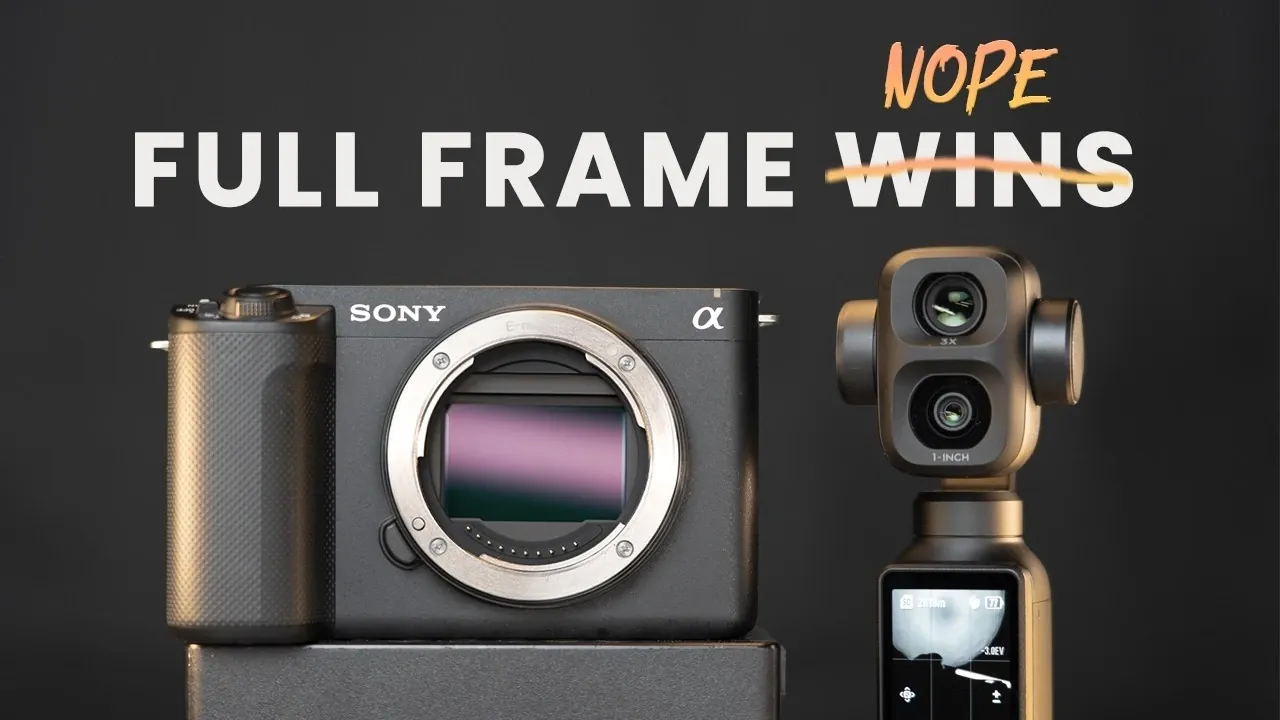
Compact and affordable, the Osmo Pocket 4P caters to users who prioritize convenience without sacrificing functionality. With its lightweight design, built-in 3-axis gimbal and 4K recording at 240fps, it is particularly appealing for travelers, vloggers and casual creators. In contrast, the Sony ZV-E1 targets professionals, offering a larger sensor for superior dynamic range, exceptional low-light performance and advanced connectivity options. As highlighted by The Film Alliance, these differences underscore the distinct user bases each camera is designed to serve, making the choice highly dependent on individual priorities.
Explore how these two cameras stack up across key areas like stabilization, image quality and usability. Gain insight into the Pocket 4P’s strengths in portability and simplicity, as well as the ZV-E1’s edge in professional-grade features like interchangeable batteries and precise autofocus. By understanding these specific advantages, you’ll be better equipped to determine which device aligns with your creative needs and shooting style.
Osmo Pocket 4P vs Sony ZV-E1
TL;DR Key Takeaways :
- The Osmo Pocket 4P prioritizes portability, affordability and ease of use, making it ideal for casual users, travelers and vloggers, while the Sony ZV-E1 targets professionals with advanced features and superior image quality.
- The ZV-E1 excels in image quality, low-light performance and dynamic range due to its larger sensor, making it suitable for professional-grade photography and videography.
- The Pocket 4P offers 4K recording at 240fps, built-in 3-axis gimbal stabilization and reliable auto white balance, providing simplicity and convenience for on-the-go shooting.
- The ZV-E1 features interchangeable batteries, multiple connectivity ports and advanced autofocus, catering to extended shoots and complex professional workflows.
- While the Pocket 4P is compact and beginner-friendly, the ZV-E1 provides more physical controls and customization options, appealing to users who require precision and flexibility.
Portability and Cost
For those prioritizing portability and cost, the Pocket 4P is a standout option. Weighing significantly less than the ZV-E1, it is compact enough to fit in your pocket, making it an ideal companion for travel, vlogging, or casual shooting. At a price point of $600, the Pocket 4P is also far more accessible compared to the ZV-E1, which starts at $2,200 for the body alone.
Additionally, the Pocket 4P eliminates the need for bulky full-frame lenses and external gimbals, further enhancing its convenience for on-the-go use. This makes it particularly appealing for users who value simplicity and mobility without compromising too much on functionality.
Image Quality
When it comes to image quality, the ZV-E1 takes the lead with its larger sensor, which delivers superior dynamic range and captures intricate details in both shadows and highlights. This capability is particularly beneficial for professional photographers and videographers who require high-quality footage for post-production editing. The ZV-E1 also excels in producing neutral tones, offering greater flexibility for color grading.
In comparison, the Pocket 4P leans toward more saturated colors, which can sometimes appear overly digital. While its performance is commendable for its size and price, it cannot match the professional-grade output of the ZV-E1. For users seeking the highest image fidelity, the ZV-E1 remains the better choice.

Enhance your knowledge on Osmo Pocket 4P by exploring a selection of articles and guides on the subject.
- Why the DJI Osmo Pocket 4P Might Disappoint Social Media Creators
- Why the DJI Pocket 4P Might Disappoint Modern Social Media Creators
- Inside the Massive DJI Osmo Pocket 4P Upgrade : 17 Stops of Dynamic Range & More
- What the DJI Pocket 4P’s Dual-Camera System Means for Creators
- What DJI Left Out of the Osmo Pocket 4P and Why It Matters
- DJI Pocket 4P Telephoto Lens: the Hidden Flaws Creators Must Know
- DJI Pocket 4 vs Pocket 4P : Are the New Pro Features Worth the Upgrade?
- DJI Pocket 4P Hidden Trade-Offs: Storage Limits and Touchscreen Woes
- Osmo Pocket 4P Beats Insta360 Luna Ultra in Stability Tests
- DJI Pocket 4P vs Insta360 Luna Ultra: the Ultimate Buying Guide
Low-Light Performance
Low-light performance is another area where the ZV-E1 excels. Its larger sensor and advanced image processing capabilities allow it to capture more detail in dimly lit environments with minimal noise. This makes it a reliable tool for shooting in challenging lighting conditions, such as nighttime or indoor settings with limited illumination.
The Pocket 4P, while capable in moderately lit environments, struggles to maintain the same level of detail and clarity in low-light scenarios. For users who frequently shoot in dark conditions, the ZV-E1 offers a clear advantage, making sure consistent performance across a wider range of lighting environments.
White Balance and Color Accuracy
The Pocket 4P demonstrates impressive performance in auto white balance, delivering consistent and accurate results across various lighting conditions. This reliability is particularly advantageous for quick, on-the-go shooting, where manual adjustments may not be feasible.
The ZV-E1, while capable of producing accurate colors, occasionally introduces a slight green cast in auto mode, requiring manual corrections for optimal results. Although both cameras can achieve accurate color reproduction, the Pocket 4P’s dependable auto white balance is a notable advantage for users seeking simplicity and efficiency.
Frame Rate and Stabilization
For high-frame-rate video, the Pocket 4P offers 4K recording at 240fps, allowing smooth and dramatic slow-motion footage. It also features a built-in 3-axis gimbal, making sure stable video even during movement or handheld shooting. This integrated stabilization system is a significant advantage for vloggers and content creators who prioritize smooth footage without additional equipment.
The ZV-E1, while capable of 4K at 120fps, introduces a crop when using its dynamic active stabilization. Although it offers stabilization options, the Pocket 4P’s integrated gimbal provides a more seamless solution for handheld shooting, making it a strong contender for users who prioritize portability and ease of use.
Autofocus
Both cameras excel in autofocus performance, offering fast and reliable subject tracking. However, the ZV-E1’s advanced autofocus system slightly outpaces the Pocket 4P in terms of speed and accuracy, particularly in complex or fast-moving scenes. This precision can be critical for professionals working in demanding environments where every frame counts.
While the differences in autofocus performance are relatively minor, the ZV-E1’s edge in this area may appeal to users who require the highest level of accuracy and responsiveness.
Battery and Connectivity
The ZV-E1 offers interchangeable batteries, a crucial feature for extended shoots or professional workflows. It also includes multiple connectivity ports, such as USB-C, HDMI and a headphone jack, providing greater versatility for advanced setups and external monitoring.
In contrast, the Pocket 4P lacks interchangeable batteries and has limited port options, which may hinder its reliability for long recording sessions or more complex configurations. For users who require extended battery life and robust connectivity, the ZV-E1 is the more practical choice.
Usability and Controls
The ZV-E1 is designed with professionals in mind, offering more physical buttons and dials for quick adjustments without navigating through menus. This makes it well-suited for complex setups and situations where speed and precision are essential.
The Pocket 4P, on the other hand, features a more minimalist design with fewer physical controls. While this simplicity enhances its ease of use for beginners and casual users, it may feel limiting for those who require greater control over their settings.
Final Thoughts
Choosing between the Osmo Pocket 4P and the Sony ZV-E1 ultimately depends on your specific needs and priorities. The Pocket 4P is an excellent choice for casual users, travelers and content creators who value portability, affordability, and ease of use. Its compact design, built-in gimbal and reliable auto white balance make it a versatile tool for everyday shooting.
On the other hand, the ZV-E1 is tailored for professionals who demand exceptional image quality, low-light performance, and advanced functionality. Its larger sensor, interchangeable batteries and robust connectivity options make it a powerful choice for professional workflows.
By carefully evaluating your requirements, whether they center on portability, cost, or professional-grade features, you can make an informed decision about which camera best suits your creative goals.
Media Credit: The Film Alliance
Disclosure: Some of our articles include affiliate links. If you buy something through one of these links, Geeky Gadgets may earn an affiliate commission. Learn about our Disclosure Policy.
