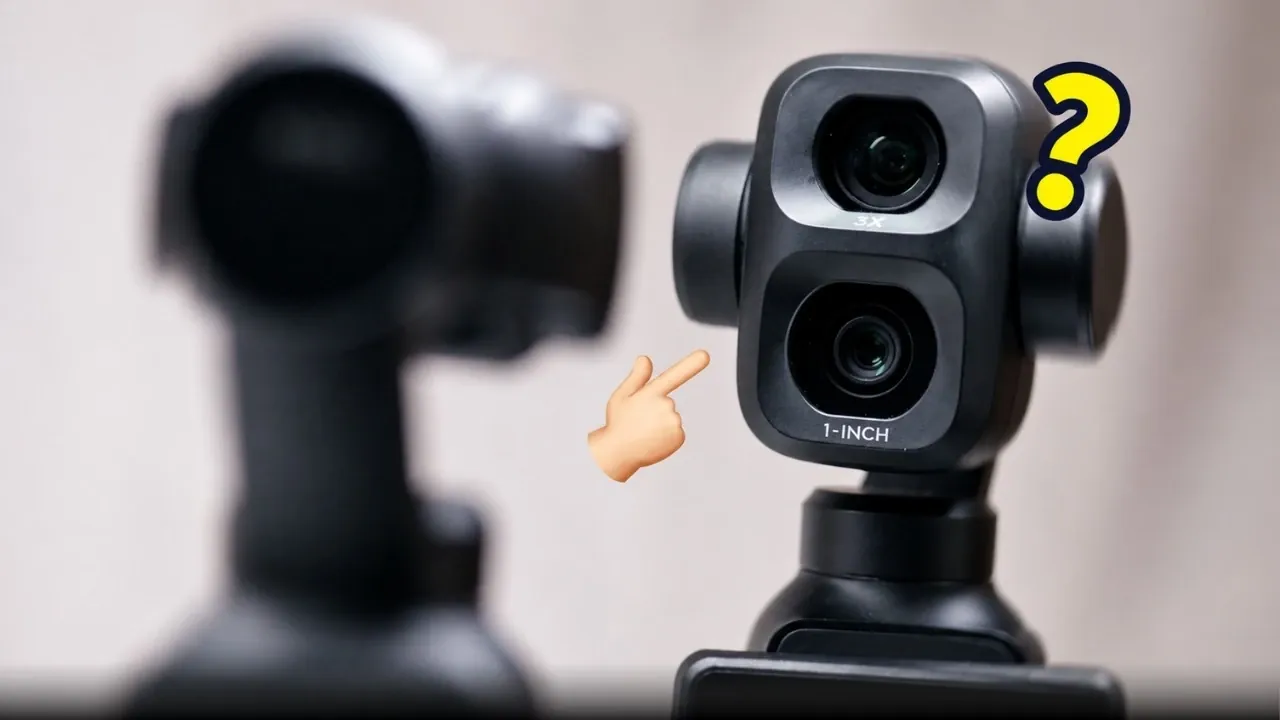
The DJI Pocket 4P is a compact camera designed to deliver professional-grade video quality in a portable form. According to Tech Court, its standout features include a 1/1.28-inch sensor and D-log 2 mode, offering 17 stops of dynamic range to handle challenging lighting conditions. With 4K resolution at 200 fps and a three-axis gimbal for stabilization, the Pocket 4P caters to creators seeking high-quality footage. However, its usability may hinge on factors like navigating its small touchscreen or mastering manual controls.
Dive into how the Pocket 4P performs in practical settings, such as its low-light capabilities and the reliability of its Smart Follow tracking during motion. Explore whether its compact design and advanced shooting modes integrate smoothly into different workflows and examine potential drawbacks like limited storage or a learning curve for new users. This deep dive will help clarify whether the Pocket 4P aligns with your creative needs or if other options might be more suitable.
Key Features at a Glance
TL;DR Key Takeaways :
- The DJI Pocket 4P features a 1/1.28-inch sensor, f/1.8 aperture and supports 4K resolution at up to 200 fps, delivering professional-grade video quality with smooth slow-motion capabilities.
- Its three-axis gimbal stabilization ensures steady footage, while Smart Follow tracking with 12x zoom enhances subject tracking during movement.
- The D-log 2 mode offers 17 stops of dynamic range, capturing vibrant colors and intricate details in both highlights and shadows, even in challenging lighting conditions.
- Compact and portable, the Pocket 4P is ideal for on-the-go creators, though its small touchscreen and manual controls may require a learning curve for beginners.
- Limitations include smaller built-in storage, slightly heavier design and occasional challenges with Smart Follow tracking in complex environments.
The DJI Pocket 4P is equipped with a 1/1.28-inch sensor and an f/1.8 aperture, offering impressive image quality for its size. It supports 4K resolution at up to 200 fps, allowing smooth slow-motion footage that enhances dynamic storytelling. The fixed wide-angle lens provides versatility for various shooting scenarios, while the D-log 2 mode delivers 17 stops of dynamic range, preserving intricate details in both highlights and shadows. Other standout features include:
- A 60mm equivalent focal length, ideal for tighter framing and portrait-style shots.
- Built-in stabilization via a three-axis gimbal, making sure smoother and more professional-looking footage.
- Smart Follow tracking, which locks onto subjects, even at 12x zoom—for precise and steady tracking during movement.
These features make the Pocket 4P a versatile and capable tool for capturing cinematic visuals in a variety of settings.
Performance Overview
The DJI Pocket 4P excels in producing high-quality video, particularly in slow-motion and action shots. Its ability to retain sharp textures and control noise makes it a strong contender for cinematic sequences. The three-axis gimbal stabilization system is highly effective for handheld use, though slight wobble may occur when the camera is stationary for extended periods.
Dynamic range is a standout feature. The D-log 2 mode captures vibrant colors and intricate details, even in challenging lighting conditions. Low-light performance is equally impressive for a compact camera, delivering clear and detailed footage with minimal grain, making it suitable for nighttime or indoor shoots.

Become an expert in DJI Pocket 4P with the help of our in-depth articles and helpful guides.
- DJI Osmo Pocket 4P vs Insta360 Luna Ultra : Key Differences Explained
- DJI Pocket 4 vs Pocket 4P : Are the New Pro Features Worth the Upgrade?
- DJI Osmo Pocket 4P Global Launch is Finally Here
- What the DJI Pocket 4P’s Dual-Camera System Means for Creators
- DJI Osmo Pocket 4P: Uncovering Its Biggest Hidden Trade-Offs
- Why the DJI Osmo Pocket 4P Might Disappoint Social Media Creators
- What DJI Left Out of the Osmo Pocket 4P and Why It Matters
- Why DJI Kept the Osmo Pocket 4P Specs a Secret at Cannes
- DJI Pocket 4P Telephoto Lens: the Hidden Flaws Creators Must Know
- Why the DJI Pocket 4P Might Disappoint Modern Social Media Creators
Ease of Use
The Pocket 4P’s compact and lightweight design enhances portability, making it easy to carry and operate in various environments. Accessories from the previous Pocket 4 model are fully compatible, adding to its versatility. The default stabilization keeps the lens level, which is ideal for most shooting scenarios. However, the small touchscreen interface can make manual adjustments for focus and exposure somewhat cumbersome, particularly for users accustomed to larger, more intuitive controls.
While the touch controls and customizable quick toggles offer flexibility, they come with a learning curve. The Smart Follow feature simplifies subject tracking but may struggle in complex environments, requiring occasional manual intervention to maintain accuracy. These factors make the Pocket 4P more suitable for users willing to invest time in mastering its controls.
Strengths
The DJI Pocket 4P offers several advantages that make it a compelling choice for content creators:
- Exceptional image quality with vibrant colors and clarity in both daylight and low-light conditions.
- Diverse shooting modes, such as FPV and slow-motion, to accommodate a wide range of creative needs.
- A stable gimbal system that enhances handheld shooting experiences, even during movement.
- Compact and portable design, ideal for on-the-go creators.
These strengths position the Pocket 4P as a valuable tool for users seeking professional-grade footage in a compact form factor.
Limitations
Despite its impressive features, the Pocket 4P has some limitations that may affect its appeal for certain users:
- Smaller built-in storage compared to its predecessor, which limits recording time and may necessitate frequent file transfers.
- Slightly heavier design, which could impact portability for users prioritizing ultra-lightweight devices.
- Manual adjustments for exposure and focus are less intuitive, potentially slowing down the shooting process for beginners.
- Smart Follow tracking may struggle in crowded or complex environments, requiring manual corrections.
These drawbacks highlight the importance of understanding the device’s capabilities and limitations before making a purchase.
Who Should Consider the DJI Pocket 4P?
The DJI Pocket 4P is ideal for users who prioritize high-quality footage, dynamic range and stabilized video over the convenience of a smartphone. Its compact design and advanced features make it an excellent tool for vloggers, filmmakers and content creators who demand professional results in a portable package. It is particularly well-suited for those who frequently shoot on the go and require a reliable, high-performance camera.
However, casual users or those accustomed to the simplicity of smartphone cameras may find the Pocket 4P less appealing. The manual controls, limited storage and learning curve associated with its advanced features may not align with the needs of users seeking a more straightforward, plug-and-play experience.
Final Thoughts
The DJI Pocket 4P is a powerful and versatile device that shines in the hands of users who can fully use its capabilities. Its combination of slow-motion capture, dynamic range and stable handheld shooting makes it a valuable investment for content creators aiming to elevate their work. However, for those prioritizing simplicity or casual use, a smartphone camera may remain the more practical choice. Ultimately, the Pocket 4P is best suited for creators who value portability and professional-grade performance in a compact form factor.
Media Credit: Tech Court
Disclosure: Some of our articles include affiliate links. If you buy something through one of these links, Geeky Gadgets may earn an affiliate commission. Learn about our Disclosure Policy.
