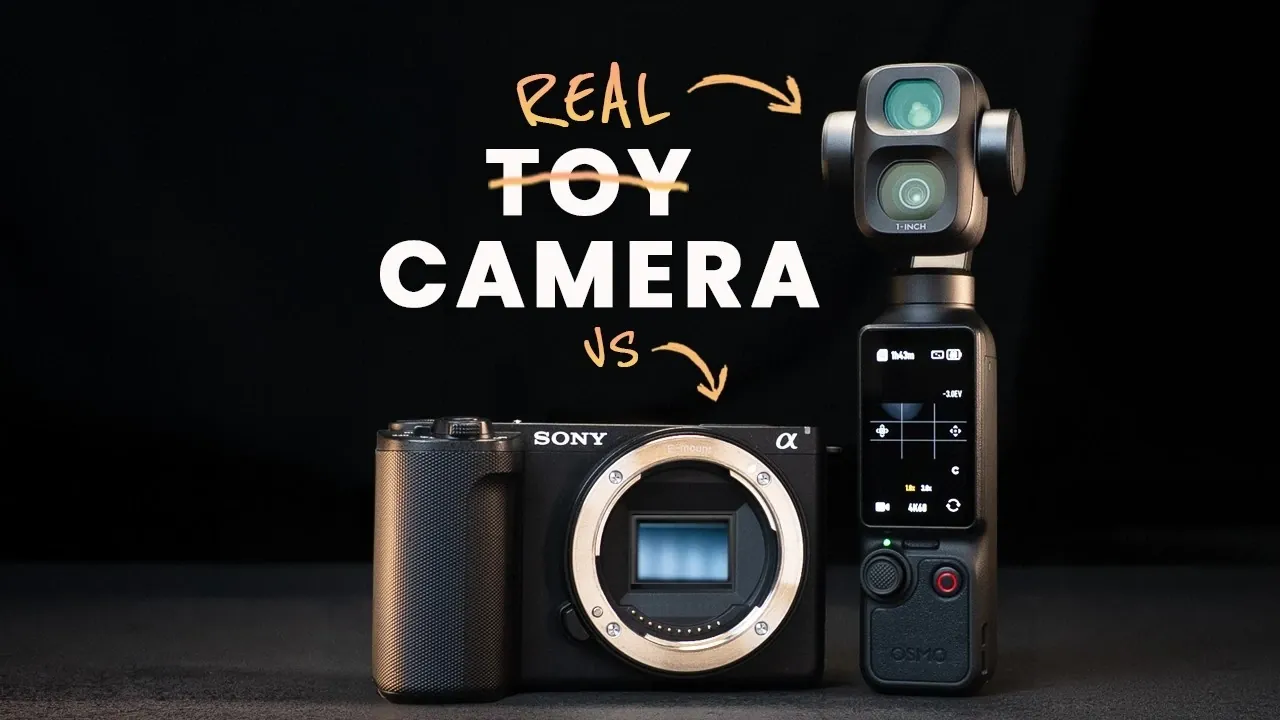
When comparing the DJI Osmo Pocket 4P and the Sony ZV-E10 Mark II, it’s clear that each camera is designed with distinct users in mind. The Pocket 4P emphasizes portability and ease of use, featuring a built-in mechanical gimbal for stabilization and dual sensors for versatile shooting. On the other hand, the ZV-E10 Mark II caters to those seeking professional-grade performance, offering an APS-C sensor for superior image quality and an interchangeable lens system for adaptability. As highlighted by The Film Alliance, the choice between these two models often comes down to balancing portability with advanced features, as well as considering factors like price and availability.
Explore how these cameras perform across key areas such as video recording, stabilization and low-light capabilities. Learn why the Pocket 4P’s compact design and 4K at 240fps recording might appeal to casual users, while the ZV-E10 Mark II’s dynamic range and S-Log 3 support make it a strong contender for professional workflows. Whether you’re a vlogger, traveler, or content creator, this breakdown will help you identify which camera aligns best with your creative goals.
Pocket 4P vs Sony ZV-E10 II
TL;DR Key Takeaways :
- The DJI Osmo Pocket 4P is a compact, portable camera priced around $575 internationally, offering built-in gimbal stabilization and dual sensors for casual, on-the-go shooting, but it is not officially available in the U.S.
- The Sony ZV-E10 Mark II, priced at $998 in the U.S., features a larger APS-C sensor, interchangeable lenses and superior low-light performance, catering to professional-grade content creators.
- The Pocket 4P excels in portability, vibrant visuals and 4K video at 240fps, while the ZV-E10 Mark II offers better image quality, dynamic range and flexibility with 4K at 120fps.
- For photography, the ZV-E10 Mark II is the superior choice due to its larger sensor and advanced capabilities, whereas the Pocket 4P is primarily designed for video.
- The Pocket 4P is ideal for casual users and vloggers seeking ease of use and portability, while the ZV-E10 Mark II is better suited for serious creators requiring professional tools and expandability.
Price and Availability
– DJI Osmo Pocket 4P: With an international price of approximately $575, this camera is not officially available in the U.S., often leading to higher domestic costs due to import fees and limited availability.
– Sony ZV-E10 Mark II: Priced at around $998 in the U.S., this camera is widely accessible and offers features that justify its higher cost for users seeking professional-grade performance.
If affordability and portability are your priorities, the Pocket 4P is the more budget-friendly option. However, the ZV-E10 Mark II provides advanced features that cater to users aiming for professional results, making it a worthwhile investment for serious creators.
Build and Features
– Pocket 4P: Designed with portability in mind, this compact camera features a built-in mechanical gimbal for smooth stabilization. It includes dual sensors, one for wide-angle shots and another for telephoto perspectives, making it ideal for casual users who value convenience and ease of use.
– ZV-E10 Mark II: Built for versatility, this camera features a larger APS-C sensor for superior image quality and an interchangeable lens system, allowing users to adapt to various shooting scenarios. Its advanced connectivity options, including microphone and monitor compatibility, make it a strong choice for content creators.
The Pocket 4P is perfect for users seeking a lightweight, all-in-one solution for quick, on-the-go shooting. In contrast, the ZV-E10 Mark II is better suited for those who require flexibility, professional-grade tools and the ability to expand their setup over time.

Browse through more resources below from our in-depth content covering more areas on DJI Osmo Pocket 4P.
- DJI Osmo Pocket 4P Global Launch is Finally Here
- Why DJI Kept the Osmo Pocket 4P Specs a Secret at Cannes
- Why the DJI Osmo Pocket 4P Might Disappoint Social Media Creators
- Why the DJI Pocket 4P Might Disappoint Modern Social Media Creators
- Inside the Massive DJI Osmo Pocket 4P Upgrade : 17 Stops of Dynamic Range & More
- What the DJI Pocket 4P’s Dual-Camera System Means for Creators
- How the Insta360 Luna Ultra Challenges DJI’s Cinematic Dominance
- DJI Osmo Pocket 4P: Uncovering Its Biggest Hidden Trade-Offs
- What DJI Left Out of the Osmo Pocket 4P and Why It Matters
- What the Latest DJI Osmo Pocket 4P Leaks Actually Mean
Video Performance
Both cameras excel in video recording but cater to different needs:
– Pocket 4P: Capable of recording 4K video at up to 240fps, this camera delivers vibrant colors and ultra-smooth footage, thanks to its built-in gimbal stabilization. It’s an excellent choice for capturing dynamic scenes without requiring additional equipment.
– ZV-E10 Mark II: While limited to 4K at 120fps, this camera outperforms the Pocket 4P in low-light conditions and offers a wider dynamic range. Its larger sensor ensures better detail retention and more natural color rendering, making it a strong contender for professional videography.
If you prioritize portability, high frame rates and built-in stabilization, the Pocket 4P is a solid option. However, for superior image quality, low-light performance and dynamic range, the ZV-E10 Mark II is the better choice.
Color Science
Color science plays a crucial role in determining the visual appeal of your footage:
– Pocket 4P: Produces vibrant and saturated colors, particularly in skies and skin tones, which appeal to casual users looking for eye-catching visuals straight out of the camera.
– ZV-E10 Mark II: Offers more natural, muted tones with improved auto white balance and better handling of challenging lighting conditions, such as backlit scenes or mixed lighting environments.
Your choice here depends on your aesthetic preferences. If you prefer vivid, attention-grabbing visuals, the Pocket 4P is a great fit. For a more natural, professional look, the ZV-E10 Mark II is the better option.
Photography
When it comes to still photography, the ZV-E10 Mark II is the clear winner:
– Its APS-C sensor delivers greater tonal range, better detail retention and overall superior image quality.
– The Pocket 4P, while capable of taking photos, is primarily designed for video and lacks the depth, resolution and flexibility offered by the ZV-E10 Mark II.
If photography is a significant part of your workflow, the ZV-E10 Mark II is the obvious choice, offering professional-grade results that the Pocket 4P cannot match.
Stabilization
Both cameras offer stabilization but approach it differently:
– Pocket 4P: Features a built-in mechanical gimbal, making sure smooth footage without the need for additional gear. This makes it ideal for handheld shooting and quick setups.
– ZV-E10 Mark II: Relies on external stabilization tools, such as gimbals or tripods, to achieve comparable results. While this adds flexibility, it also requires additional equipment and setup time.
For effortless stabilization and portability, the Pocket 4P is the better option. However, the ZV-E10 Mark II allows for more customization and control when paired with external tools.
Log Profiles and Post-Production
Both cameras support log profiles, allowing advanced color grading and post-production flexibility:
– Pocket 4P: Includes Dlog-M II, which offers a good balance of dynamic range and ease of use during editing.
– ZV-E10 Mark II: Features S-Log 3, providing even greater dynamic range and control for experienced editors who demand precise adjustments.
Both options require careful handling, such as proper exposure settings and locked white balance, to achieve optimal results. If you’re experienced in post-production, either camera will meet your needs, but the ZV-E10 Mark II offers more flexibility for advanced workflows.
Ease of Use
– Pocket 4P: Compact and easy to carry, this camera is perfect for users who prioritize portability. However, it requires smartphone activation, which may raise privacy concerns for some users.
– ZV-E10 Mark II: Ready to use out of the box, it features a larger screen that simplifies framing, playback and menu navigation. This makes it more user-friendly for those who prefer a straightforward setup.
If simplicity and portability are your priorities, the Pocket 4P is an excellent choice. For a more traditional and user-friendly experience, the ZV-E10 Mark II stands out.
Use Cases
– Pocket 4P: Best suited for casual, on-the-go shooting. Its compact size, built-in stabilization and vibrant visuals make it ideal for travel, vlogging, or capturing quick moments with minimal setup.
– ZV-E10 Mark II: Designed for users transitioning from beginner to professional. Its superior image quality, low-light performance and expandability make it a better choice for those seeking a long-term, versatile solution.
Final Thoughts
The DJI Osmo Pocket 4P and Sony ZV-E10 Mark II cater to distinct needs and audiences:
– The Pocket 4P is a portable, user-friendly camera with excellent stabilization and vibrant visuals, making it perfect for casual users, travelers and vloggers.
– The ZV-E10 Mark II offers professional-grade features, excelling in low-light performance, dynamic range and expandability, making it ideal for serious content creators and photographers.
Ultimately, your decision should align with your specific needs, budget and intended use. Whether you prioritize portability or professional features, both cameras provide excellent value within their respective categories.
Media Credit: The Film Alliance
Disclosure: Some of our articles include affiliate links. If you buy something through one of these links, Geeky Gadgets may earn an affiliate commission. Learn about our Disclosure Policy.
