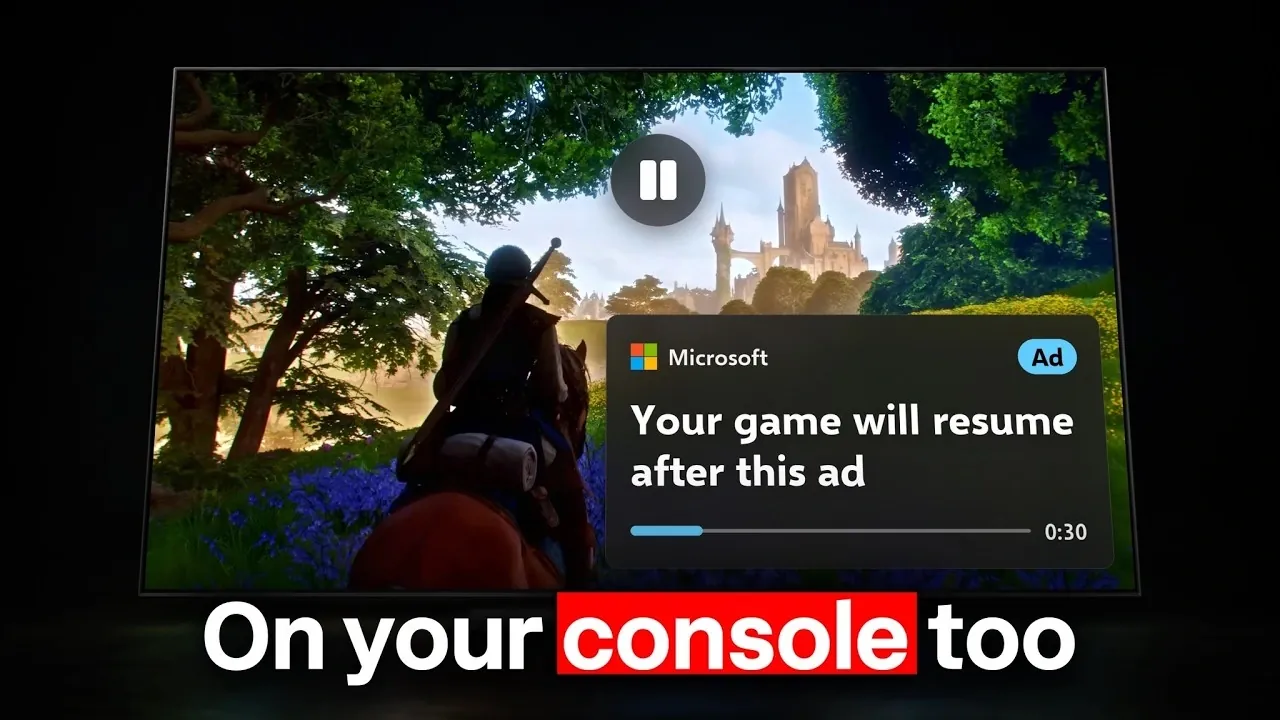
Microsoft’s recent patent filing has sparked significant discussion within the gaming community, as it outlines a system for integrating advertisements directly into video games. According to Bellular News, the patent describes placing ads during non-critical moments, such as loading screens or after completing levels, aiming to minimize disruption to gameplay. Additionally, the system introduces a credit-based model, allowing players to earn ad-free gameplay time by completing specific in-game tasks. This approach could create new pricing tiers, offering ad-supported versions of premium games to make them more affordable for a broader audience.
Explore how this potential shift might impact game design, from incentivizing developers to create natural pauses for ads to the broader implications for player immersion. Gain insight into the financial pressures driving Microsoft’s exploration of ad-supported gaming, including declining engagement and the costs of cloud gaming services. Finally, understand the potential trade-offs for players, from more accessible pricing to concerns about fragmented experiences between ad-supported and premium tiers.
What Does the Patent Suggest?
TL;DR Key Takeaways :
- Microsoft has filed a patent to integrate advertisements into video games during non-critical moments like loading screens or pauses, aiming to balance monetization with player immersion.
- The patent introduces a credit-based system where players can earn ad-free gameplay time by completing challenges or meeting specific criteria, potentially making premium games more affordable.
- Microsoft is exploring ad-supported gaming to address financial challenges, including declining player engagement and high costs associated with cloud gaming services.
- Ad-supported gaming could lower costs for players but may influence game design, potentially altering gameplay flow and creating disparities between ad-supported and ad-free experiences.
- If successful, this model could set a precedent for the gaming industry, but it raises concerns about player satisfaction, game quality and the balance between monetization and creative storytelling.
The patent proposes a system that strategically places ads in games, aiming to minimize disruption to the gameplay experience. For instance, advertisements could appear during loading screens, after completing a level, or at other non-critical moments in the game. This system is designed to ensure that ads do not interfere with key gameplay elements, maintaining a balance between monetization and player immersion.
Additionally, the patent introduces a credit-based system that rewards players with ad-free gameplay time. Players could earn these credits by meeting specific criteria, such as playing certain game modes, completing challenges, or spending a set amount of time in the game. This model could make premium games more affordable by offering ad-supported versions, creating a new pricing tier that caters to a wider audience. For players who prioritize cost savings, this system could provide a more accessible entry point into premium gaming experiences.
Why is Microsoft Exploring This?
Microsoft’s exploration of in-game advertisements stems from financial challenges within its Xbox division. Reports indicate a decline in player engagement, measured by hours spent gaming, alongside a drop in consumer spending on games and services. Additionally, the company’s focus on cloud gaming services has proven costly, particularly for players who exceed 15 hours of gameplay per month, which strains the profitability of these services.
To address these challenges, Microsoft is seeking new revenue streams. One potential solution is the introduction of ad-supported Game Pass tiers, which could offset operational costs while diversifying monetization strategies. By integrating ads into games, Microsoft aims to create a sustainable model that supports its gaming ecosystem without relying solely on traditional revenue sources like game sales or subscriptions.

Find more information on Xbox by browsing our extensive range of articles, guides and tutorials.
- Leaked Xbox Project Helix May Hit a $1,200 Price in Spring 2027
- Xbox Project Helix Confirmed for a November 2027 Launch
- PlayStation 6 and Xbox Project Helix Arrive in 2027 From $800
- Xbox Project Helix Consoles Scheduled to Launch in Nov 2027
- Estimated $800 Xbox Project Helix Launches in November 2027
- Rumoured Massive 26-Teraflop Xbox Project Helix Pits It Against PlayStation 6
- Heroic Game Launcher Enables Xbox Game Pass Titles on SteamOS
- Project Helix: How the Next Xbox Plays Both PC and Console Games
- Microsoft Reportedly Drops Steam from Xbox Project Helix
- Preorder the $1,299 ROG Xbox Ally X20 Before October 15th 2026
How Could This Affect Players?
For players, the introduction of ad-supported gaming could offer both advantages and challenges. On the one hand, this model could lower the cost of premium games, making them more accessible to a broader audience. Players who are willing to tolerate ads might benefit from reduced prices or even free access to certain games. This could provide widespread access to gaming by providing more options for players with varying budgets.
On the other hand, the integration of ads could influence game design in significant ways. Developers might be incentivized to create more natural pauses, such as extended loading screens or additional cutscenes, to accommodate advertisements. While this approach minimizes disruption, it risks altering the flow of gameplay, potentially making traditional gaming experiences feel more like free-to-play models dominated by ads and microtransactions.
Furthermore, the introduction of ad-supported and premium ad-free tiers could create disparities in how players experience games. Those who opt for the ad-free version may enjoy a more seamless and immersive experience, while others may find their gameplay interrupted by ads. This division could lead to a fragmented gaming community, where access to the “full” experience depends on a player’s willingness to pay.
What Does This Mean for the Gaming Industry?
If implemented, Microsoft’s patent could have far-reaching implications for the gaming industry. As a major platform, Xbox has the potential to set a precedent for in-game advertisements. Competitors may initially hesitate to adopt similar systems due to potential legal and reputational risks. However, if Microsoft’s approach proves successful, other companies could follow suit, fundamentally altering the gaming landscape.
This shift could also challenge the cohesiveness of video games as a creative medium. Ads, even when strategically placed, might detract from the immersive experiences that players value. Developers may face pressure to balance creative storytelling with the need to incorporate monetization elements, potentially leading to compromises in game quality or design.
Moreover, the adoption of ad-supported gaming could blur the line between premium and free-to-play experiences. Even games running on local hardware, traditionally free from such monetization strategies, might adopt similar models. This raises concerns about the long-term effects on player satisfaction and the overall perception of gaming as an art form.
Balancing Innovation and Player Experience
Microsoft’s patent for in-game advertisements represents a significant shift in how games are monetized. While it offers potential benefits, such as reduced costs for players and new revenue streams for developers, it also introduces challenges that could reshape the gaming experience. The success of this model will depend on its ability to balance innovation with the preservation of games as a creative and immersive medium.
As the gaming industry continues to evolve, financial pressures and changing player expectations will likely drive further experimentation with monetization strategies. However, the introduction of ad breaks in video games remains a contentious issue. Its long-term implications for players, developers and the industry at large will depend on how effectively companies like Microsoft can implement these systems without compromising the core values that make gaming a unique and engaging form of entertainment.
Media Credit: Bellular News
Disclosure: Some of our articles include affiliate links. If you buy something through one of these links, Geeky Gadgets may earn an affiliate commission. Learn about our Disclosure Policy.
