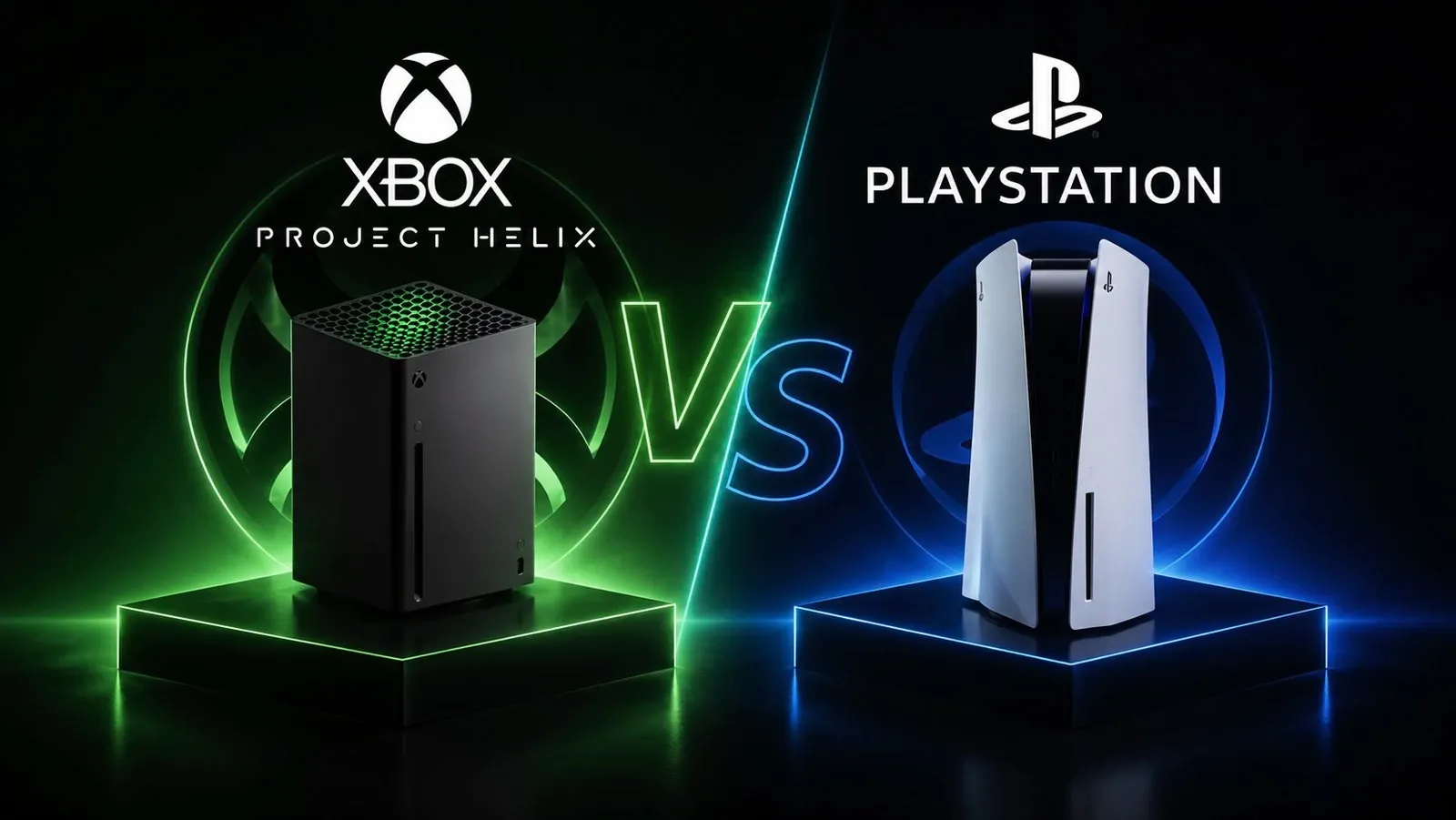
The gaming world is abuzz with the latest revelations about Xbox Project Helix and PlayStation 6, both slated for a November 2027 release. In a detailed breakdown, Colt Eastwood explores how these next-generation consoles aim to cater to distinct gaming audiences. Xbox Project Helix, powered by the AMD Magnus chip, features 26 teraflops of compute power and a flexible ecosystem that spans consoles, handhelds and cloud gaming devices. On the other hand, PlayStation 6, featuring the AMD Orion chip, emphasizes affordability and simplicity, with a compact design and a shift toward a digital-only future. These contrasting approaches reveal each brand’s priorities as they prepare to shape the future of gaming.
Explore how Xbox’s modular controller design and backward compatibility stack up against PlayStation’s refined DualSense-inspired controller and portable Project Kynes handheld. Gain insight into how each platform addresses portability, with Xbox planning a high-performance handheld post-2027 and PlayStation offering native PS5-level gaming on the go. Whether you’re drawn to Xbox’s ecosystem-driven strategy or PlayStation’s streamlined accessibility, this breakdown provides a comprehensive look at what to expect from the next chapter in gaming.
TL;DR Key Takeaways :
- Xbox Project Helix and PlayStation 6 are set for a November 2027 release, with distinct strategies: Xbox focuses on ecosystem integration and performance, while PlayStation emphasizes affordability and simplicity.
- Xbox Project Helix features the AMD Magnus chip with 26 teraflops of compute power, 32-48 GB of GDDR7 RAM, real-time path tracing and AI-driven upscaling, alongside robust backward compatibility and a versatile ecosystem.
- PlayStation 6, powered by the AMD Orion chip, offers 18-20 teraflops of compute power, 24-32 GB of GDDR7 RAM and a digital-only approach, with limited backward compatibility but a focus on streamlined, energy-efficient gaming.
- Both brands are exploring handheld gaming: Xbox plans a high-performance portable device post-2027, while PlayStation’s Project Kynes delivers native PS5-level performance in a portable format.
- Controller innovations differ: Xbox introduces modular stick replacements, motion controls and enhanced haptics, while PlayStation refines its DualSense-inspired controller with adaptive triggers and haptics for a familiar experience.
Xbox Project Helix: Power and Flexibility
Xbox Project Helix is designed for gamers who demand high performance and adaptability. At its core lies the AMD Xbox Magnus chip, which integrates a Zen 6 CPU and RDNA5 GPU. With an rumoured impressive 26 teraflops of compute power, real-time path tracing and AI-driven upscaling, the console sets a new benchmark for graphical fidelity. Its 32-48 GB of GDDR7 RAM ensures seamless multitasking and high-speed performance, meeting the needs of modern, resource-intensive games.
What truly distinguishes Xbox Project Helix is its ecosystem-driven approach. The console supports a variety of devices, including traditional consoles, PC-console hybrids, handhelds and cloud streaming boxes. Collaborations with brands like Razer and Dell expand its reach, offering gamers the flexibility to choose devices that suit their preferences. Additionally, backward compatibility with Xbox and PC game libraries ensures a smooth transition for existing players, preserving their investments in previous titles.
The next-generation Xbox controller introduces advanced features such as haptics, motion controls and modular stick replacements, allowing players to customize their gaming experience. Rechargeable batteries and reduced latency further enhance its appeal, making it a standout component of the Xbox ecosystem. This combination of power, flexibility and innovation positions Xbox Project Helix as a versatile platform for gamers seeking innovative technology.
PlayStation 6: Streamlined and Accessible
PlayStation 6 takes a different approach, prioritizing affordability and simplicity. Powered by the AMD Orion chip, which features a Zen 6C CPU and RDNA5 GPU, the PS6 delivers 18-20 teraflops of compute power and 24-32 GB of GDDR7 RAM. While it may not match the raw power of Xbox Project Helix, the PS6 focuses on efficiency and a streamlined gaming experience. Its compact design and energy-efficient architecture make it an attractive option for gamers seeking a straightforward solution.
PlayStation’s strategy leans heavily toward a digital-only future, eliminating physical discs in favor of downloadable content. However, this shift comes with limitations, such as reduced backward compatibility, which may disappoint players with extensive game libraries. Despite this, the PS6 handheld, codenamed Project Kynes, offers native PS5-level gaming performance, providing a portable option for PlayStation enthusiasts who value mobility.
The DualSense-inspired controller remains a key feature of PlayStation’s design. With refined haptics and adaptive triggers, it delivers a tactile and immersive experience. While it lacks the modularity of Xbox’s controller, it continues to offer a familiar and reliable interface for PlayStation users. This focus on simplicity and accessibility underscores PlayStation’s commitment to delivering an intuitive gaming experience.

Advance your skills in Xbox Project Helix by reading more of our detailed content.
- Project Helix Leaks Reveal a $1,200 Hybrid Xbox Coming In 2027
- Project Helix Specs and Release Window Confirmed in Latest Xbox Strategy Update
- Estimated $800 Xbox Project Helix Launches in November 2027
- Microsoft Reportedly Drops Steam from Xbox Project Helix
- Tariffs May Push Xbox Project Helix Pricing to a Steep $1,000
- PlayStation 6 and Xbox Project Helix Arrive in 2027 From $800
- Xbox Project Helix Reportedly Includes a Next-Gen Handheld
- Xbox Project Helix Consoles Scheduled to Launch in Nov 2027
- How the RAM Apocalypse is Changing Microsoft’s Next Xbox Console
- Xbox Project Helix Offers Complete Backward Compatibility
Handheld Gaming: Two Paths to Portability
Both Xbox and PlayStation are venturing into handheld gaming, but their strategies differ significantly. Xbox plans to release a handheld device after 2027, using the Magnus chip to deliver high-performance portable gaming. This approach aligns with Xbox’s broader ecosystem strategy, offering gamers a seamless experience across multiple devices.
In contrast, PlayStation’s Project Kynes provides a more immediate solution, delivering native PS5-level performance in a portable format. This device caters to gamers who prioritize mobility and want a handheld option that integrates seamlessly with the PlayStation ecosystem. By taking different paths to portability, Xbox and PlayStation aim to address the growing demand for flexible gaming experiences.
Cloud Gaming: The Future of Accessibility
Cloud gaming represents a shared focus for both platforms, though their approaches vary. Xbox’s Project Keystone, a $100 cloud streaming box, aims to make high-quality gaming accessible to a broader audience. With reduced latency and AI-driven enhancements, it promises a smooth and responsive gaming experience. The integration of Magnus chip technology into Xbox’s cloud services ensures consistent performance across devices, reinforcing Xbox’s commitment to ecosystem integration.
PlayStation, while not announcing a dedicated cloud gaming device, is increasingly leaning into digital-only gaming. This strategy suggests a growing reliance on streaming services, aligning with its goal of simplifying the gaming experience while maintaining affordability. By emphasizing digital content, PlayStation aims to streamline access to its library, though this approach may limit options for players who prefer physical media.
Market Strategies: Flexibility vs Simplicity
The market strategies of Xbox and PlayStation reflect their differing priorities and target audiences. Xbox emphasizes flexibility, offering a broad ecosystem of devices and robust backward compatibility. Its support for both physical and digital games caters to a diverse audience, making sure players have multiple options for accessing content. This approach appeals to gamers who value choice and adaptability in their gaming experiences.
PlayStation, on the other hand, focuses on simplicity and cost-effectiveness. By embracing a digital-only future and a smaller form factor, it targets gamers seeking an affordable and straightforward solution. However, this strategy limits customization and game ownership options, which may not resonate with all players. PlayStation’s streamlined approach is ideal for those who prioritize ease of use and accessibility over extensive features.
Controller Innovations: Customization vs Familiarity
Controller design is another area where Xbox and PlayStation diverge. Xbox’s next-gen controller introduces advanced features such as modular stick replacements, motion controls and enhanced haptics, offering a highly customizable and immersive experience. Rechargeable batteries and reduced latency further enhance its functionality, making it a key component of the Xbox ecosystem.
PlayStation continues to refine its DualSense-inspired controller, focusing on haptics and adaptive triggers. While it doesn’t match the modularity of Xbox’s design, it remains a reliable and familiar choice for PlayStation users. This consistency reinforces PlayStation’s commitment to delivering a cohesive and intuitive gaming experience, even as it evolves its hardware.
The Next Chapter in Gaming
As Xbox Project Helix and PlayStation 6 approach their release, their distinct strategies highlight the evolving priorities of gamers and the industry as a whole. Xbox’s focus on performance, ecosystem integration and backward compatibility appeals to those seeking a versatile and future-proof platform. Meanwhile, PlayStation’s emphasis on affordability, simplicity and a digital-only future targets gamers looking for a streamlined and accessible experience.
Ultimately, the choice between Xbox Project Helix and PlayStation 6 will depend on individual gaming preferences. Whether you prioritize raw power, ecosystem flexibility, or cost-effective simplicity, these consoles are set to redefine the gaming landscape and offer exciting possibilities for players worldwide.
Media Credit: colteastwood
Disclosure: Some of our articles include affiliate links. If you buy something through one of these links, Geeky Gadgets may earn an affiliate commission. Learn about our Disclosure Policy.
