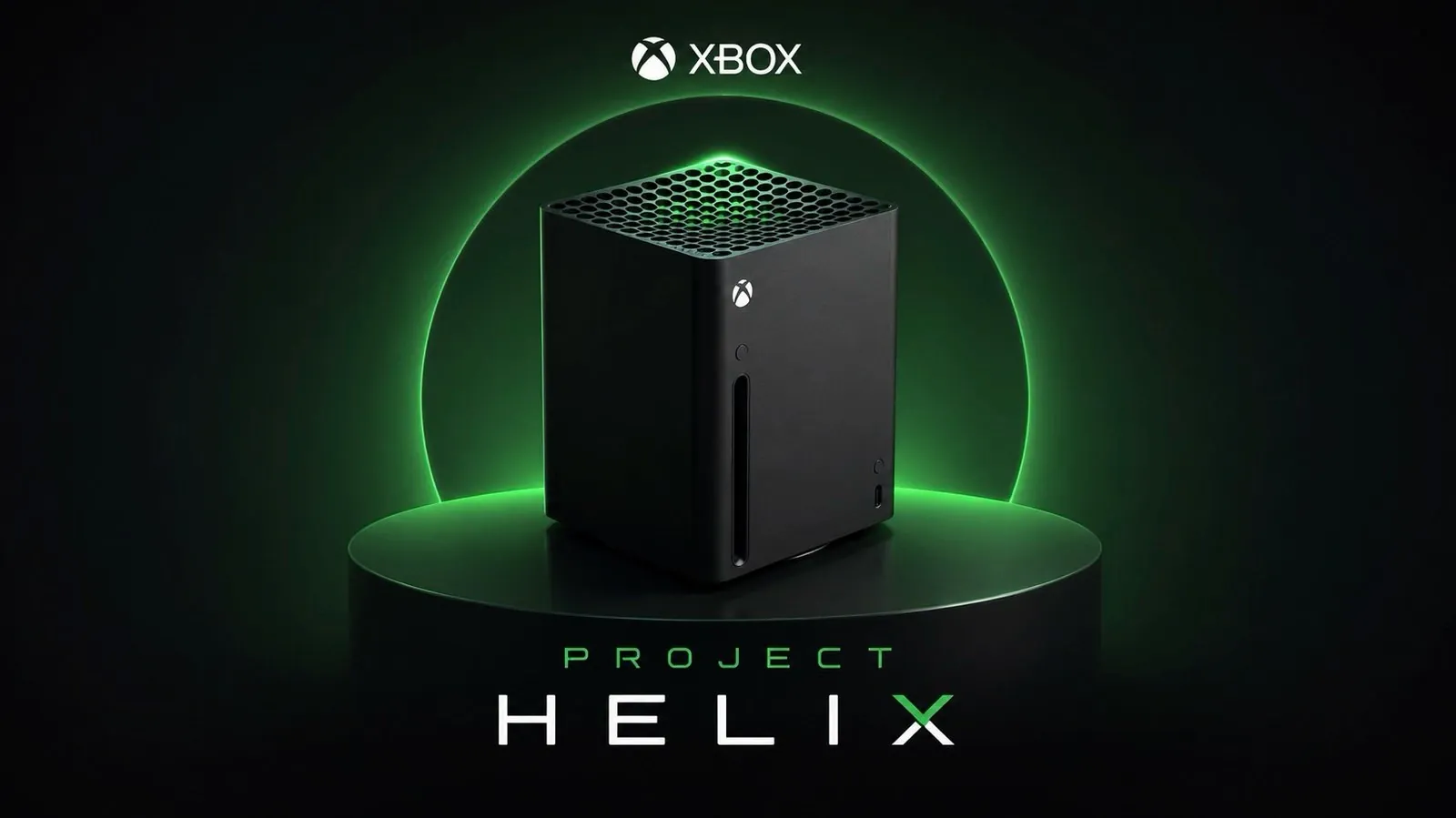
Microsoft’s latest gaming strategy, unveiled during the Summer Games Fest on June 10, 2026, reflects a deliberate balance between exclusivity and accessibility. NerdNest breaks down how this approach addresses key challenges in the gaming industry, such as platform compatibility and hardware shortages. For instance, two major Xbox exclusives, Gears of War Eday and Clockwork Revolution, will be limited to Xbox consoles and Windows PCs, reinforcing Microsoft’s ecosystem while maintaining interoperability. At the same time, popular titles like Call of Duty and Overwatch will remain multiplatform, making sure a broad reach without alienating players on other devices.
Explore how these strategies translate to tangible benefits for gamers, from the flexibility of multiplatform releases to the sustained support for existing hardware amid supply chain disruptions. You’ll gain insight into Microsoft’s Game Pass streaming initiative, which offers high-quality gaming without the need for expensive hardware and learn about new rent-to-own models designed to lower financial barriers. This feature provides a clear look at how Microsoft’s evolving approach aims to meet the needs of diverse players while navigating the realities of a competitive market.
Xbox Project Helix Development
TL;DR Key Takeaways :
- Microsoft is adopting a balanced gaming strategy, combining selective exclusivity with multiplatform accessibility to cater to diverse player preferences and expand its audience.
- Two new Xbox exclusives, Gears of War Eday and Clockwork Revolution, will be available only on Xbox consoles and Windows PCs, emphasizing ecosystem interoperability.
- Microsoft remains committed to honoring existing multiplatform agreements for titles like Forza 6, Halo Campaign Evolved, and Fable, reinforcing trust with players and developers.
- Global hardware shortages are impacting Microsoft’s next-gen console plans, leading to extended support for current hardware and exploration of innovative solutions like Game Pass streaming and rent-to-own models.
- The gaming industry is shifting toward a mix of exclusivity and accessibility, with Microsoft using this trend to provide more flexibility, inclusivity and tailored gaming experiences for players.
Exclusivity: A Targeted and Strategic Approach
Microsoft is adopting a more selective approach to exclusivity, using it as a tool to strengthen its ecosystem while maintaining flexibility. Two highly anticipated Xbox exclusives, Gears of War Eday and Clockwork Revolution, were unveiled as part of this initiative. These titles will be available exclusively on Xbox consoles and Windows PCs, reinforcing Microsoft’s focus on interoperability within its ecosystem. This ensures that players can access exclusive content without being restricted to a single device.
At the same time, Microsoft recognizes the importance of multiplatform releases in reaching a broader audience. Popular live-service and multiplayer games such as Call of Duty, Diablo, and Overwatch will continue to be supported across multiple platforms. This dual strategy allows Microsoft to explore the advantages of exclusivity while maintaining its relevance in the wider gaming market. For you, this means access to a diverse range of games, whether you prefer exclusive titles or multiplatform experiences.
Multiplatform Games: Honoring Commitments
Microsoft has also reaffirmed its dedication to previously announced multiplatform titles, making sure consistency and trust with players and developers alike. Games such as Forza 6, Halo Campaign Evolved, and Fable will remain available on other platforms as originally promised. This decision highlights Microsoft’s commitment to honoring its agreements, even as it refines its overall strategy.
By balancing exclusive and multiplatform releases, Microsoft is positioning itself as a player-focused company that values flexibility and inclusivity. This approach not only broadens its audience but also strengthens its reputation in an industry where consumer trust is paramount. For gamers, this means enjoying a mix of exclusive and widely accessible titles, catering to a variety of preferences and platforms.

Expand your understanding of Project Helix with additional resources from our extensive library of articles.
- Xbox Project Helix Specs Leak: Why Microsoft’s New Console is Amazing
- Asher Sharma’s Xbox Reveal: Project Helix Details and Halo Remakes Confirmed
- The Death of the Console War: Why Project Helix is Both a PC and an Xbox
- Budget Xbox Project Helix S Series Leaked : Priced At $200
- Microsoft Reveals More About Project Helix and the Future of Xbox
- Xbox Project Helix Insiders Just Revealed the Radical New Dashboard
- Inside Project Helix: Microsoft’s Console-PC Hybrid Coming In 2027
- Why Xbox’s Leaked $1,200 Project Helix Console Might Actually Be a Bargain
- Inside Xbox’s 33% Hardware Sales Drop and the Radical Plan to Fix It
- PS6 vs Xbox Helix : Which Next-Gen Console Will Cost You More?
Hardware Challenges: Navigating Supply Chain Disruptions
Global supply chain disruptions, including what has been termed the “RAM Apocalypse,” have significantly impacted Microsoft’s hardware strategy. The next-generation console, codenamed Project Helix, is undergoing re-evaluation as shortages of key components like RAM and rising production costs create challenges for affordability and availability. These issues are not unique to Microsoft but reflect broader struggles across the gaming industry.
For gamers, these challenges could result in longer console generation cycles, with extended support for existing hardware. This shift may reduce the pressure to upgrade frequently, offering a more sustainable approach to gaming. However, it also emphasizes the need for innovation in delivering high-quality gaming experiences without relying solely on innovative hardware.
Innovative Models for Accessibility
In response to these hardware challenges, Microsoft is exploring alternative business models to make gaming more accessible. Central to this strategy is Game Pass streaming, which allows players to enjoy high-quality games without the need for expensive hardware. This cloud-based solution enables you to access a vast library of games on a variety of devices, from smartphones to older PCs.
Additionally, Microsoft is testing rent-to-own models, designed to lower financial barriers for new players. These initiatives align with broader industry trends that prioritize convenience and accessibility. By embracing these models, Microsoft is not only adapting to current market conditions but also shaping the future of gaming by making it more inclusive and flexible for players worldwide.
Industry Trends: Balancing Exclusivity and Accessibility
The gaming industry is undergoing a significant transformation, with a growing emphasis on multiplatform strategies and selective exclusivity. While exclusive content remains a valuable tool for platform differentiation, it is being used more strategically to complement broader accessibility goals. This shift reflects the increasing importance of reaching larger audiences and meeting the evolving expectations of players.
Microsoft’s approach exemplifies this balance. By combining exclusive content with multiplatform accessibility and innovative business models, the company is positioning itself to thrive in a rapidly changing market. For you, this means more choices, greater flexibility and a gaming experience tailored to your preferences. Whether you value innovative exclusives or the freedom to play across multiple platforms, Microsoft’s strategy aims to deliver on both fronts.
Media Credit: NerdNest
Disclosure: Some of our articles include affiliate links. If you buy something through one of these links, Geeky Gadgets may earn an affiliate commission. Learn about our Disclosure Policy.
