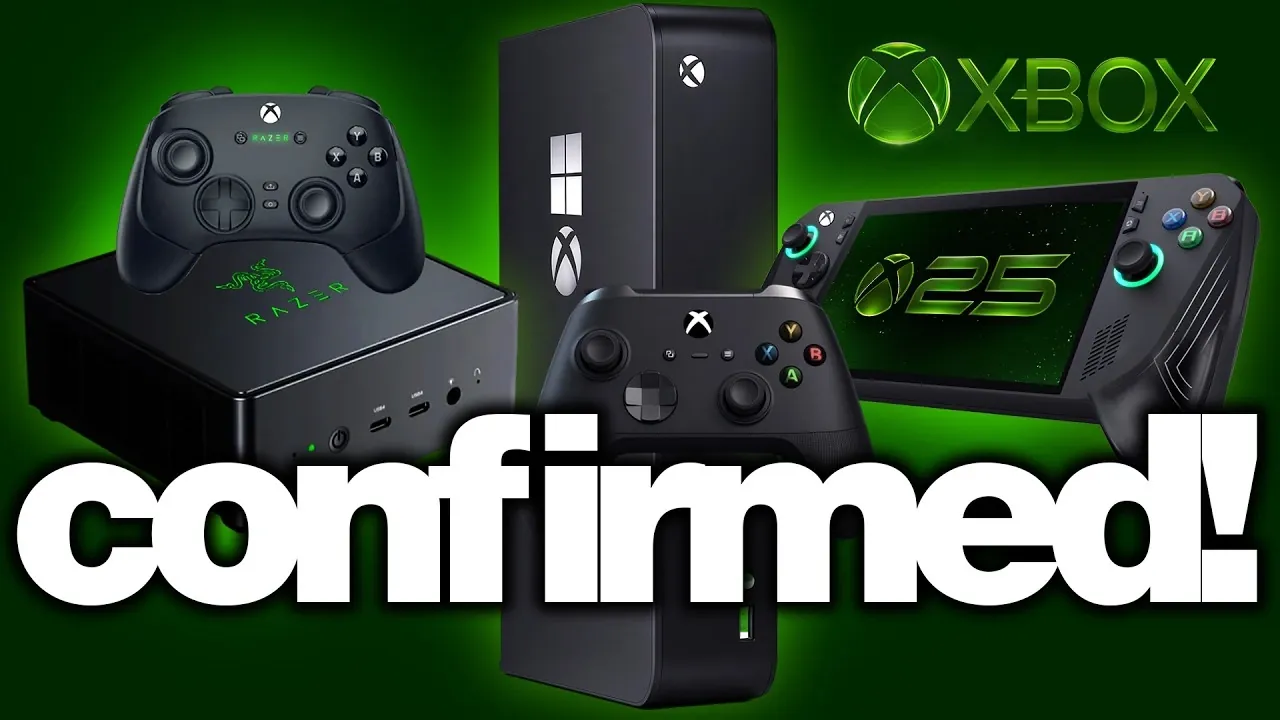
Xbox has officially announced an early release date for Project Helix, an initiative focused on unifying hardware, software and gaming platforms under a cohesive ecosystem. At the core of this project is the Xbox Magnus chip, developed in collaboration with AMD, which includes a neural processing unit (NPU) designed to enhance AI-driven features and support advanced technologies such as ray tracing and 120 FPS rendering. As outlined by Colt Eastwood, the Magnus chip’s scalability plays a critical role in maintaining consistent performance across consoles, PCs and handheld devices, reinforcing Xbox’s commitment to cross-platform functionality.
Dive into the specifics of Project Helix, including its three hardware categories: hybrid consoles, Xbox-integrated PCs and portable gaming devices, each designed to meet different user needs. Learn about the modular design approach made possible through OEM collaborations, allowing upgrades like expanded RAM and storage. Additionally, explore how backward compatibility ensures that classic Xbox and Xbox 360 titles remain playable on next-generation systems, preserving access to a wide range of games.
The Xbox Magnus Chip: A Technological Milestone
TL;DR Key Takeaways :
- Xbox’s Project Helix introduces a unified gaming ecosystem powered by the next-gen Xbox Magnus chip, offering seamless performance across consoles, PCs and handheld devices.
- The Xbox Magnus chip, developed with AMD, features advanced technologies like AI-driven enhancements, ray tracing and up to 120 FPS rendering, making sure scalability and consistent performance across platforms.
- Three hardware categories, Helix Console, Xbox PCs and Handheld Devices, cater to diverse gamer preferences, providing flexibility and on-the-go gaming without compromising quality.
- Backward compatibility is a key focus, allowing players to enjoy enhanced versions of older Xbox and Xbox 360 games, preserving gaming history while bridging generational gaps.
- Partnerships with brands like ASUS and Razer enable modular hardware designs, offering customizable options for gamers with varying budgets and performance needs, while aiming for a November 2027 launch of first-party consoles.
The Xbox Magnus chip, developed in collaboration with AMD, serves as the technological backbone of Project Helix. This advanced processor is designed to deliver unparalleled performance across multiple devices. Key features include a neural processing unit (NPU) for AI-driven enhancements, a high-performance GPU capable of rendering stunning visuals and support for innovative technologies such as ray tracing and up to 120 frames per second (FPS) rendering.
What sets the Magnus chip apart is its scalability. Whether you’re gaming on a console, PC, or handheld device, the chip ensures consistent performance and seamless integration across platforms. This adaptability is central to Xbox’s vision of a unified ecosystem, allowing gamers to enjoy a cohesive experience regardless of their preferred device.
Three Hardware Categories Tailored to Gamers
Project Helix introduces three distinct hardware categories, each designed to meet the unique preferences and lifestyles of gamers. These categories highlight Xbox’s commitment to providing options that cater to a wide range of needs:
- Helix Console: A hybrid device that combines the power of a traditional Xbox console with the versatility of a PC. This option is perfect for gamers who demand high performance and adaptability in one package.
- Xbox PCs: Windows-based PCs that integrate the Xbox app and, in some cases, support Xbox console games. These devices are ideal for PC gamers who want access to Xbox-exclusive titles and seamless cross-platform functionality.
- Handheld Devices: Portable systems designed to support both Xbox console and PC games. Fully integrated into the Xbox ecosystem, these devices offer on-the-go gaming without compromising performance or quality.

Expand your understanding of Xbox Helix with additional resources from our extensive library of articles.
- Project Helix Leaks Reveal a $1,200 Hybrid Xbox Coming In 2027
- Project Helix Specs and Release Window Confirmed in Latest Xbox Strategy Update
- Microsoft Reveals More About Project Helix and the Future of Xbox
- Estimated $800 Xbox Project Helix Launches in November 2027
- PS6 vs. Xbox Helix: Who Wins the Next-Gen Power War?
- Microsoft Reportedly Drops Steam from Xbox Project Helix
- PlayStation 6 and Xbox Project Helix Arrive in 2027 From $800
- Inside the Massive Xbox 2026 Games Showcase
- How the RAM Apocalypse is Changing Microsoft’s Next Xbox Console
- What Asha Sharma Revealed About Xbox Studio Closures and Project Helix
Backward Compatibility: Preserving Gaming History
Backward compatibility is a cornerstone of Project Helix, making sure that your existing game library remains relevant and accessible. Using a Microsoft-developed emulator, Project Helix allows you to play original Xbox and Xbox 360 games on next-generation devices. These older titles benefit from enhanced graphics and improved performance, breathing new life into classic games.
This feature not only preserves your investment in past games but also bridges the gap between generations, allowing players to revisit beloved titles while enjoying modern enhancements. By prioritizing backward compatibility, Xbox demonstrates its commitment to honoring gaming history while embracing the future.
OEM Partnerships and Modular Design for Customization
To expand its hardware offerings, Xbox has partnered with leading brands such as ASUS, Razer, Samsung and Dell. These collaborations will result in hybrid devices featuring modular components, including upgradeable RAM and storage. This modular design enables gamers to customize their hardware based on performance needs and budget, offering a level of flexibility rarely seen in gaming devices.
Whether you’re a casual gamer seeking affordability or a performance enthusiast looking for innovative capabilities, this approach ensures that you can find a device tailored to your specific requirements. By embracing modularity, Xbox is making high-performance gaming more accessible and adaptable than ever before.
Release Timeline and Ecosystem Goals
The Xbox Magnus chip entered early manufacturing in 2024, with developer kits expected to be available by spring 2027. The first-party console launch is scheduled for November 2027, marking a significant milestone in Xbox’s journey toward a unified gaming ecosystem.
Beyond hardware, Xbox is focusing on enhancing game ownership and cross-platform accessibility. By integrating Xbox-exclusive titles into PCs and hybrid devices and offering free online services through the Xbox network, the company aims to create a seamless and inclusive gaming experience. This strategy underscores Xbox’s commitment to breaking down barriers between platforms and fostering a more connected gaming community.
Flexibility and Market Impact
Project Helix is designed with flexibility at its core, offering a range of devices to suit different budgets and performance needs. Whether you prefer an affordable console, a high-end customizable PC, or a portable handheld device, Xbox provides options that cater to your preferences.
This approach not only broadens the appeal of Xbox hardware but also bridges the gap between console and PC gaming. By reviving interest in older Xbox-exclusive titles and introducing innovative hardware solutions, Xbox is well-positioned to attract a wider audience. The emphasis on flexibility and backward compatibility ensures that Project Helix will resonate with both long-time Xbox fans and newcomers to the platform.
As the November 2027 launch date approaches, the gaming community is eagerly anticipating the impact of Project Helix. With its focus on advanced technology, modular design and a unified ecosystem, Xbox is poised to reshape the gaming market and set a new standard for the industry.
Media Credit: colteastwood
Disclosure: Some of our articles include affiliate links. If you buy something through one of these links, Geeky Gadgets may earn an affiliate commission. Learn about our Disclosure Policy.
