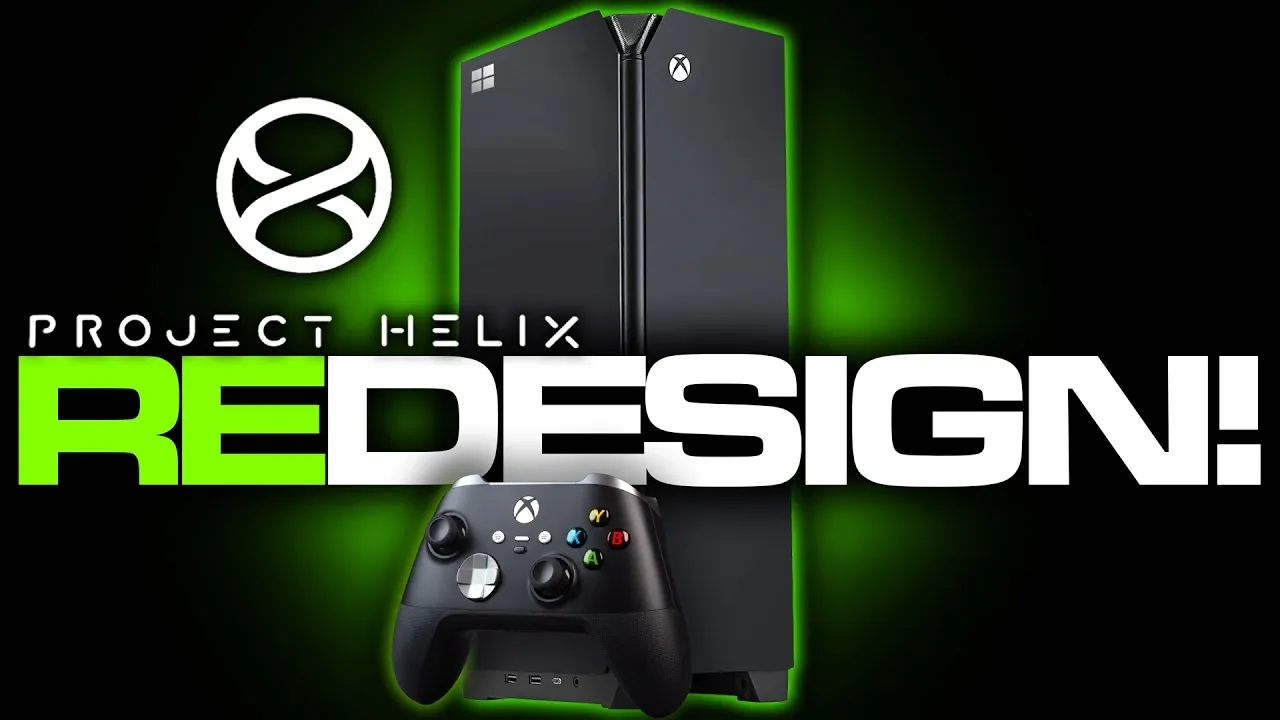
Microsoft’s upcoming Xbox Project Helix is undergoing a significant redesign under the leadership of Asha Sharma, reflecting a shift in its approach to third-party storefront access. Initially envisioned as a hybrid system blending PC and console gaming, the Helix was expected to support platforms like Steam and the Epic Games Store. However, as Colt Eastwood highlights, Microsoft is now reconsidering this open-platform model due to concerns about revenue loss and ecosystem control. By potentially restricting direct access to external storefronts, the company aims to prioritize its own marketplace while maintaining the Helix’s core appeal as a versatile gaming system.
Dive into key insights about how these changes could shape the Helix’s user experience and market positioning. Explore the implications of Microsoft’s evolving strategy for gamers who value cross-platform compatibility and gain insight into how the company plans to balance affordability with premium hardware. This deep dive also examines the broader challenges of sustaining profitability in a competitive gaming landscape, offering a closer look at the trade-offs driving these pivotal decisions.
Project Helix Redesign
TL;DR Key Takeaways :
- Microsoft’s Xbox Project Helix, a hybrid PC-console system, is set to launch in November 2026, aiming to merge PC gaming flexibility with console accessibility for a seamless cross-platform experience.
- Initially planned as an open platform supporting third-party storefronts like Steam, Microsoft is reconsidering this approach to prioritize its own ecosystem and maintain profitability.
- With an estimated price range of $800 to $1,200, Project Helix targets gamers seeking high-performance hardware and hybrid capabilities, balancing premium features with affordability.
- Microsoft is emphasizing cross-platform compatibility and strategic partnerships with publishers like Ubisoft to expand the game library and attract a diverse audience.
- Project Helix aims to stand out in the competitive gaming market by offering a unique hybrid design that bridges PC and console gaming, appealing to gamers who value innovation and versatility.
Project Helix represents a new evolution in gaming hardware according to Microsoft, combining the versatility of PC gaming with the streamlined simplicity of a console. This hybrid system enables you to access both PC and console game libraries through a unified interface, delivering a cohesive and intuitive gaming experience. Designed with living room setups in mind, the Helix offers high-performance gaming capabilities while maintaining the user-friendly interface that console players expect. Its advanced hardware ensures compatibility with demanding titles, making it an appealing choice for gamers who value both power and adaptability.
The system’s hybrid nature allows you to enjoy the best of both worlds. Whether you prefer the expansive customization options of PC gaming or the plug-and-play convenience of consoles, Project Helix is designed to cater to your needs. By bridging these two ecosystems, Microsoft aims to create a device that appeals to a wide spectrum of gamers, from casual players to hardcore enthusiasts.
Shifts in Third-Party Storefront Access
Initially envisioned as an open platform, Project Helix was expected to support third-party storefronts such as Steam and the Epic Games Store. This feature would have allowed you to purchase and play games from external platforms directly on the console, enhancing its versatility. However, Microsoft is reportedly reconsidering this approach due to concerns about revenue loss and ecosystem control. Internal data suggests that when third-party storefronts are accessible, purchases on the Xbox platform decline significantly.
To address this challenge, Microsoft may implement restrictions on direct access to external platforms. Instead, you might need to use other devices to purchase games outside the Xbox ecosystem. This strategic adjustment underscores Microsoft’s focus on maintaining profitability while delivering a robust gaming experience. By prioritizing its own storefront, the company aims to ensure a steady revenue stream while still offering a compelling product.

Deep dive into the latest in Xbox Project Helix by exploring our other resources and articles.
- Asher Sharma’s Xbox Reveal: Project Helix Details and Halo Remakes Confirmed
- Budget Xbox Project Helix S Series Leaked : Priced At $200
- Project Helix Leaks Reveal a $1,200 Hybrid Xbox Coming In 2027
- Microsoft Reveals More About Project Helix and the Future of Xbox
- Inside Xbox’s 33% Hardware Sales Drop and the Radical Plan to Fix It
- Project Helix Specs and Release Window Confirmed in Latest Xbox Strategy Update
- How the RAM Apocalypse is Changing Microsoft’s Next Xbox Console
- Estimated $800 Xbox Project Helix Launches in November 2027
- Why Xbox’s Radical Project Helix Shift Changes Console Gaming Forever
- Inside the Massive Xbox 2026 Games Showcase
The Profitability Challenge
The concept of an open platform presents unique challenges to Microsoft’s traditional revenue model. Historically, console manufacturers have subsidized hardware costs by relying on software sales to generate profits. Allowing unrestricted access to third-party storefronts could disrupt this model, potentially reducing revenue from game sales and subscriptions. Microsoft’s internal analysis indicates that an open ecosystem might undermine its financial sustainability, prompting a reevaluation of its strategy.
This shift highlights the delicate balance Microsoft must strike between openness and profitability. While an open platform could attract a broader audience, it also risks eroding the company’s primary revenue streams. As the launch date approaches, Microsoft’s ability to navigate these challenges will be critical to the success of Project Helix. By carefully managing these competing priorities, the company aims to deliver a product that meets both consumer expectations and business objectives.
Pricing Strategy: Balancing Premium Features with Accessibility
The pricing of Project Helix reflects its advanced hardware and hybrid capabilities, positioning it as a premium product in the gaming market. Estimated to cost between $800 and $1,200, the console is designed to compete with high-performance PCs while remaining accessible to a broad audience. Microsoft is reportedly cautious about exceeding the $1,000 price point, recognizing the importance of affordability in attracting a diverse range of buyers.
This pricing strategy is aimed at appealing to both console gamers and PC users considering an upgrade. By offering a device that combines the strengths of both platforms, Microsoft hopes to capture the interest of gamers who value performance, versatility and convenience. The Helix’s competitive pricing underscores the company’s commitment to delivering value without compromising on quality.
Cross-Platform Compatibility and Strategic Partnerships
To strengthen its position in the competitive gaming market, Microsoft is emphasizing cross-platform compatibility and forming strategic partnerships with key industry players. Collaborations with publishers such as Ubisoft are expected to expand the console’s game library, making it more appealing to a diverse audience. By offering access to existing PC game libraries, Project Helix aims to attract PC gamers who value continuity and convenience.
These efforts highlight Microsoft’s commitment to creating a versatile gaming ecosystem that caters to a variety of preferences. Whether you’re a console gamer looking for high-end performance or a PC user seeking a more streamlined experience, Project Helix is designed to meet your needs. By fostering partnerships and prioritizing compatibility, Microsoft is positioning the Helix as a unique and compelling option in the gaming market.
Standing Out in a Competitive Market
In a crowded gaming market dominated by competitors like PlayStation and Nintendo, Project Helix seeks to differentiate itself through its hybrid design and high-end performance. Unlike traditional consoles, the Helix targets gamers who demand flexibility, power and broader game compatibility. This approach positions it as a unique offering, appealing to those who prioritize innovation and versatility over conventional gaming experiences.
By focusing on these strengths, Microsoft aims to carve out a distinct niche for Project Helix. The console’s ability to bridge the gap between PC and console gaming sets it apart from its competitors, making it an attractive option for gamers seeking a more integrated and adaptable gaming experience.
Leadership and Vision
Under the leadership of Asha Sharma, Microsoft is taking a forward-thinking approach to the development of Project Helix. Sharma’s focus on innovation and adaptability reflects a commitment to addressing market demands while avoiding past missteps. The redesign of Project Helix demonstrates Microsoft’s willingness to evolve its strategy, balancing profitability with user experience.
By prioritizing these elements, Sharma is steering the company toward a more sustainable and competitive gaming ecosystem. Her leadership underscores Microsoft’s dedication to delivering a product that not only meets consumer expectations but also sets a new standard for the gaming industry.
A Pivotal Moment for Gaming
Xbox Project Helix represents a significant step forward for Microsoft and the gaming industry as a whole. By integrating PC and console gaming into a single device, it promises to redefine how you experience games. However, the potential restrictions on third-party storefronts highlight the complexities of balancing openness with financial sustainability. As the November 2026 launch approaches, Microsoft’s ability to navigate these challenges will be critical to the success of this ambitious project.
With its innovative design, strategic partnerships and focus on user experience, Project Helix is poised to make a lasting impact on the gaming landscape. By addressing the needs of a diverse audience and adapting to market demands, Microsoft is setting the stage for a new era in gaming.
Media Credit: colteastwood
Disclosure: Some of our articles include affiliate links. If you buy something through one of these links, Geeky Gadgets may earn an affiliate commission. Learn about our Disclosure Policy.
