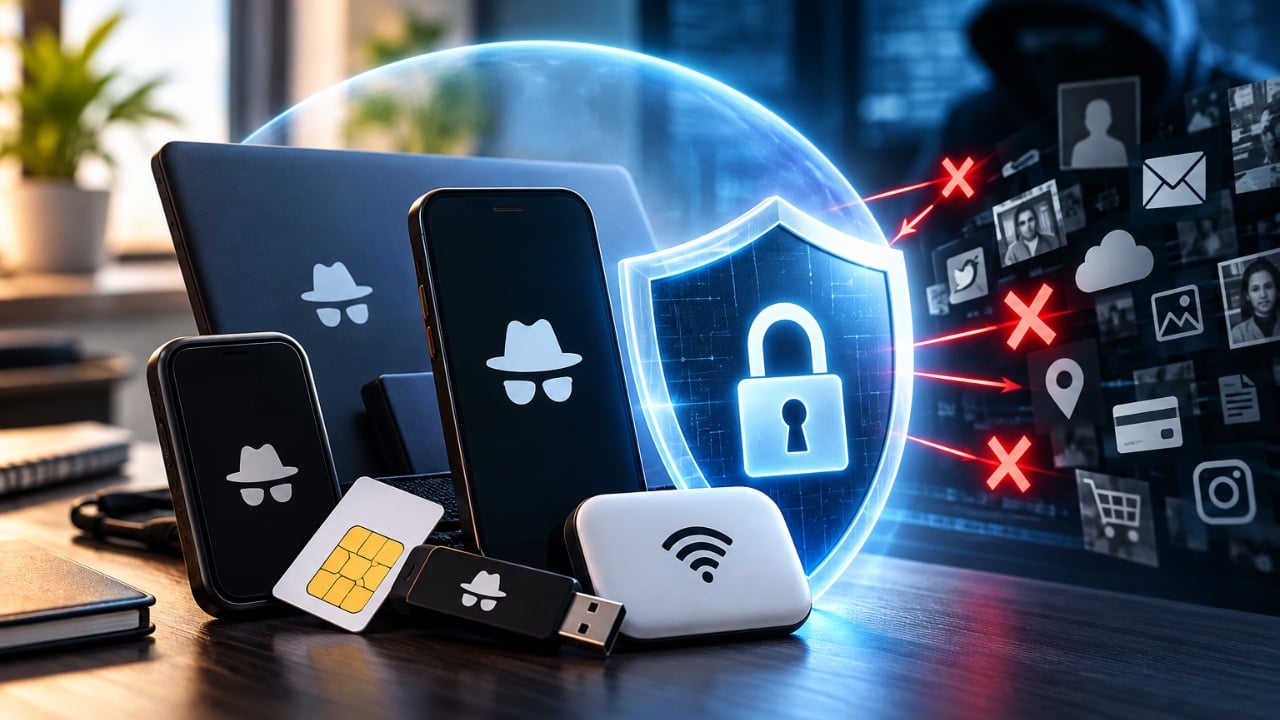
According to YouGov research, 61% of Americans consider limiting who has access to their data to be “very important.” But only 33% of people take “moderate care” to protect their data.
As concerns over data privacy grow, using “burner” online tools and accounts is becoming a common solution.
Why Are People Using Burner Digital Tools and Accounts?
People are using disposable tools and accounts to maintain their privacy and reduce the traces they leave online. Using burners can keep your primary accounts free for communications and services that matter.
So many of the websites and platforms we use daily demand email addresses and other details. But each new provider you sign up with can add to the risk of data compromises and spam messages.
How Are People Protecting Their Privacy with Burner Tools and Services?
People are using three types of burner tools and services to strengthen their privacy.
Burner Email Address
A burner email address is a temporary account set up for a single purpose. You might create a disposable address when signing up for a free trial, for instance, or to download gated content.
As data breaches are commonplace, disposable email addresses are increasingly popular. In 2025 alone, more than 3,300 cases of data compromises occurred across the U.S.
Setting up a burner email address won’t prevent your account from being hacked. But it will keep your main email address from being involved in a breach, and hackers will have a harder time sneaking into connected accounts. You won’t have spam sent to your main account either.
Masked Phone Numbers
Masking a phone number helps protect the caller or recipient’s privacy. A dedicated cloud platform routes the call to a number and keeps the number hidden.
People are more likely to mask their number to stop businesses from adding it to a database for marketing. Companies may also sell customer details, including numbers, to advertisers. Withholding your number reduces the likelihood of unwanted calls and messages.
Temporary Profiles
Burner accounts are similar to disposable email addresses. But instead of just setting up an email account, users create a whole temporary profile.
You may create a secondary Instagram account (or a “Finsta”) to post content that doesn’t align with your usual output. Using a Finsta may help users avoid having their primary account banned or receiving targeted ads on their main feed.
What Privacy Habits Will Keep Your Data Safe Online?
Developing strong long-term privacy habits will help you keep your data safe and manage unwanted messaging.
Encrypt Your Internet Connections
Creating an encrypted internet connection will scramble your data to prevent anyone else from intercepting it. Using a virtual private network (VPN) is the simplest way to encrypt connections.
You can choose from different types of VPN plans. Do your research, and decide whether a weekly, monthly, or a lifetime VPN deal is best for you.
Reduce the Number of Online Services You Use
Some online services are essential to your personal and professional activities. We all like streaming a movie at the end of a long day or letting a tool automate mundane tasks. But you may have created accounts for more services than you can use.
The more accounts you have, the more ways hackers have to access your data. Try to close unnecessary accounts. If you can’t close an account, at least maximize its security to reinforce your privacy.
Try Privacy-Focused Browsers
Chrome is the go-to browser for many of us. But it collects plenty of data to support its advertising model and personalization system.
Browsers with a tighter focus on privacy are becoming more popular. DuckDuckGo is one of the leading Chrome alternatives. It blocks trackers and doesn’t collect data like Chrome does.
Firefox is another well-known private browser. It includes various features, such as Total Cookie Protection, to enhance your privacy.
Keep Your Security Updated
Updating your device, software, and account security often will help you maintain your privacy. New security patches plug gaps that hackers may use to slip inside your accounts and gather data. Updates can also introduce new privacy features that let you adjust tracking, advertising, and communication settings.
Improving Your Privacy and Data Security
Burner tools offer users more control over who has access to their data and how it’s used. You may only need to make small, gradual changes to your online activities to maintain data privacy.
Creating single-use email addresses and accounts can soften the impact of hacks by leaving primary accounts safe. Using private browsers and encrypting traffic will reinforce your data’s safety, too. Over time, developing privacy-focused habits will make a difference to your privacy.
Disclosure: Some of our articles include affiliate links. If you buy something through one of these links, Geeky Gadgets may earn an affiliate commission. Learn about our Disclosure Policy.
