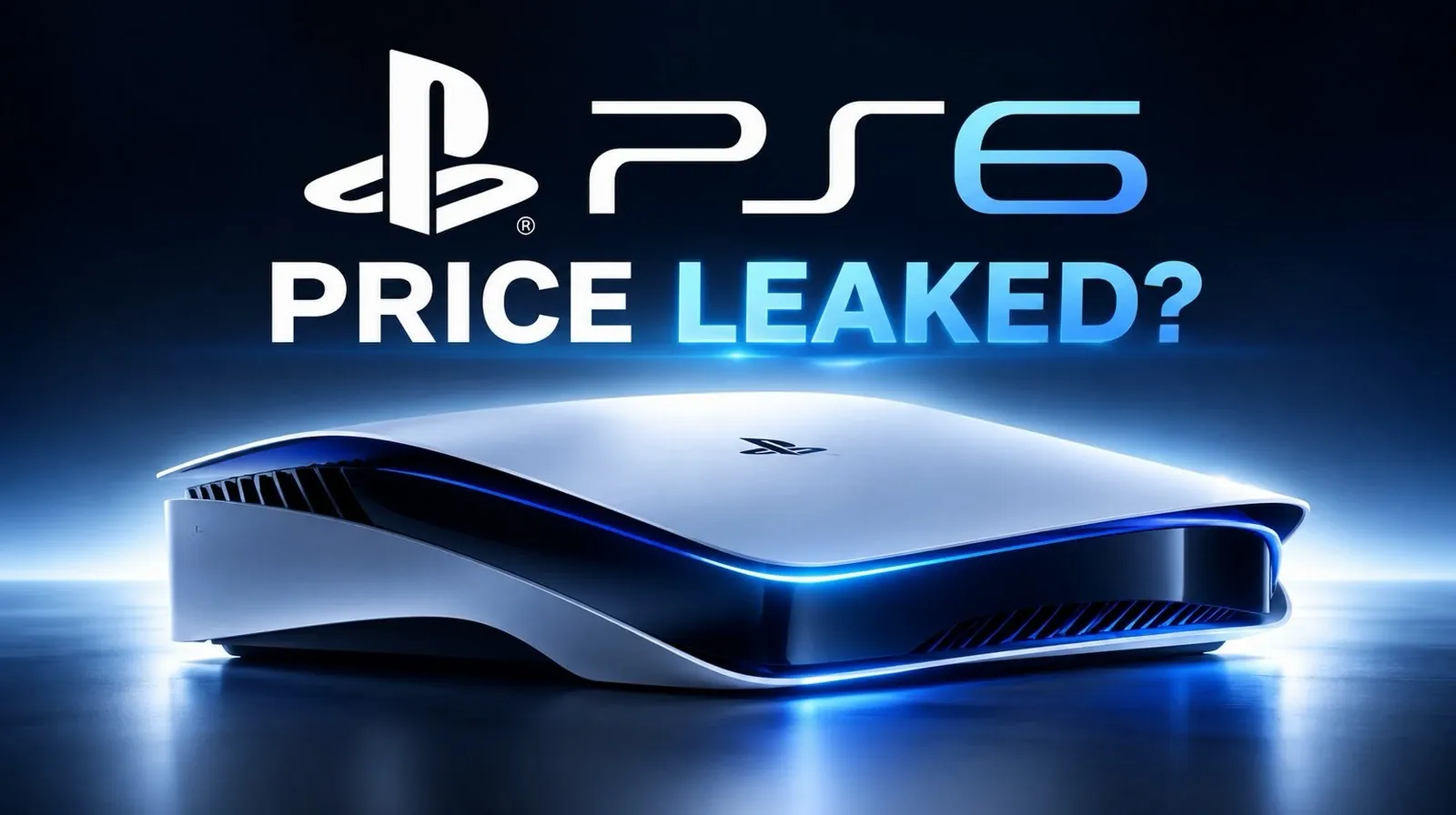
Reports suggest the PlayStation 6 (PS6) could launch with a price tag between $1,200 and $1,500, marking a notable increase compared to previous consoles. According to RGT 85, this steep pricing reflects the inclusion of advanced components like high-performance RAM and SSDs, which aim to deliver faster load times and improved gameplay experiences. However, these enhancements coincide with global economic challenges, such as inflation and heightened demand for AI-related hardware, potentially complicating affordability for many gamers.
Discover how these pricing trends might influence adoption rates and the development of exclusive PS6 titles. Learn whether the console’s upgraded features justify its cost or if the PS5 remains a more viable option for most players. By examining these factors, you can better understand the broader implications for both consumers and the gaming industry.
What’s Driving the Price Increase?
TL;DR Key Takeaways :
- The PlayStation 6 (PS6) is rumored to launch with a price between $1,200 and $1,500, driven by rising production costs, advanced components like high-performance RAM and SSDs and global economic pressures.
- Production costs for the PS6 have surged, with RAM and SSDs alone accounting for over $680 per unit, alongside increased competition for AI hardware components.
- Economic challenges, including inflation and reduced consumer spending, may limit the PS6’s market reach, making it more appealing to affluent gamers while slowing adoption rates.
- Sony’s strategic shift toward monetization through microtransactions and DLC raises concerns about affordability and the overall gaming experience, especially with a limited library of exclusive games.
- Technological advancements in the PS6, such as improved visuals and frame rates, may feel incremental rather than innovative, prompting some gamers to stick with the PS5, which remains a strong and cost-effective option.
The sharp rise in the PS6’s production costs has been a focal point of discussion. Early estimates from January 2026 placed the cost per unit at approximately $760, but by mid-year, this figure had climbed to $960, with further increases anticipated. The primary drivers of this surge are the advanced components required to deliver the PS6’s promised performance enhancements.
- RAM and SSD Costs: These components, critical for achieving faster load times and smoother gameplay, now account for over $680 of the total production cost. Their rising prices reflect both technological advancements and supply chain challenges.
- AI Hardware Demand: The global demand for high-performance hardware, particularly for artificial intelligence applications, has created a competitive market. This competition has driven up the cost of components that gaming consoles also rely on, further inflating production expenses.
For you, this means the PS6’s price is not only a reflection of its innovative technology but also a byproduct of broader economic and industrial pressures.
Economic Pressures and Market Challenges
The PS6’s potential price point emerges at a time when global economic challenges could significantly impact its market reception. Inflation, coupled with reduced discretionary spending, has made it increasingly difficult for many consumers to justify splurging on premium products, including gaming consoles.
- Consumer Budgets: With the cost of living continuing to rise, fewer gamers may be willing, or financially able, to invest in a console priced above $1,000. This could limit the PS6’s reach to a smaller, more affluent segment of the market.
- Component Competition: The growing demand for AI hardware has intensified competition for essential components, further driving up production costs and complicating pricing strategies for gaming hardware manufacturers.
These economic pressures could lead to a slower adoption rate for the PS6, potentially discouraging developers from creating exclusive titles for the platform. For you, this raises an important question: will the PS6 offer enough unique value to justify its steep price, especially when the PS5 remains a strong contender?
Impact on Consumers and the Gaming Industry
The high price of the PS6 is likely to deter a significant portion of potential buyers, particularly since the PS5 continues to deliver a robust gaming experience. Sony has already confirmed that many upcoming games will be compatible with both the PS5 and PS6, reducing the urgency for consumers to upgrade.
- Consumer Choices: If the PS5 continues to support new titles and maintain its reputation for high-quality gameplay, you may find it more practical to stick with the current generation rather than investing in the PS6.
- Developer Hesitation: A lower adoption rate for the PS6 could result in fewer exclusive games being developed for the platform. This, in turn, could diminish the console’s appeal and create a cycle of reduced value for consumers.
For you, this dynamic creates a challenging decision: invest in the PS6 for its potential future benefits or remain with the PS5, which still offers a compelling gaming experience at a more accessible price point.

Find more information on PlayStation 6 by browsing our extensive range of articles, guides and tutorials.
- Sony’s PlayStation 6 Details Leaks: First Look at the Next-Gen Console
- PlayStation 6 and Xbox Project Helix Arrive in 2027 From $800
- Rumoured Massive 26-Teraflop Xbox Project Helix Pits It Against PlayStation 6
- AI Memory Demand Could Push PlayStation 6 Handheld Over $600
- When Will the PlayStation 6 Actually Launch? Why a 2028 Release Date is Now Expected
- Sony Ends Physical PlayStation Discs Starting in January 2028
- PS6 Everything We KnowSo Far : Rumours, Release Date, Price & Specifications
- PlayStation May Phase Out All Physical Game Discs By 2028
- Xbox Project Helix Confirmed for a November 2027 Launch
- PS6: The TRUTH About Sony’s PlayStation 6 [First Details Revealed]
Sony’s Strategic Shift
Sony appears to be adopting a strategic shift in its approach to revenue generation, focusing more heavily on microtransactions and downloadable content (DLC) rather than prioritizing affordability in its hardware offerings. While this strategy may help offset rising production costs, it also raises concerns about its impact on the overall gaming experience.
- Monetization Models: The increased reliance on in-game purchases could alienate gamers who prefer a more traditional, upfront pricing model. For you, this might mean factoring in not just the console’s initial cost but also the potential long-term expenses associated with gaming on the PS6.
- Content Gaps: The PS5 has faced criticism for its limited library of exclusive games and underrepresentation of classic PlayStation franchises. If these issues persist with the PS6, you may question whether the new console offers enough innovation to justify its cost.
This shift in strategy underscores the importance of evaluating not just the PS6’s hardware capabilities but also the broader ecosystem of games and services it supports.
Technological Advancements: Incremental or Innovative?
The PS6 promises several technological upgrades designed to enhance the gaming experience, including improved lighting technology, higher frame rates and more immersive visuals. However, these advancements may feel more incremental than innovative, particularly when compared to the already impressive capabilities of the PS5.
- Incremental Improvements: Features like better lighting and smoother frame rates are undoubtedly appealing, but they may not be enough to justify the PS6’s high price for many gamers, especially if the PS5 continues to deliver a comparable experience.
- Extended PS5 Lifecycle: Some industry analysts suggest that Sony could benefit from focusing on optimizing the PS5’s capabilities rather than rushing to release a new console. This approach could create a more balanced and accessible gaming market for consumers like you.
Ultimately, your decision to upgrade will likely depend on whether these enhancements significantly improve your gaming experience and align with your expectations.
Broader Implications for the Gaming Industry
The potential price of the PS6 highlights larger challenges within the gaming industry, particularly the risk of alienating consumers with high-cost hardware. A console priced beyond the reach of many gamers could have a ripple effect, influencing everything from consumer accessibility to industry trends.
- Consumer Accessibility: High prices may push gaming further out of reach for a significant portion of the market, potentially shrinking the overall audience for console gaming.
- Industry Trends: The PS6’s success, or failure, could set a precedent for how future consoles are priced and marketed, shaping the direction of the gaming industry for years to come.
As the gaming industry navigates these challenges, the PS6’s launch could serve as a pivotal moment, influencing not only consumer behavior but also the strategies of developers and manufacturers. For you, the decision to invest in the PS6 will hinge on whether its features, exclusive content and overall value align with your expectations and budget.
Media Credit: RGT 85
Disclosure: Some of our articles include affiliate links. If you buy something through one of these links, Geeky Gadgets may earn an affiliate commission. Learn about our Disclosure Policy.
