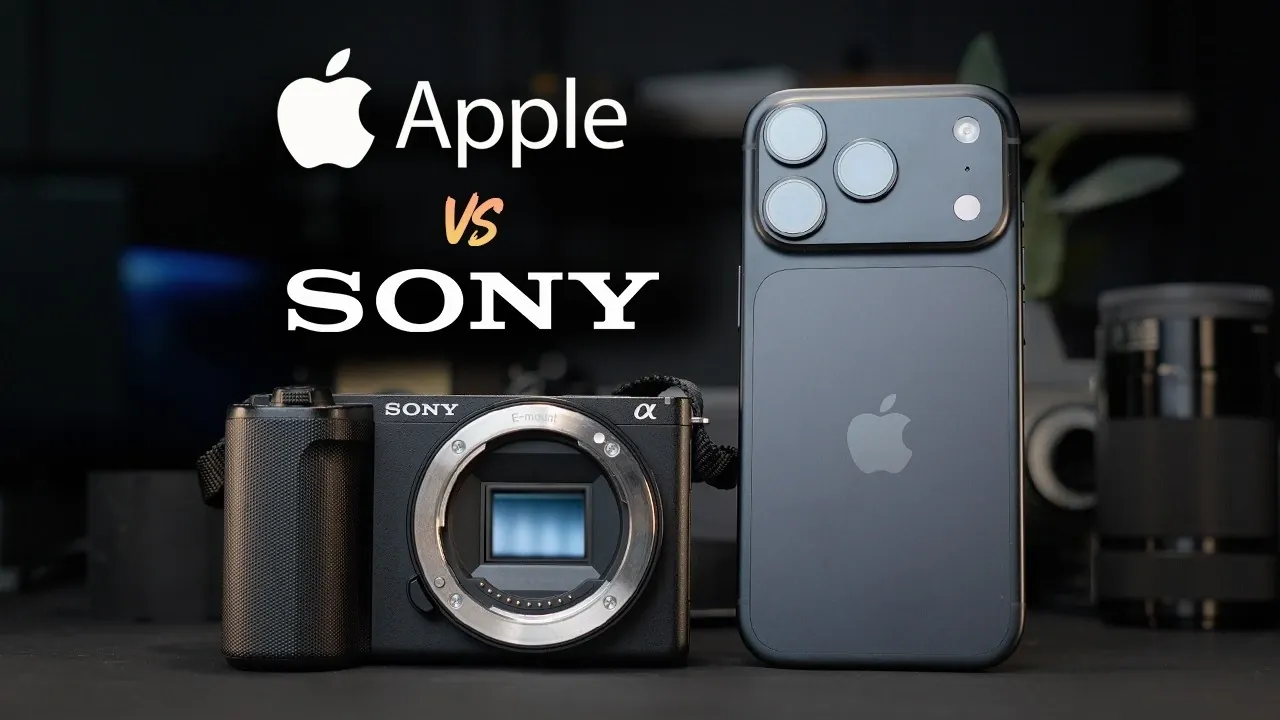
The Film Alliance examines the iPhone 18 Pro and Sony ZV-E10 Mark II, two devices designed for different approaches to photography and videography. The iPhone 18 Pro features a triple-camera system with Apple Log 2, allowing extended dynamic range and advanced color grading options. In contrast, the Sony ZV-E10 Mark II offers a 26MP APS-C sensor and interchangeable lenses, delivering professional-grade image quality and flexibility for controlled shooting environments. These differences highlight the iPhone’s focus on portability and computational imaging versus the Sony’s emphasis on sensor performance and creative adaptability.
Discover how each device performs in areas like dynamic range, stabilization and creative workflow options. Learn where the iPhone’s computational imaging shines and where it may face challenges in professional settings. Gain insight into the Sony camera’s ability to use its larger sensor and lens options for greater creative control, while also weighing the compromises in portability and convenience.
TL;DR Key Takeaways :
- The iPhone 18 Pro excels in portability, ease of use and computational photography, making it ideal for casual users and everyday content creation.
- The iPhone 18 Pro features a versatile triple-camera system with advanced stabilization and Apple Log 2 for enhanced dynamic range and creative control.
- The Sony ZV-E10 Mark II offers professional-grade image quality with a 26MP APS-C sensor, interchangeable lenses and superior color accuracy for creative flexibility.
- The Sony ZV-E10 Mark II is better suited for planned shoots and professional projects, but its portability is limited compared to the iPhone 18 Pro.
- Choosing between the two depends on priorities: the iPhone 18 Pro is best for convenience and quick captures, while the Sony ZV-E10 Mark II is ideal for professionals seeking uncompromising visual performance.
iPhone 18 Pro: Compact Powerhouse with Computational Photography
The iPhone 18 Pro is designed for users seeking a high-quality camera in a sleek, user-friendly device. Its triple-camera system includes an ultra-wide lens (13mm), a main lens (24mm) with a variable aperture and a telephoto lens (100mm). This versatile setup makes it a reliable choice for capturing a wide range of scenes, from landscapes to portraits.
One of the standout features of the iPhone 18 Pro is its advanced computational photography. With Apple Log 2, the device enhances dynamic range, capturing intricate details in both highlights and shadows. This feature is particularly useful for color grading, offering greater creative control over the final look of your photos and videos. Additionally, the iPhone’s electronic stabilization ensures smooth handheld video, even in challenging conditions such as low light or motion-heavy scenarios.
However, the reliance on computational techniques can sometimes result in oversaturated colors or overly bright mid-tones, especially in low-light environments. While this may appeal to casual users who prefer vibrant and polished results, professionals might find the output less true-to-life compared to traditional cameras.
Sony ZV-E10 Mark II: Professional-Grade Image Quality and Creative Freedom
The Sony ZV-E10 Mark II is tailored for content creators who demand exceptional image quality and creative control. Its 26MP APS-C sensor offers superior dynamic range, excellent low-light performance and remarkable sharpness. The ability to use interchangeable E-mount lenses further enhances its versatility, allowing users to adapt to various shooting scenarios, from detailed portraits to expansive landscapes.
A key strength of the ZV-E10 Mark II is its color accuracy. The camera delivers realistic and natural-looking footage, even in challenging lighting conditions. This makes it an excellent choice for professionals who prioritize true-to-life visuals. However, its active stabilization is less effective than the iPhone’s electronic stabilization, which means you may need additional equipment, such as a gimbal, for smoother video in certain situations.
While the Sony camera excels in creative flexibility, it is less portable and often requires supplementary gear, including lenses and stabilization tools. This makes it better suited for planned shoots rather than spontaneous captures, where portability and convenience are critical.

Gain further expertise in iPhone 18 Pro by checking out these recommendations.
- Early iPhone 18 Reports Point to Major Unconfirmed Shifts
- iPhone 18 Pro Max Leaks: 10 Massive Upgrades Coming to Camera, Screen and Battery
- Early iPhone 18 Pro Max Leak Reveals the Upgrade We’ve Been Waiting For
- Just Leaked: 10 Huge Upgrades for the iPhone 18 Pro Max
- Early First Look at the Expected iPhone 18 Pro Design
- Apple May Keep the iPhone 18’S Best New Feature Exclusive to the Pro Max
- iPhone 18 Pro Max: Final Leaks Drop Hours Before Apple’s Event
- 12 iPhone 18 Pro Max Upgrades Leaked : but Only a Few Are Game-Changers
- 10 Rumored iPhone 18 Pro Max Upgrades You Need to Know
- iPhone 18 Pro Max is Reportedly Losing Its Best Feature
Head-to-Head Performance
When comparing the two devices, the iPhone 18 Pro stands out for its portability, ease of use and stabilization capabilities. It is an excellent choice for casual users who want a reliable camera for everyday moments. The variable aperture on its main lens is particularly useful for controlled environments, such as product photography, where depth of field can be adjusted to achieve the desired effect.
In contrast, the Sony ZV-E10 Mark II is the superior option for scenarios where image quality and creative flexibility are paramount. Its larger sensor and interchangeable lenses provide professional photographers and videographers with the tools needed to achieve cinematic results. Whether you’re working in low light or aiming for a specific artistic vision, the Sony camera delivers unmatched performance.
Who Should Choose What?
- iPhone 18 Pro: Ideal for users who prioritize portability, quick access and advanced computational features. It is perfect for casual photography, travel and everyday content creation.
- Sony ZV-E10 Mark II: Best suited for professionals or serious hobbyists who demand high-quality visuals, creative control and the ability to customize their setup with interchangeable lenses.
Both devices excel in their respective domains, making sure that users can find the right tool to meet their photography and videography needs. Whether you’re capturing spontaneous moments or crafting a professional project, the choice ultimately depends on your priorities and creative goals.
Media Credit: The Film Alliance
Disclosure: Some of our articles include affiliate links. If you buy something through one of these links, Geeky Gadgets may earn an affiliate commission. Learn about our Disclosure Policy.
