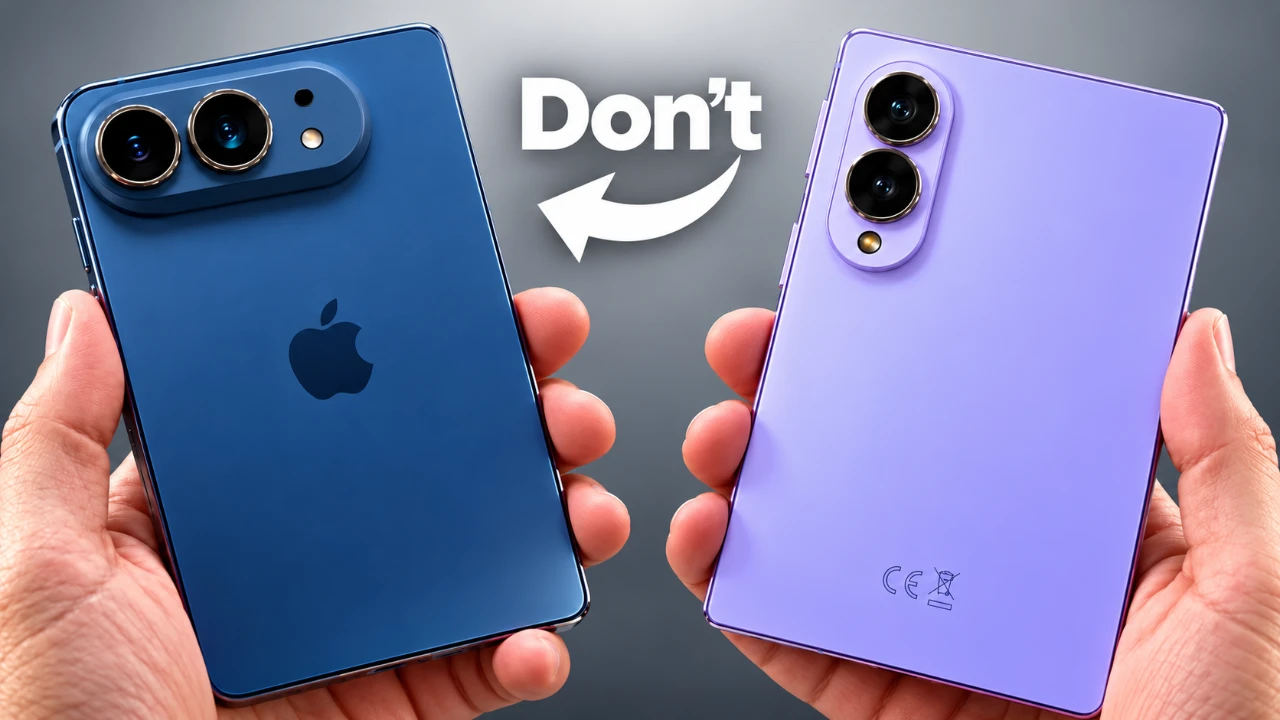
The iPhone Duo and Galaxy Z Fold 8 represent the pinnacle of foldable smartphone technology, showcasing the latest advancements in design, functionality, and innovation. However, these devices cater to different priorities, with notable distinctions in pricing, features, and usability. While Apple’s first entry into the foldable market introduces intriguing innovations, Samsung’s extensive experience in this segment offers a more refined and reliable alternative. Understanding the key differences between these devices is essential for making an informed decision. The video below gives us more details on how the new iPhone Duo compares to the Galaxy Z Fold 8.

Pricing: Balancing Cost and Value
Price remains a critical factor for many consumers when considering a premium foldable smartphone. The iPhone Duo is positioned as a more expensive option compared to the Galaxy Z Fold 8, with significant price disparities across various regions.
- In the US, the iPhone Duo is priced $100 higher than the Galaxy Z Fold 8.
- In the UK, the price gap widens to £300, while in Europe, it ranges between €300 and €340.
- In markets like India and South Korea, the Z Fold 8 offers even better value, with its 1TB model priced lower than the 256GB variant of the iPhone Duo.
For budget-conscious buyers seeking premium features, the Galaxy Z Fold 8 provides a more cost-effective option without compromising on performance or functionality.
Repair Costs and Long-Term Affordability
Beyond the initial purchase price, repair costs significantly impact the long-term affordability of foldable smartphones. The iPhone Duo’s inner display repair costs $999 in the US, a stark contrast to the Galaxy Z Fold 8’s $419 repair cost. While Apple Care Plus can mitigate these expenses, it adds $200 annually, further increasing the overall cost of ownership.
Samsung’s more affordable repair costs make the Galaxy Z Fold 8 a less financially risky investment over time, particularly for users concerned about potential damage to their device.
Multitasking and Productivity Features
Both devices support multitasking, but the Galaxy Z Fold 8 offers a more versatile and productivity-focused experience. Samsung’s advanced features include:
- The ability to run up to three apps simultaneously, enhancing multitasking efficiency.
- Floating windows for seamless navigation and improved productivity.
- Samsung Dex, which transforms the device into a desktop-like interface for professional use.
In comparison, the iPhone Duo supports dual-app multitasking but lacks these additional functionalities. Furthermore, the Duo omits features such as reverse wireless charging and physical SIM support, relying exclusively on eSIM technology. These limitations may reduce its appeal for users who prioritize flexibility and convenience in their devices.
Design, Portability and Customization
Design and usability are critical considerations for foldable smartphones. Despite both devices featuring a 7.6-inch inner screen, the iPhone Duo is heavier and thicker than the Galaxy Z Fold 8. This added bulk may affect portability and ease of use, particularly for users who prioritize a lightweight and compact design.
Samsung’s One UI also offers greater customization options, allowing users to tailor the interface to their preferences. For those who value a seamless and personalized user experience, the Galaxy Z Fold 8 provides a more adaptable platform.
Camera Capabilities: A Creator’s Perspective
Camera performance is a key differentiator for many users, particularly content creators and photography enthusiasts. Both devices feature dual rear cameras, but the Galaxy Z Fold 8 excels with advanced photography and videography features, including:
- Manual pro video controls for precise adjustments and creative flexibility.
- 8K video recording for capturing ultra-high-definition content.
While the iPhone Duo delivers reliable camera performance, it lacks these advanced features, which could be a deciding factor for users who prioritize innovative camera technology.
Durability and Reliability: Proven Experience vs New Innovation
Durability is a significant concern for foldable devices, given their complex designs. The iPhone Duo introduces notable improvements, such as enhanced dust resistance, a refined hinge mechanism and a less noticeable crease on the inner display. However, as Apple’s first foldable device, its long-term reliability remains untested.
In contrast, Samsung’s eight generations of foldable devices demonstrate a proven track record of durability and performance. For users seeking a device with established reliability, the Galaxy Z Fold 8 offers a safer and more dependable choice.
Making the Right Choice
The iPhone Duo brings fresh innovations to the foldable market, showcasing Apple’s commitment to pushing technological boundaries. However, its higher price, limited multitasking capabilities and unproven durability may make it a less compelling option for many users. On the other hand, Samsung’s Galaxy Z Fold 8 benefits from years of refinement, offering advanced multitasking features, superior value and a proven track record of reliability.
Ultimately, the choice between these devices depends on individual priorities. For those seeking a versatile, cost-effective and reliable foldable smartphone, the Galaxy Z Fold 8 emerges as the more practical option. However, users intrigued by Apple’s design philosophy and ecosystem may find the iPhone Duo worth considering, especially as more user feedback becomes available.
Below are more guides on Foldable smartphones from our extensive range of articles.
- Samsung Galaxy Z Fold 8 Ultra: All the Upgrades That Make It a True ‘Ultra’
- iPhone Ultra Leaks: Apple’s Foldable Might Start At $2,299
- Samsung Galaxy Z Roll 5G: The End of the Foldable Phone Crease?
- Samsung Galaxy Z Fold 8: 5 MASSIVE Leaks You Need to See!
- iPhone Duo: What You Need to Know Before Spending $1,999
Source & Image Credit: Techtics
Disclosure: Some of our articles include affiliate links. If you buy something through one of these links, Geeky Gadgets may earn an affiliate commission. Learn about our Disclosure Policy.
