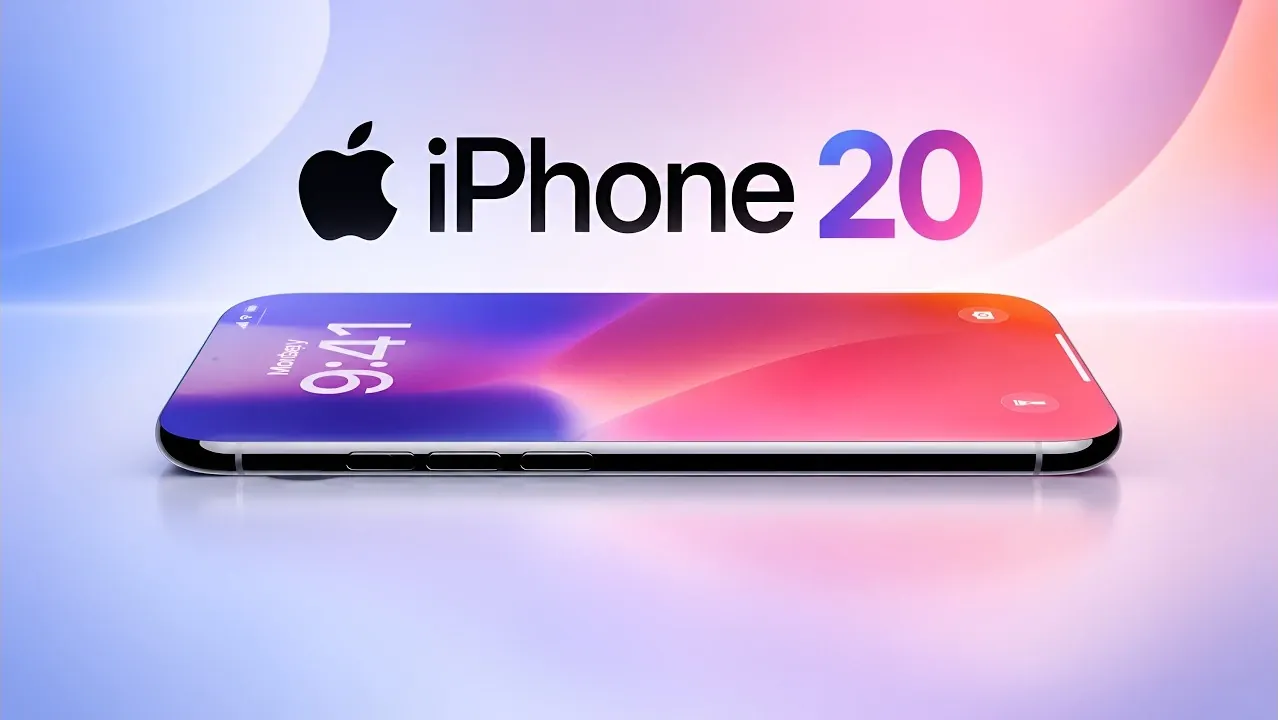
Apple is reportedly exploring a nearly edge-to-edge display for the iPhone 20. The company is targeting bezels around 1 mm wide, as Demon’s Tech reports, although the design is not confirmed. Apple is also said to be testing Face ID sensors beneath the screen, while a silicon-based battery could offer more capacity without making the phone noticeably thicker. Camera upgrades and solid-state buttons are among the other possibilities, but the expected 2027 model remains speculative. Discover why these changes could matter to you and what is known about pricing.
iPhone 20: Apple’s Potential Anniversary Model
TL;DR Key Takeaways :
- Model and timing: Apple could skip the iPhone 19 name for an iPhone 20 expected in September 2027.
- Display design: Apple is reportedly testing four-sided curved glass, with some reports suggesting bezels around 1 mm.
- Face ID: Apple is reportedly exploring under-display Face ID, which could eliminate the Dynamic Island.
- Camera sensor: A November leak suggests Apple could be exploring a sensor with 17 nm logic circuitry.
- Pro pricing: Early estimates put the Pro’s starting price at $1,299 or potentially higher.
Apple could move straight from the iPhone 18 generation to the iPhone 20, skipping the iPhone 19 name, though that remains speculation. The name would mark 20 years since Steve Jobs introduced the original iPhone in 2007, and Apple could position the model as an ultra-premium anniversary flagship.
Apple’s previous anniversary model, the iPhone X, arrived in 2017. Reports about its possible successor point to display, camera and internal hardware changes that could make it a comparable turning point. If most of the discussed upgrades materialize, it could be Apple’s biggest smartphone redesign since the iPhone X.
Curved Glass Could Hide the Display Edges
Apple is reportedly experimenting with a quad-curved display, using glass that bends gently on all four sides rather than just the left and right edges. The curves could blend into the frame, while optical engineering could make the display’s edges appear almost invisible.
Some reports suggest Apple is targeting bezels around 1 mm. The company has reportedly tested both curved and conventional flat-glass prototypes.
Apple is also reportedly testing a 6.41-inch display for the Pro and a 6.96-inch panel for the Pro Max. Thinner OLED panels could use color filter on encapsulation, or COE, which could remove the traditional polarizing layer, letting more light through, reducing thickness and potentially improving panel efficiency. Whether it will arrive in a 2027 iPhone is uncertain.
What to expect from the anniversary Apple iPhone 20

Face ID Could Move Beneath the Screen
Apple is reportedly exploring under-display Face ID, which would place the facial-recognition sensors beneath the screen instead of visibly at the top. That could let Apple remove the Dynamic Island, the interactive camera cutout introduced with the iPhone 14 Pro, and could make for a bigger design change than curved glass.
A completely uninterrupted screen would require Apple to hide the selfie camera, too. Under-display cameras still face image-quality challenges, however, and Face ID requires precise sensor performance, so Apple could hide the facial-recognition hardware while retaining a small camera cutout.
Camera Rumors Point to New Sensor Technology
A November leak suggests Apple could be exploring a camera sensor with 17 nm logic circuitry as part of a completely redesigned camera system. The figure refers to the manufacturing process for the sensor’s electronics, not the size of its lens.
A more advanced sensor architecture could improve readout speeds, potentially reducing distortion around moving subjects and helping HDR and video capture. The emphasis would be on capturing more photo information rather than simply increasing megapixels.
Apple is also reportedly exploring LOFIC, a sensor technology that captures a wider range of brightness levels and could preserve detail in both bright and dark areas of a photo. Some reports discuss up to 20 stops of dynamic range with LOFIC.
Solid-State Buttons Could Simulate a Click
Apple is reportedly testing solid-state buttons that would use pressure sensors and haptic feedback instead of physically moving. The approach would be similar to a MacBook trackpad, which produces feedback electronically while feeling as though you are pressing it.
The technology could reach the side button, volume controls, action button and camera control. It could reduce mechanical wear, allow a cleaner frame and improve water resistance, though reliability would be a concern when the phone runs out of battery.
Silicon Batteries Could Add Capacity
Apple is reportedly exploring silicon anode batteries for future iPhones. Traditional batteries use graphite-based anodes, while silicon can theoretically store more lithium ions, potentially providing more capacity in a similar space.
That could mean longer battery life without making the iPhone noticeably thicker. Silicon batteries have durability challenges, particularly because they expand during charging cycles, and their arrival in 2027 is not guaranteed.
New Memory and Chips Remain Speculative
Apple is reportedly exploring mobile high-bandwidth memory, which stacks memory components vertically to transfer data more efficiently. Future Apple Intelligence features and more advanced on-device AI models could need more memory bandwidth, prompting changes to the phone’s internal architecture.
The iPhone 20 Pro is expected to use a next-generation processor, potentially called the A21 Pro, with anticipated gains in processing, graphics and energy efficiency. Apple could also develop a next-generation C-series modem for better connectivity and power consumption, but the chip and modem details are speculative.
Pro models could also become more expensive, with early estimates putting the Pro’s starting price at $1,299 or potentially higher. September 2027 is the expected launch window, following Apple’s usual fall schedule. The proposed name and features remain subject to change before any announcement.
A fully uninterrupted display could make screen design and selfie quality a trade-off, rather than two separate things to look for in your next phone. For anyone interested in a future Apple phone with a redesigned user experience, the rumored iPhone 20 is worth watching as more details emerge.
Uncover more insights about iPhone 20 leaks and design in previous articles we have written.
- Apple’s Secret iPhone 20 Plans Will Completely Rewrite the Smartphone Playbook
- The iPhone 20 Pro Max Is Shaping Up to Be Apple’s Biggest Design Shift Ever
- Huge iPhone 20 Leak Teases a Radical Display Redesign and Bigger Screens
- iPhone 20 Leaks: 8 Major Upgrades Planned for Apple’s 20Th Anniversary
- iPhone 20 Pro Leaks Reveal Apple’s Most Radical Display Upgrade Ever
Source & Image Credit: Demon’s Tech
Disclosure: Some of our articles include affiliate links. If you buy something through one of these links, Geeky Gadgets may earn an affiliate commission. Learn about our Disclosure Policy.
