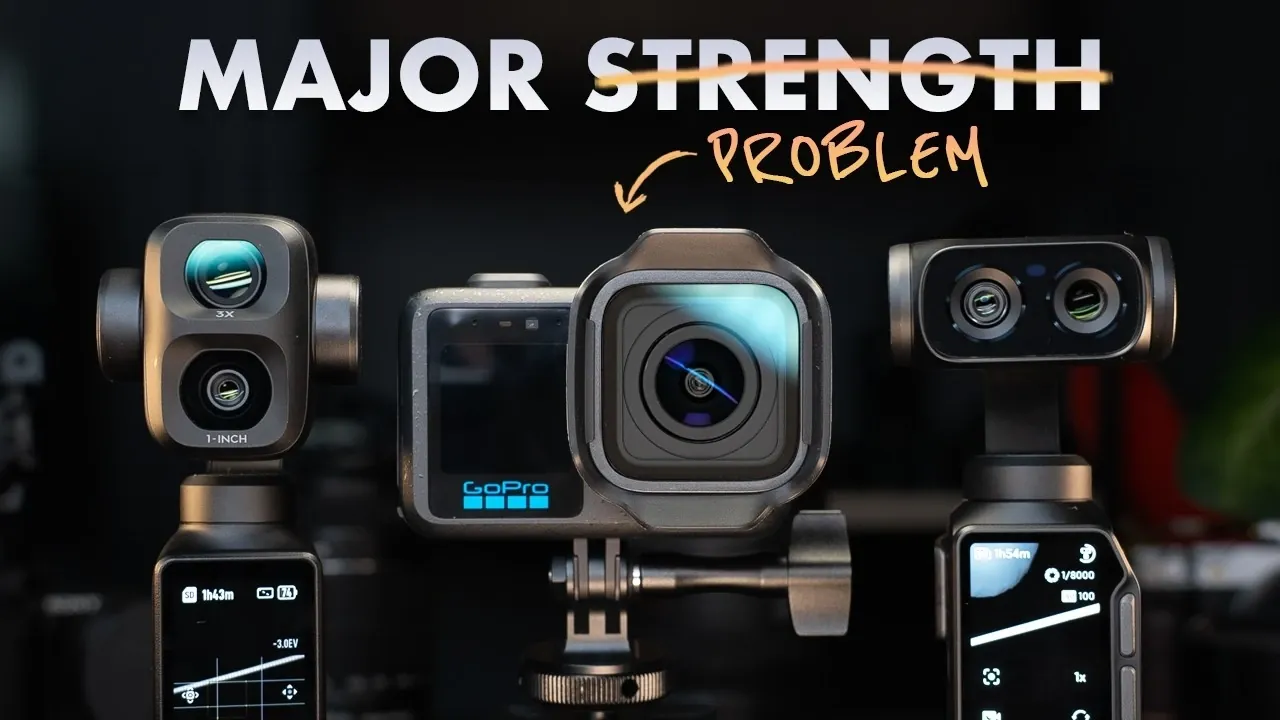
Compact cameras have become essential for creators seeking high-quality video in portable designs and choosing the right one depends on your specific needs. The Film Alliance examines three standout models, the Osmo Pocket 4P, Insta360 Luna Ultra, and GoPro Mission 1 Pro—to highlight their strengths and limitations. For instance, the Osmo Pocket 4P offers a dual-lens system with 20mm and 60mm focal lengths, 4K recording at 240fps and an impressive 17 stops of dynamic range, making it a compelling choice for filmmakers prioritizing cinematic quality. Each camera brings unique features to the table, catering to different creative goals and shooting conditions.
Explore how these cameras compare in areas like dynamic range, low-light performance and usability for vlogging or action shots. You’ll gain insight into which model excels in cinematic flexibility, which stands out in rugged environments and which offers the best balance of adaptability and ease of use. This breakdown will help you identify the camera that aligns most closely with your creative and practical requirements.
Key Features and Pricing
- The Osmo Pocket 4P offers exceptional cinematic quality with 17 stops of dynamic range, dual-lens system and 4K recording at 240fps, making it ideal for filmmakers, though it has limited U.S. availability.
- The Insta360 Luna Ultra excels in low-light performance, features 8K recording, a detachable touchscreen and versatile usability, making it a strong choice for diverse shooting conditions.
- The GoPro Mission 1 Pro is designed for action enthusiasts with its rugged build, waterproof design, ultra-wide lens and 8K recording at 60fps, but its limited focus distance and color accuracy hinder broader creative use.
- Dynamic range and color science vary across the cameras, with the Osmo Pocket 4P leading in dynamic range, the Insta360 Luna Ultra delivering vibrant colors and the GoPro Mission 1 Pro struggling in high-contrast and low-light scenarios.
- Choosing the right camera depends on your needs: the Osmo Pocket 4P is best for filmmakers, the Insta360 Luna Ultra for versatility and low-light and the GoPro Mission 1 Pro for extreme sports and rugged environments.
Each camera offers distinct features and pricing, catering to different user preferences and shooting scenarios. Here’s a detailed breakdown:
- Osmo Pocket 4P: Priced at approximately $575 (international purchase required in the U.S.), this camera features a dual-lens system with 20mm and 60mm focal lengths, 4K recording at 240fps and an impressive 17 stops of dynamic range. Its Dlog-M color profile enhances post-production flexibility, making it a top choice for filmmakers seeking cinematic quality.
- Insta360 Luna Ultra: At $769, the Luna Ultra offers an 8K recording capability at 30fps, a dual-lens setup and a detachable touchscreen that doubles as a wireless remote. Its standout low-light performance and versatility make it suitable for a variety of shooting conditions.
- GoPro Mission 1 Pro: With a price tag of $699, this rugged camera features a 50MP sensor, 8K recording at 60fps and 4K at 240fps. Its ultra-wide lens, waterproof design and built-in GPS make it an excellent choice for action-packed environments.
Performance Analysis
To determine which camera best suits your needs, it’s essential to evaluate their performance across critical areas such as dynamic range, color science, low-light capability and usability for specific scenarios.
Dynamic Range
Dynamic range is a key factor in capturing details in both shadows and highlights. The Osmo Pocket 4P leads with 17 stops of dynamic range, offering exceptional flexibility for cinematic footage. The Insta360 Luna Ultra performs well but falls slightly short of the Pocket 4P in this area. The GoPro Mission 1 Pro, while capable, struggles in high-contrast lighting conditions, making it less suitable for scenes with extreme highlights and shadows.
Color Science
Color rendering significantly impacts the visual appeal of your footage. The Insta360 Luna Ultra delivers vibrant and natural colors, particularly in outdoor settings. The Osmo Pocket 4P offers muted tones that are highly adaptable in post-production, catering to filmmakers who prefer to fine-tune their footage. The GoPro Mission 1 Pro, however, struggles with accurate skin tones and foliage rendering, especially in low-light environments, which may limit its appeal for certain creative projects.
Low-Light Performance
Low-light capability is crucial for shooting in dimly lit environments or at night. The Insta360 Luna Ultra excels in this category, producing sharp, well-balanced footage with minimal noise. The Osmo Pocket 4P performs admirably in low-light conditions but doesn’t quite match the Luna Ultra’s clarity and detail. The GoPro Mission 1 Pro, while functional, relies heavily on digital stabilization, which can introduce artifacts and reduce overall image quality in darker settings.
Usability for Specific Scenarios
- Vlogging: The Osmo Pocket 4P and Insta360 Luna Ultra are well-suited for vlogging due to their manageable focus distances and cinematic framing capabilities. The GoPro Mission 1 Pro, with its minimum focus distance of approximately 24 inches, is less practical for close-up shots, limiting its effectiveness for this purpose.
- Action Shots: The GoPro Mission 1 Pro shines in dynamic and rugged environments, thanks to its ultra-wide lens, durable build and waterproof design. However, the Osmo Pocket 4P and Insta360 Luna Ultra offer more controlled framing, making them versatile for a broader range of scenarios beyond action sports.

Expand your understanding of Osmo Pocket 4P with additional resources from our extensive library of articles.
- DJI Osmo Pocket 4P Global Launch is Finally Here
- Why DJI Kept the Osmo Pocket 4P Specs a Secret at Cannes
- Why the DJI Osmo Pocket 4P Might Disappoint Social Media Creators
- Why the DJI Pocket 4P Might Disappoint Modern Social Media Creators
- Inside the Massive DJI Osmo Pocket 4P Upgrade : 17 Stops of Dynamic Range & More
- What the DJI Pocket 4P’s Dual-Camera System Means for Creators
- How the Insta360 Luna Ultra Challenges DJI’s Cinematic Dominance
- DJI Osmo Pocket 4P: Uncovering Its Biggest Hidden Trade-Offs
- What the Latest DJI Osmo Pocket 4P Leaks Actually Mean
- What DJI Left Out of the Osmo Pocket 4P and Why It Matters
Strengths and Weaknesses
Each camera has distinct advantages and limitations, making them suitable for different types of users and creative projects:
- Osmo Pocket 4P: With its superior dynamic range, cinematic image quality and post-production flexibility, this camera is ideal for filmmakers and content creators seeking professional-grade results. However, its limited availability in the U.S. and occasional color accuracy issues with foliage may be drawbacks for some users.
- Insta360 Luna Ultra: This camera stands out for its versatility, detachable touchscreen and excellent low-light performance. While its skin tones can appear slightly digital in certain conditions, it remains a strong contender for most use cases, particularly for those who value adaptability and user-friendly features.
- GoPro Mission 1 Pro: Designed for action sports enthusiasts, it offers vibrant colors in bright conditions, a durable build and advanced stabilization. However, its significant minimum focus distance and limited post-production flexibility reduce its appeal for other creative applications.
Choosing the Right Camera
The decision ultimately depends on your priorities and shooting scenarios. The Osmo Pocket 4P emerges as the best overall option, thanks to its dynamic range, cinematic output and adaptability for professional projects. The Insta360 Luna Ultra is a close second, offering balanced performance, excellent low-light capabilities and user-friendly features that cater to a wide range of needs. For extreme sports enthusiasts, the GoPro Mission 1 Pro remains a solid choice, though its limitations make it less versatile for other purposes.
By carefully evaluating the strengths and weaknesses of these cameras, you can confidently select the one that best aligns with your creative vision and practical requirements.
Media Credit: The Film Alliance
Disclosure: Some of our articles include affiliate links. If you buy something through one of these links, Geeky Gadgets may earn an affiliate commission. Learn about our Disclosure Policy.
