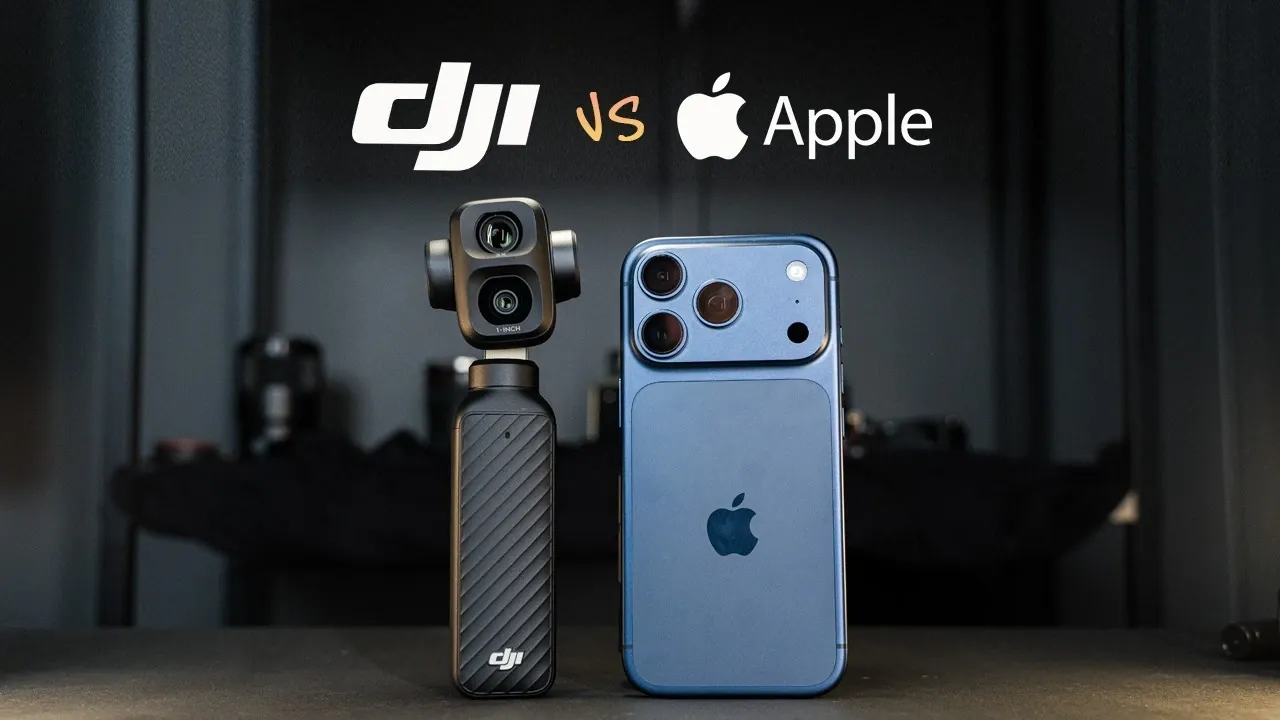
When comparing the Osmo Pocket 4P and the iPhone 17 Pro, the distinction lies in their design philosophies and target audiences. The Pocket 4P is a dedicated filmmaking device equipped with a 1-inch sensor, a mechanical gimbal and manual controls, making it ideal for creators who prioritize precision and stability in their work. In contrast, the iPhone 17 Pro offers a triple-camera system with computational photography and digital stabilization, catering to users who value convenience and versatility for both creative and everyday tasks. As highlighted by The Film Alliance, these differences underscore the importance of aligning your choice with your specific creative needs.
Explore how these devices perform across key areas, from color science to stabilization and post-production flexibility. Gain insight into the Pocket 4P’s strengths in delivering lifelike colors and smooth cinematic footage, as well as the iPhone 17 Pro’s ability to produce vibrant visuals and polished results with minimal effort. This breakdown will help you identify which device best suits your workflow, whether you’re focused on professional-grade video production or seeking a multi-functional solution for diverse creative projects.
Osmo Pocket 4P vs iPhone 17 Pro
TL;DR Key Takeaways :
- The Osmo Pocket 4P is a specialized tool for filmmakers, featuring a 1-inch sensor, mechanical gimbal and 4K video at 240fps for professional-grade precision and stability.
- The iPhone 17 Pro offers a versatile triple-camera system with computational photography, 48MP resolution and vibrant color science, making it ideal for casual and semi-professional creators.
- The Pocket 4P excels in natural color accuracy, manual controls and post-production flexibility, while the iPhone prioritizes convenience, vibrant visuals and quick outputs.
- Stabilization differs significantly: the Pocket 4P’s mechanical gimbal ensures smooth footage, whereas the iPhone relies on digital stabilization, which may struggle in dynamic or low-light conditions.
- Choosing between the two depends on creative priorities: the Pocket 4P is best for precision-focused professionals, while the iPhone 17 Pro suits users seeking an all-in-one, portable solution.
Camera Specifications: A Detailed Comparison
The Osmo Pocket 4P is equipped with a 1-inch main sensor, a 20mm equivalent lens and a 60mm telephoto lens with 3x optical zoom. Its standout feature is the built-in mechanical gimbal, which ensures smooth and stable footage, even in dynamic shooting conditions. This makes it a powerful tool for creators who demand professional-grade results.
In contrast, the iPhone 17 Pro features a triple-camera system:
- A 13mm ultrawide lens for expansive shots
- A 24mm main lens for versatile everyday photography
- A 100mm telephoto lens with 4x optical zoom for detailed close-ups
The iPhone relies on computational photography and digital stabilization to enhance its imaging capabilities. While it lacks a mechanical gimbal, its advanced software compensates by delivering high-quality results in most scenarios, making it a versatile choice for casual and semi-professional users.
Video Performance: Precision vs Versatility
For creators focused on cinematic video production, the Pocket 4P is the superior choice. It supports 4K video at 240fps, allowing exceptional slow-motion footage. The mechanical gimbal ensures smooth, professional-looking movement, even in challenging environments, making it ideal for filmmakers who require precision and stability.
The iPhone 17 Pro, while capable of producing high-quality video in well-lit conditions, has limitations in slow-motion performance and struggles in low-light scenarios. Its reliance on digital stabilization can introduce artifacts during fast or dynamic movements, which may affect the overall quality of the footage. However, its ease of use and accessibility make it a practical option for quick, on-the-go video recording.

Here are additional guides from our expansive article library that you may find useful on Osmo Pocket 4P.
- DJI Osmo Pocket 4P Global Launch is Finally Here
- Why DJI Kept the Osmo Pocket 4P Specs a Secret at Cannes
- Why the DJI Osmo Pocket 4P Might Disappoint Social Media Creators
- Why the DJI Pocket 4P Might Disappoint Modern Social Media Creators
- Inside the Massive DJI Osmo Pocket 4P Upgrade : 17 Stops of Dynamic Range & More
- What the DJI Pocket 4P’s Dual-Camera System Means for Creators
- How the Insta360 Luna Ultra Challenges DJI’s Cinematic Dominance
- DJI Osmo Pocket 4P: Uncovering Its Biggest Hidden Trade-Offs
- What the Latest DJI Osmo Pocket 4P Leaks Actually Mean
- What DJI Left Out of the Osmo Pocket 4P and Why It Matters
Color Science: Natural Accuracy vs Vibrant Appeal
Color science is a critical factor when evaluating these devices. The Pocket 4P excels in delivering natural, lifelike colors, making it ideal for creators who value accuracy and realism. It supports DLOG profiles, offering greater flexibility for color grading during post-production. This feature is particularly beneficial for professionals who require precise control over their final output.
The iPhone 17 Pro, on the other hand, emphasizes vibrant and punchy colors, which appeal to users seeking visually striking results straight out of the camera. It supports Apple Log 2, enhancing its dynamic range, but users may notice color shifts when zooming, which can impact the consistency of their footage. This makes the iPhone better suited for casual creators who prioritize convenience over fine-tuned accuracy.
Stabilization and Usability: Smoothness and Practicality
Stabilization is a key consideration for video creators. The Pocket 4P’s mechanical gimbal provides unmatched smoothness, delivering artifact-free footage even in dynamic shooting scenarios. Its dedicated design and intuitive controls make it a reliable tool for filmmakers who prioritize stability and precision.
The iPhone 17 Pro relies on digital stabilization, which performs well in many situations but can falter under certain conditions, such as rapid movements or low-light environments. However, its dual functionality as a smartphone and camera makes it a highly convenient option for users who need a versatile, all-in-one device for both creative and everyday tasks.
Photography: Resolution vs Realism
For still photography, the iPhone 17 Pro’s 48MP resolution gives it an edge in capturing fine details, especially in controlled lighting conditions. Its computational photography excels at enhancing skin tones and automatically optimizing images, making it a strong choice for casual photographers who want polished results with minimal effort.
The Pocket 4P, with its 37MP resolution, focuses on delivering accurate colors and natural tones. This makes it particularly well-suited for product photography, landscape shots, or scenarios where realism and precision are essential. While it may not match the iPhone’s resolution, its emphasis on color fidelity and manual control appeals to professionals who value creative flexibility.
Post-Production and Green Screen Performance
In green screen applications, the iPhone 17 Pro’s computational photography ensures smoother and faster results, making it a practical choice for users who need quick, polished outputs. Its software-driven approach simplifies the process, reducing the time required for editing.
The Pocket 4P, however, produces cleaner and more detailed footage, offering greater flexibility for post-production. While this requires more effort during editing, it allows professionals to fine-tune their work to achieve the desired level of quality. This makes the Pocket 4P a better option for creators who prioritize control and precision in their projects.
Creative Use: Specialized Tool vs Multi-Functional Device
The Pocket 4P stands out as a dedicated creative tool designed for filmmakers and videographers. Its manual controls, mechanical gimbal and robust features make it ideal for users who value precision and intentionality in their work. It is best suited for those who prioritize video production and are willing to invest in a specialized device.
In contrast, the iPhone 17 Pro shines as a versatile, all-in-one solution. It combines advanced camera capabilities with the convenience of a smartphone, making it a practical choice for users who need a reliable, multi-functional device. Whether capturing high-quality photos, recording videos, or performing everyday tasks, the iPhone offers a seamless experience that appeals to a wide range of users.
Choosing the Right Device for Your Needs
Deciding between the Osmo Pocket 4P and the iPhone 17 Pro ultimately depends on your creative priorities and workflow:
- If you are a professional or enthusiast seeking superior image quality, natural color science and a dedicated filming tool, the Pocket 4P is the better choice.
- If you value convenience, versatility and the ability to capture high-quality photos and videos on the go, the iPhone 17 Pro is an excellent option.
Both devices offer unique strengths, making sure that you can find the right fit for your creative projects. Carefully consider your specific needs and goals to determine which tool aligns best with your vision.
Media Credit: The Film Alliance
Disclosure: Some of our articles include affiliate links. If you buy something through one of these links, Geeky Gadgets may earn an affiliate commission. Learn about our Disclosure Policy.
