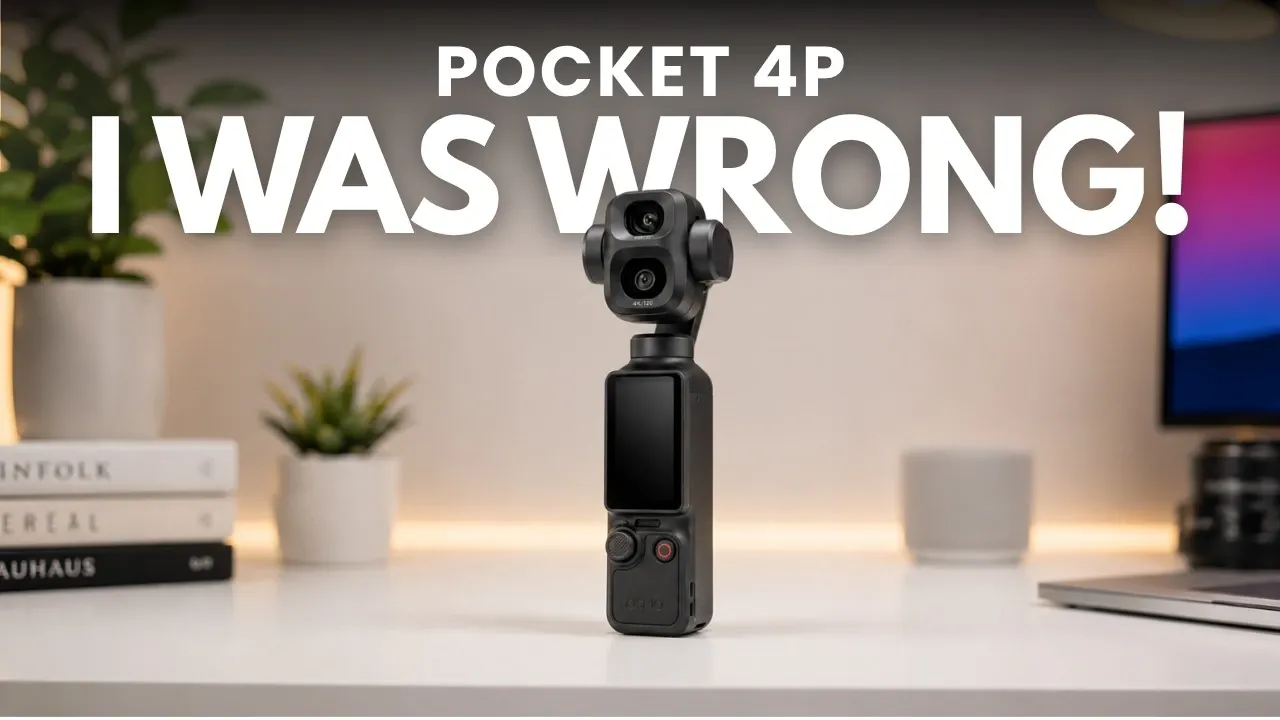
The DJI Pocket 4P has sparked mixed reactions among users, with its blend of convenience and performance drawing both praise and criticism. Tech Court examines this compact camera after 30 days of use, highlighting its standout features like the built-in gimbal for smooth stabilization and the ability to shoot 4K video at up to 240 FPS for detailed slow-motion footage. However, the lack of D-Log 2 support on the telephoto lens and the absence of an included protective case raise questions about its practicality for advanced users and frequent travelers. These aspects, along with limited availability in the United States, make it essential to weigh its strengths against its limitations.
Explore how the Pocket 4P performs in real-world scenarios, from its intuitive touchscreen interface to its handling of low-light conditions. Gain insight into whether its ergonomic design truly enhances usability during extended shoots and how its color consistency impacts post-production workflows. This explainer also provide more insights into the challenges of importing the device for US buyers and evaluates whether its features justify the added effort and cost.
Compact and Intuitive
TL;DR Key Takeaways :
- The DJI Pocket 4P is a compact, portable camera designed for ease of use, offering features like stabilization, color consistency and creative versatility, making it ideal for vloggers and casual creators.
- Key performance highlights include a 3x telephoto lens for cinematic shots, 4K slow-motion capabilities at 240 FPS and a built-in gimbal for smooth footage.
- Notable limitations include the lack of D-Log 2 support on the telephoto lens, subpar low-light performance compared to larger-sensor cameras and the absence of a protective case, requiring additional purchases.
- US buyers face challenges due to limited availability, higher import costs and potential warranty risks, making alternatives like the DJI Pocket 3 or Insta360 Luna Ultra more accessible options.
- Future improvements could include a more responsive touchscreen, a tilting display for versatile shooting angles and a built-in mounting thread for added convenience and functionality.
Design and Usability
The Pocket 4P is built with convenience in mind, offering a compact and lightweight design that makes it easy to carry wherever you go. Whether you are traveling or capturing spontaneous moments, its portability ensures it fits seamlessly into your lifestyle. The intuitive touchscreen interface and straightforward menu system provide a smooth user experience, even for beginners. Switching between lenses is quick and effortless, allowing you to adapt to various shooting scenarios without interruption. Compared to its predecessors, the Pocket 4P feels like a polished and refined product, delivering a user-friendly experience that does not compromise on functionality.
Its design is particularly appealing for vloggers, travelers and casual creators who value ease of use. The device’s ergonomic build ensures comfortable handling during extended use, while its compact size makes it an ideal companion for on-the-go shooting. The Pocket 4P strikes a balance between simplicity and capability, making it accessible to a wide range of users.
Performance: Where the Pocket 4P Shines
The DJI Pocket 4P delivers impressive performance across several key areas, solidifying its position as a strong contender in the compact camera market. Here are the standout features that set it apart:
- 3x Telephoto Lens: This feature enhances cinematic shooting by creating professional background separation, giving your footage a polished, high-quality look.
- Color Consistency: The camera maintains uniform color tones across different focal lengths, minimizing the need for extensive post-production adjustments and making sure a cohesive visual aesthetic.
- Stabilization: The built-in gimbal ensures smooth, steady footage, even during dynamic movements. While proper handling techniques are still important, the stabilization technology significantly reduces shake and jitter.
- Slow-Motion Capabilities: With the ability to capture 4K video at up to 240 FPS, the Pocket 4P excels in producing sharp, detailed slow-motion footage, adding a creative edge to your projects.
These features make the Pocket 4P a versatile tool for both casual users and semi-professional creators. Its ability to deliver high-quality results in a variety of shooting conditions ensures it meets the demands of diverse creative projects.

Find more information on DJI Pocket 4P by browsing our extensive range of articles, guides and tutorials.
- DJI Osmo Pocket 4P vs Insta360 Luna Ultra : Key Differences Explained
- DJI Pocket 4 vs Pocket 4P : Are the New Pro Features Worth the Upgrade?
- DJI Osmo Pocket 4P Global Launch is Finally Here
- What the DJI Pocket 4P’s Dual-Camera System Means for Creators
- DJI Osmo Pocket 4P: Uncovering Its Biggest Hidden Trade-Offs
- Why the DJI Osmo Pocket 4P Might Disappoint Social Media Creators
- What DJI Left Out of the Osmo Pocket 4P and Why It Matters
- Why DJI Kept the Osmo Pocket 4P Specs a Secret at Cannes
- DJI Pocket 4P Telephoto Lens: the Hidden Flaws Creators Must Know
- Why the DJI Pocket 4P Might Disappoint Modern Social Media Creators
Limitations: What Holds It Back
Despite its many strengths, the Pocket 4P has some notable limitations that may impact its appeal to certain users:
- Telephoto Lens Restrictions: The lack of D-Log 2 support on the telephoto lens limits advanced color grading options, which may be a drawback for professional videographers seeking greater post-production flexibility.
- Low-Light Performance: While the camera performs decently in low-light conditions, it falls short compared to larger-sensor cameras. This limitation may be a concern for users who frequently shoot at night or in dimly lit environments.
- No Protective Case: The absence of an included protective case leaves the gimbal vulnerable to damage during transport. Users must purchase additional accessories to ensure safe storage, which adds to the overall cost.
These shortcomings may not be deal-breakers for everyone, but they are important considerations for those evaluating whether the Pocket 4P meets their specific needs.
Market Context: Challenges for US Buyers
For consumers in the United States, the Pocket 4P’s limited availability presents a significant challenge. Importing the device often involves additional costs, such as shipping fees and potential warranty risks, making it less accessible than alternatives like the DJI Pocket 3 or Insta360 Luna Ultra. Recent changes in FCC regulations have further reduced competition in the compact camera market, complicating the decision-making process for US buyers.
Despite these obstacles, the Pocket 4P remains a compelling option for those willing to navigate the complexities of importing. Its advanced features and refined design make it a standout choice for users seeking a high-performance compact camera, even if the process of acquiring it is less straightforward.
Who Should Consider the Pocket 4P?
The Pocket 4P is best suited for first-time buyers or those looking to upgrade to a more advanced tool. Its enhanced features, such as improved stabilization and slow-motion capabilities, make it a worthwhile investment for users seeking a versatile and reliable camera. However, if you already own the DJI Pocket 3, there is little urgency to upgrade, as the Pocket 3 remains a capable device that meets the needs of most users.
US buyers should carefully weigh the added costs and risks of importing the Pocket 4P against its benefits. Alternatives like the DJI Pocket 3 or Insta360 Luna Ultra may offer more accessible solutions without sacrificing too much in terms of performance. Ultimately, the decision will depend on your specific requirements and willingness to navigate the challenges associated with importing.
Future Improvements: What Could Be Better?
While the DJI Pocket 4P is a well-rounded device, there is room for improvement in future iterations. Here are some features that could enhance its usability and appeal:
- More Responsive Touchscreen: A faster and more responsive touchscreen would improve usability in challenging conditions, such as wet environments or when wearing gloves.
- Tilting Display: A tiltable screen would make it easier to capture low-angle shots, adding versatility to the device and expanding creative possibilities.
- Built-In Mounting Thread: Integrating a quarter-inch mounting thread would eliminate the need for adapters, making the camera more convenient for creators who frequently use tripods or other accessories.
These enhancements would address some of the current limitations and make the Pocket 4P even more appealing to a broader audience. By focusing on these areas, DJI could further solidify its position as a leader in the compact camera market.
Media Credit: Tech Court
Disclosure: Some of our articles include affiliate links. If you buy something through one of these links, Geeky Gadgets may earn an affiliate commission. Learn about our Disclosure Policy.
