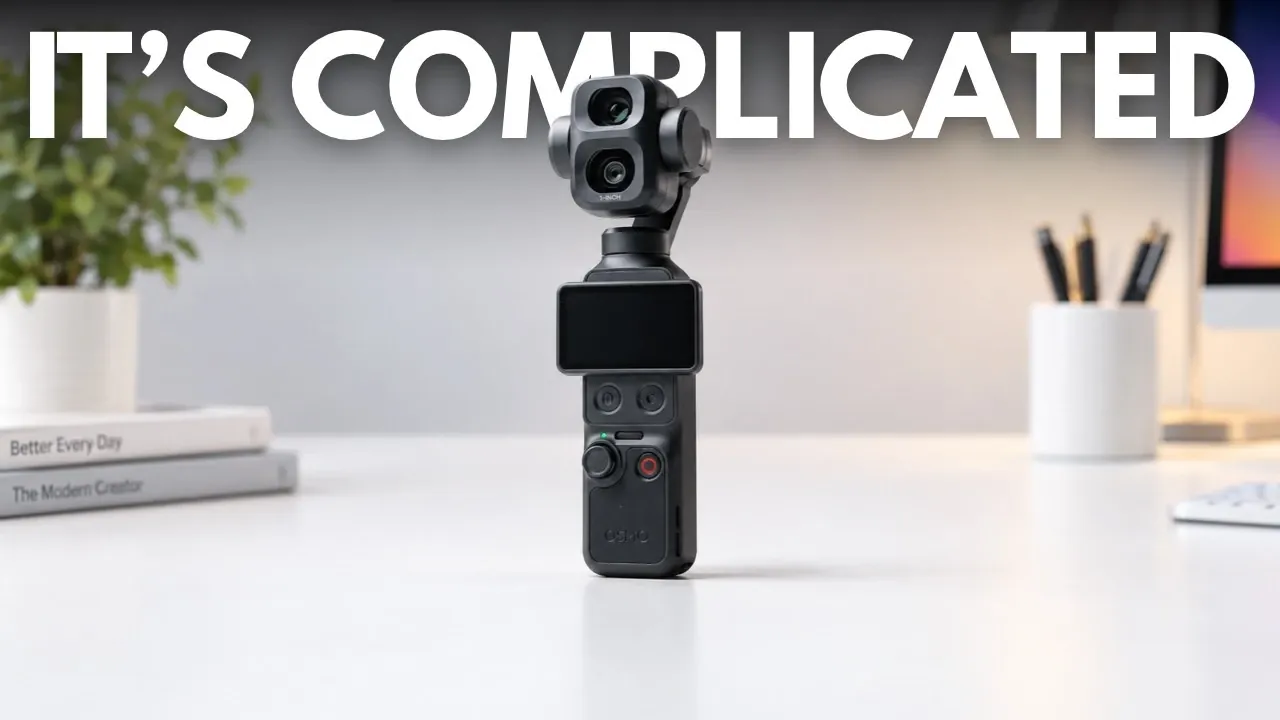
Compact and feature-packed, the DJI Pocket 4P offers creators a blend of portability and professional-grade performance. Tech Court highlights its standout features, such as the upgraded 1-inch main sensor capable of capturing up to 17 stops of dynamic range using the DLOG 2 workflow. This enhancement ensures detailed and flexible footage, even in challenging lighting conditions. Additionally, the inclusion of a second telephoto camera with 3x optical zoom provides sharper close-ups and greater versatility for various shooting scenarios. However, trade-offs like reduced battery life and a more delicate design raise questions about its practicality for certain use cases.
In this breakdown, you’ll gain insight into the Pocket 4P’s mechanical gimbal stabilization, which ensures smooth footage even during dynamic movements and its ability to shoot 4K slow motion at 240 frames per second for cinematic storytelling. Explore how its accessory ecosystem, including ND and CPL filters, enhances creative possibilities and uncover limitations like the capped vertical resolution and lack of a protective case. By the end, you’ll have a clear understanding of whether this compact camera aligns with your creative needs and workflow.
Main Camera: A Leap in Dynamic Range
TL;DR Key Takeaways :
- The DJI Pocket 4P features a 1-inch main sensor with 17 stops of dynamic range, delivering high-quality footage with excellent detail in both highlights and shadows.
- A second telephoto camera with 3x optical zoom enhances versatility, allowing for tighter compositions and cleaner close-ups without sacrificing image quality.
- Mechanical gimbal stabilization ensures smooth, shake-free video, outperforming electronic stabilization and maintaining full resolution during dynamic movements.
- Creative features like 4K slow motion at 240 FPS and support for ND, CPL and diffusion filters provide flexibility for cinematic storytelling and refined visuals.
- Key drawbacks include reduced battery life, limited vertical resolution (capped at 3K), and a fragile design that requires careful handling and additional protective accessories.
The DJI Pocket 4P’s main camera features a 1-inch sensor capable of capturing up to 17 stops of dynamic range when paired with the DLOG 2 workflow. This capability ensures that intricate details in both bright highlights and deep shadows are preserved, even in challenging lighting conditions. The resulting footage provides a natural and flexible starting point for color grading, avoiding the artificial, overly processed look that can limit creative freedom. Whether you’re filming under harsh sunlight or in dimly lit environments, the main sensor consistently delivers high-quality, professional results.
Telephoto Camera: Precision and Versatility
One of the standout features of the Pocket 4P is its second telephoto camera, which offers 3x optical zoom. This addition allows for tighter compositions and cleaner close-ups without relying on digital cropping, which can degrade image quality. The telephoto lens is particularly useful for capturing portraits, detailed B-roll, or low-light scenes. It integrates seamlessly with the Active Track 8 system, allowing precise automated tracking of moving subjects. For vloggers, filmmakers and content creators, this feature adds a layer of versatility and professionalism, making it easier to achieve polished results.

Explore further guides and articles from our vast library that you may find relevant to your interests in DJI Pocket camera.
- Osmo Pocket 4P 1-Inch Sensor Beats iPhone 17 Pro for Video
- Compact DJI Pocket 4P Competes with Sony A7V in Low-Light
- DJI Pocket 4P Update 01.01.71.20 Enables D-Log Slow Motion
- Sony ZV-E10 Mark II Beats DJI Osmo Pocket 4P in Low Light
- DJI Pocket 4P Features 4K 240 FPS Video Without D-Log 2
- DJI Pocket 4 vs Pocket 4P : Are the New Pro Features Worth the Upgrade?
- Osmo Pocket 4P Beats Insta360 Luna Ultra in Stability Tests
- $600 Osmo Pocket 4P Challenges the $2,200 Sony ZV-E1
- Osmo Pocket 4P vs Insta360 Luna Ultra vs GoPro Mission 1 Pro
- DJI Pocket 4P vs DJI Pocket 4: $620 Dual-Lens vs $450 Base
Stabilization: Smooth Footage, Every Time
The DJI Pocket 4P continues the series’ tradition of mechanical gimbal stabilization, a feature that sets it apart from many competitors. Unlike electronic stabilization, which often crops footage and reduces field of view, the gimbal ensures smooth, shake-free video even during dynamic movements like walking or running. This makes it an excellent choice for action shots or handheld filming. The stabilization system is intuitive and reliable, allowing you to focus on your composition without worrying about shaky results, making sure every shot maintains its resolution and clarity.
Creative Features and Shooting Modes
The DJI Pocket 4P supports 4K slow motion at 240 frames per second, allowing you to create dramatic, cinematic effects. This feature is ideal for storytelling, allowing you to emphasize key moments with precision. However, there are limitations to consider. The DLOG 2 workflow, which maximizes dynamic range, is not available in certain modes, such as low-light or telephoto shooting. This restricts your ability to fully exploit the camera’s potential in specific scenarios. Despite these constraints, the slow-motion capability remains a valuable tool for enhancing your creative projects.
Filters and Accessories: Enhancing Your Vision
The Pocket 4P supports a range of filters, including ND (neutral density), CPL (circular polarizer), and diffusion filters. These accessories allow you to control exposure, reduce glare and achieve a more cinematic aesthetic. The filters attach securely to the camera, making sure they remain in place during use. Whether you’re shooting in bright sunlight or aiming for a specific visual style, these tools provide added flexibility to refine your footage. Additionally, the availability of third-party accessories expands the camera’s versatility, making it adaptable to a variety of shooting conditions.
Design and Usability: Compact Yet Functional
The DJI Pocket 4P’s compact design makes it an ideal companion for creators on the move. Its dual-camera system adds versatility, while features like exposure lock and fast wired transfer speeds streamline your workflow. However, the wireless controller feels less integrated and somewhat cumbersome, which could hinder usability for some users. While the design emphasizes portability, the device’s fragility and lack of a robust protective case may pose challenges for those who frequently shoot in rugged or unpredictable environments. These factors highlight the importance of careful handling and additional accessories for safe transport.
Key Drawbacks to Consider
Despite its impressive features, the DJI Pocket 4P has notable limitations that may impact its appeal for certain users:
- Vertical Resolution: The vertical resolution is capped at 3K, which may not meet the expectations of social media creators who prioritize high-quality vertical formats for platforms like Instagram or TikTok.
- Battery Life: The reduced battery life compared to previous models necessitates carrying additional power sources for extended shoots, which could be inconvenient for long filming sessions.
- Fragility: The gimbal design, while excellent for stabilization, makes the camera more vulnerable to damage, especially in rugged or outdoor environments.
- Lack of Protective Case: The absence of a durable, included case further underscores its vulnerability during transport or outdoor use, requiring users to invest in third-party solutions.
Final Verdict: A Specialized Tool with Trade-Offs
The DJI Pocket 4P excels in areas such as dynamic range, telephoto capabilities and stabilization, making it a compelling choice for creators who prioritize these features. However, its limitations in durability, battery life and vertical resolution suggest it may not be the best fit for heavy-duty use or social media-focused creators. Ultimately, the Pocket 4P strikes a balance between advanced functionality and practical compromises. It is best suited for those who value portability, creative control and professional-grade results over ruggedness and universal adaptability.
Media Credit: Tech Court
Disclosure: Some of our articles include affiliate links. If you buy something through one of these links, Geeky Gadgets may earn an affiliate commission. Learn about our Disclosure Policy.
