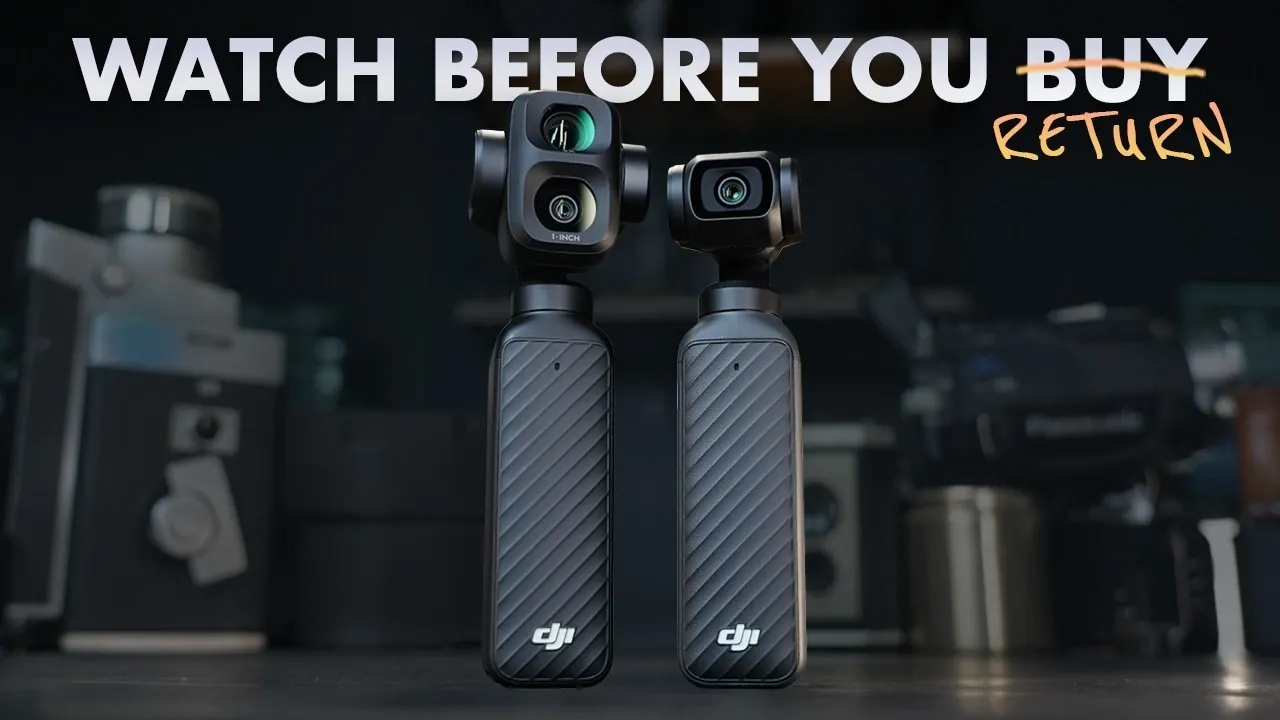
Deciding between the DJI Pocket 4P and Pocket 4 requires a clear understanding of their differences, as both models cater to distinct creative needs. The Film Alliance highlights that while both cameras feature compact, gimbal-stabilized designs and support 10-bit 4K video at up to 240fps, the Pocket 4P offers notable advantages in image quality. With its enhanced dynamic range and richer color reproduction, the Pocket 4P is better suited for cinematic projects that demand professional-grade visuals. In contrast, the Pocket 4 delivers flatter images with lifted shadows, making it a practical choice for users who prioritize ease of post-production editing over in-camera vibrancy.
Explore how these cameras differ in stabilization performance, lens configurations and dynamic range capabilities. You’ll gain insight into the Pocket 4P’s dual-camera system with optical zoom, ideal for capturing distant subjects and the Pocket 4’s lighter, simpler design tailored for vlogging and casual shooting. This guide also examines color science and use cases to help you determine which model aligns with your creative goals, whether you’re a filmmaker seeking cinematic flexibility or a hobbyist capturing everyday moments.
Key Differences in Image Quality
TL;DR Key Takeaways :
- The DJI Pocket 4P excels in image quality with enhanced dynamic range, richer color reproduction and a dual-camera system featuring a 1-inch main sensor and 3x optical zoom, making it ideal for cinematic projects and professional use.
- The Pocket 4 offers a single 1-inch sensor with digital zoom, producing flatter images that are easier to edit, making it a budget-friendly option for casual users, vlogging and travel content.
- Both models feature advanced gimbal stabilization, with the Pocket 4P optimized for zoomed-in shots and the Pocket 4 better suited for handheld and general-purpose shooting.
- The Pocket 4P supports the Dlog-M 2 profile with up to 17 stops of dynamic range, providing greater flexibility for post-production, while the Pocket 4 offers a standard Dlog 10-bit profile with slightly less dynamic range.
- Price and availability differ, with the Pocket 4P priced around $620 USD and the Pocket 4 at $450 USD, though neither is officially available in the U.S., requiring purchases through third-party sellers.
The Pocket 4P stands out with its enhanced dynamic range and richer color reproduction, making it ideal for capturing cinematic visuals. Its ability to retain details in both highlights and shadows ensures professional-grade results, particularly for projects where image quality is paramount. The deeper tones and refined details make it a strong contender for filmmakers and content creators.
In comparison, the Pocket 4 produces flatter images with lifted shadows, which are easier to edit in post-production but lack the vibrancy of the Pocket 4P’s output. While both cameras perform admirably, the Pocket 4P is the better choice if achieving superior image quality is your primary concern.
Stabilization: Tailored for Different Shooting Styles
Both models feature advanced gimbal stabilization, but their performance is optimized for different shooting scenarios:
- Pocket 4P: Excels at tighter focal lengths, such as its dedicated 3x telephoto lens, making sure smooth and stable footage even in challenging conditions like zoomed-in shots or dynamic movements.
- Pocket 4: Offers smoother stabilization at its default 1x focal length, making it an excellent choice for handheld shooting, vlogging and general-purpose use.
Your decision will depend on whether you prioritize stabilization for zoomed-in compositions or require a versatile setup for everyday shooting.

Discover other guides from our vast content that could be of interest on DJI Pocket 4P.
- What the DJI Pocket 4P’s Dual-Camera System Means for Creators
- DJI Osmo Pocket 4P: Uncovering Its Biggest Hidden Trade-Offs
- Why the DJI Osmo Pocket 4P Might Disappoint Social Media Creators
- What DJI Left Out of the Osmo Pocket 4P and Why It Matters
- DJI Pocket 4P Telephoto Lens: the Hidden Flaws Creators Must Know
- Why the DJI Pocket 4P Might Disappoint Modern Social Media Creators
- DJI Pocket 4P vs Insta360 Luna Ultra: the Ultimate Buying Guide
- Why the Pocket 4P is Arriving in America Without the DJI Name
- Inside the Massive DJI Osmo Pocket 4P Upgrade : 17 Stops of Dynamic Range & More
- What the Pocket 4P and Luna Ultra Divide Means for Content Creators
Lens and Sensor Capabilities
The Pocket 4P features a dual-camera system, combining a 1-inch main sensor with a dedicated 3x telephoto lens. This configuration provides greater flexibility, particularly for capturing distant subjects with optical zoom, which maintains image clarity and sharpness.
The Pocket 4, in contrast, relies on a single 1-inch sensor and uses digital zoom to simulate 3x shots. While digital zoom can still produce sharp results, it lacks the precision and detail offered by the Pocket 4P’s optical zoom. For users who frequently shoot distant subjects or require more versatile framing options, the Pocket 4P offers a clear advantage.
Color Science: Aesthetic Preferences
Color science plays a significant role in determining the visual appeal of your footage straight out of the camera.
- Pocket 4P: Produces deeper, more saturated tones, particularly in skies and highlights, giving footage a cinematic and polished appearance.
- Pocket 4: Leans toward lighter, cooler tones, with cyan skies and cooler skin tones, offering a more neutral aesthetic.
Both cameras allow for color grading in post-production, but the Pocket 4P’s richer tones provide a stronger foundation for professional workflows. If you prefer footage that looks cinematic without extensive editing, the Pocket 4P is the better option.
Dynamic Range: Flexibility in Post-Production
Dynamic range is a critical factor for users who plan to edit their footage extensively. The Pocket 4P supports the Dlog-M 2 profile, offering up to 17 stops of dynamic range. This allows for greater flexibility when adjusting highlights and shadows, making it a powerful tool for filmmakers and content creators who demand precision in post-production.
The Pocket 4, while still capable, supports a standard Dlog 10-bit profile with slightly less dynamic range. For casual users or those who don’t require extensive highlight retention, the Pocket 4 remains a solid choice. However, for maximum creative control, the Pocket 4P is the superior option.
Use Cases: Which Camera Fits Your Needs?
The choice between the Pocket 4P and Pocket 4 ultimately depends on your intended use case:
- Pocket 4P: Best suited for cinematic projects, detailed shots and scenarios requiring advanced highlight retention. It’s ideal for filmmakers, content creators and professionals seeking high-quality visuals.
- Pocket 4: Designed for vlogging, travel content and general-purpose shooting. Its lighter weight and simpler operation make it an excellent choice for casual users and hobbyists.
If your focus is on professional-grade results and versatility, the Pocket 4P is the better investment. For users seeking a more affordable, user-friendly option, the Pocket 4 delivers reliable performance.
Price and Availability
Price is often a deciding factor when choosing between these two models. Here’s how they compare:
- Pocket 4P: Typically priced around $620 USD on platforms like eBay, reflecting its advanced features and professional-grade capabilities.
- Pocket 4: A more budget-friendly option, costing approximately $450 USD, making it accessible to a wider range of users.
It’s important to note that neither camera is officially available in the U.S., so you’ll need to rely on third-party sellers for purchase. Be sure to verify the seller’s reputation and product authenticity before making a purchase.
Additional Considerations
Both cameras offer manual exposure adjustments, allowing users to fine-tune settings for optimal results. Subtle differences in lens flare and highlight transitions also give each model a unique character, which may appeal to users with specific creative preferences. These nuances further distinguish the Pocket 4P and Pocket 4, making them tailored to different shooting styles and artistic goals.
For users who value portability, both models maintain a compact design, making them easy to carry and use in various environments. However, the Pocket 4’s lighter weight may be more appealing for extended handheld use.
Choosing the Right Camera
The DJI Pocket 4P and Pocket 4 are both versatile tools, but they cater to distinct creative needs.
- Pocket 4P: Recommended for users seeking advanced features, superior image quality and cinematic flexibility. It’s the go-to choice for professionals and serious content creators.
- Pocket 4: A strong, budget-friendly option for casual shooting, vlogging and travel content. Its simplicity and affordability make it an excellent choice for everyday use.
By understanding the strengths and limitations of each model, you can confidently select the camera that aligns with your creative goals. Whether you’re a filmmaker aiming for professional-grade visuals or a casual user capturing life’s moments, there’s a Pocket camera designed to meet your needs.
Media Credit: The Film Alliance
Disclosure: Some of our articles include affiliate links. If you buy something through one of these links, Geeky Gadgets may earn an affiliate commission. Learn about our Disclosure Policy.
