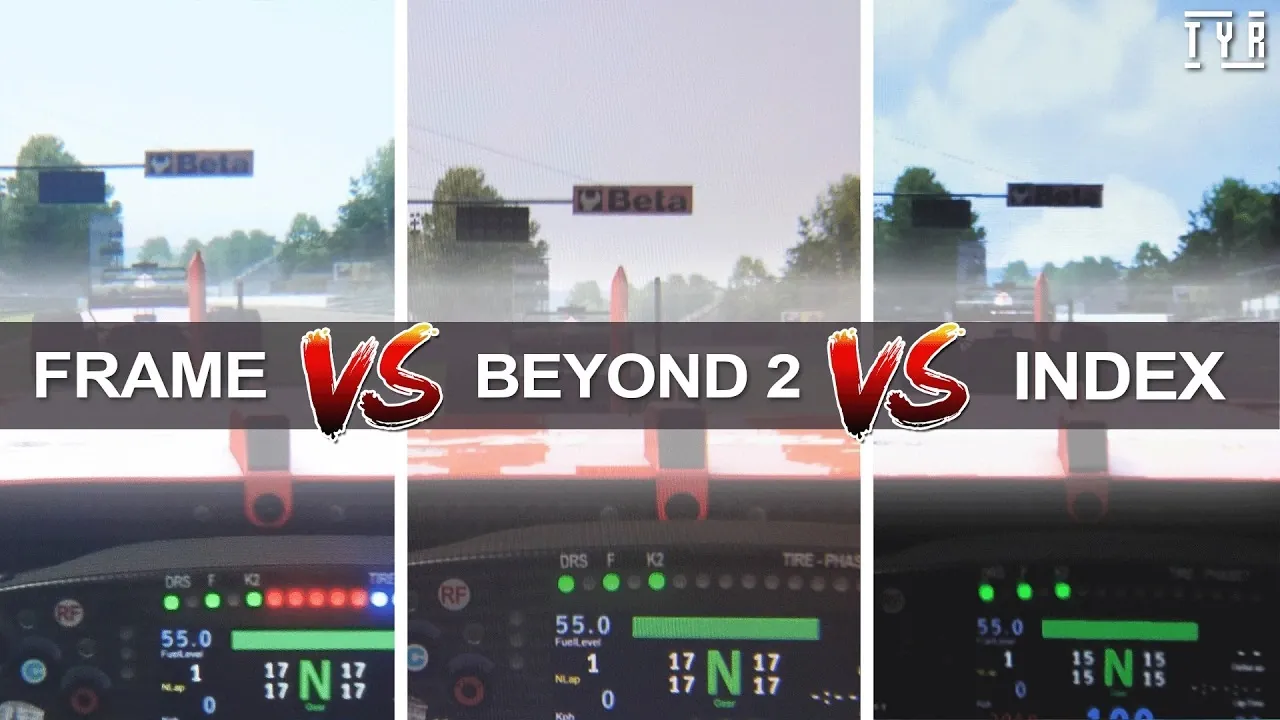
The Valve Steam Frame, Bigscreen Beyond and Valve Index represent three distinct approaches to virtual reality hardware, each catering to different user needs. The Steam Frame offers a 2160×2160 resolution and a 144 Hz refresh rate, providing a performance-driven experience, while Bigscreen Beyond features microOLED displays that deliver true blacks and vibrant colors. According to Tyriel Wood, these devices differ significantly in areas like field of view, lens quality and display technology, with trade-offs such as the Steam Frame’s LCD panels limiting color depth compared to the richer visuals of Beyond.
Explore this analysis to compare the Steam Frame’s focus on performance, the Bigscreen Beyond’s emphasis on visual fidelity and the Valve Index’s reputation for reliability. Learn how factors like chromatic aberration, glare and resolution affect usability and gain clarity on which headset aligns best with specific priorities, whether it’s cost-effectiveness, premium display quality, or a well-rounded entry into VR.
Steam Frame vs Bigscreen Beyond vs Index
TL;DR Key Takeaways :
- The Valve Steam Frame offers a strong balance of performance and affordability, featuring a resolution of 2160×2160 per eye, 144 Hz refresh rate and 115° FOV, but falls short in color accuracy and contrast due to its LCD technology.
- Bigscreen Beyond leads in visual fidelity with microOLED displays, delivering 2560×2560 resolution per eye, vibrant colors, true blacks and sharp details, though minor glare issues may occur in high-contrast scenes.
- The Valve Index remains a reliable entry-level option with a resolution of 1440×1600 per eye and 144 Hz refresh rate, but its older Fresnel lens technology and lower resolution make it less competitive with newer models.
- Each headset caters to different user needs: the Steam Frame balances performance and cost, Bigscreen Beyond excels in premium visuals and the Valve Index is ideal for beginners.
- Choosing the right VR headset depends on factors like resolution, lens quality, color accuracy and budget, with Bigscreen Beyond being the top choice for enthusiasts seeking innovative visuals.
Valve Steam Frame: Balanced Performance with Trade-Offs
The Valve Steam Frame offers a compelling mix of performance and affordability, making it a strong contender in the mid-range VR market. It features LCD displays with a resolution of 2160×2160 per eye and a refresh rate of 144 Hz, making sure smooth visuals during gameplay or other VR experiences. Its custom pancake lenses provide a 115° FOV, delivering clear visuals with minimal distortion. However, the use of LCD technology limits its ability to produce vibrant colors and deep blacks, resulting in muted tones and grayish shadows.
Occasionally, users may notice screen artifacts, which can slightly detract from the overall experience. While the Steam Frame excels in delivering low latency and smooth performance, chromatic aberration near the edges of the lenses can be distracting. To achieve optimal visual clarity, super sampling is often required, which places additional demands on your system’s processing power. For those upgrading from older models like the Valve Index, the Steam Frame offers significant improvements in resolution and lens quality. However, it may not fully satisfy users who prioritize rich color accuracy and deep contrast.
Bigscreen Beyond: Redefining Visual Fidelity
Bigscreen Beyond sets a new standard for VR headsets with its innovative microOLED displays, offering a resolution of 2560×2560 per eye. This advanced display technology delivers vibrant colors, sharp details and true blacks, creating a visually stunning and immersive experience. The refresh rate, adjustable between 90 Hz and 75 Hz at full resolution, ensures smooth and responsive performance. Its custom pancake lenses further enhance clarity, making text and intricate details easier to discern.
While the display’s color tones lean slightly warm, software adjustments allow users to fine-tune the visuals to their preference. Bigscreen Beyond surpasses both the Steam Frame and Valve Index in visual quality, offering an unparalleled level of immersion with minimal screen artifacts. However, minor glare issues may occasionally arise, particularly in scenes with high contrast. Despite this, its overall performance makes it a top choice for users seeking the best in visual fidelity.

Discover other guides from our vast content that could be of interest on Valve Steam Frame.
- Valve Confirms Steam Deck 2 with Unreal Engine 5 Support
- Steam Frame VR Unboxing Reveals PC Wireless Streaming Adapter
- 10 Reasons You Should Buy the Valve Steam Frame VR Headset at Launch
- Teardown Reveals What Valve is Hiding Inside the New Steam Machine
- HDMI CEC Support Lets You Control Steam Machine via TV Remote
- AMD Radeon RX 9070 XT eGPU Boosts Valve Steam Machine 4K By 183%
- Valve Commits to 2026 Delivery for All Steam Machine Orders
- What Valve’s Leaks Reveal About the New Steam Frame VR Headset
- Meta Quest 3 vs Valve Steam Frame : Which VR Headset Wins?
- SteamOS Beta Update Fixes CPU Degradation and Wi-Fi Bugs
Valve Index: A Reliable Classic
The Valve Index, though released several years ago, remains a dependable option for those entering the world of VR. It features a resolution of 1440×1600 per eye and a refresh rate of 144 Hz, providing a smooth and enjoyable experience for beginners. Its Fresnel lenses, while functional, are prone to glare and “god rays,” which can disrupt immersion during use. The FOV is comparable to the Steam Frame, but the lower resolution and older lens technology result in less visual clarity and detail.
Despite its limitations, the Valve Index continues to offer a solid VR experience for newcomers. However, it struggles to compete with the advancements in resolution, lens technology and color accuracy seen in newer models like the Steam Frame and Bigscreen Beyond. For users seeking innovative performance, the Index may feel outdated, but it remains a reliable and accessible entry point into VR.
Performance and Key Considerations
When comparing these three headsets, each offers distinct advantages and trade-offs that cater to different user preferences:
- Valve Steam Frame: A well-rounded option with a strong resolution, high refresh rate and wide FOV. However, it falls short in color accuracy and occasionally suffers from screen artifacts.
- Bigscreen Beyond: The leader in visual fidelity, offering vibrant colors, sharp details and true blacks. Minor glare issues may occur, but its overall performance is unmatched.
- Valve Index: A reliable and beginner-friendly choice, though its aging technology makes it less competitive compared to newer models.
For users upgrading from the Valve Index, the Steam Frame provides a noticeable improvement in resolution and lens quality. However, for those who prioritize the best possible visual experience, Bigscreen Beyond stands out as the premium choice, albeit at a higher price point. Each headset caters to different priorities, whether it’s affordability, innovative visuals, or accessibility for newcomers.
Choosing the Right VR Headset
Selecting the ideal VR headset depends on your specific needs and preferences. The Valve Steam Frame is a strong option for users seeking a balance between performance and affordability, offering a wide FOV and smooth refresh rates. Bigscreen Beyond, on the other hand, is designed for enthusiasts who value premium visuals and immersive experiences, delivering unmatched color accuracy and clarity. Meanwhile, the Valve Index remains a dependable choice for beginners, though its aging technology may not satisfy users seeking the latest advancements. By carefully evaluating factors such as resolution, lens quality, color accuracy and budget, you can confidently choose the headset that aligns with your VR goals and expectations.
Media Credit: Tyriel Wood – VR Tech
Disclosure: Some of our articles include affiliate links. If you buy something through one of these links, Geeky Gadgets may earn an affiliate commission. Learn about our Disclosure Policy.
