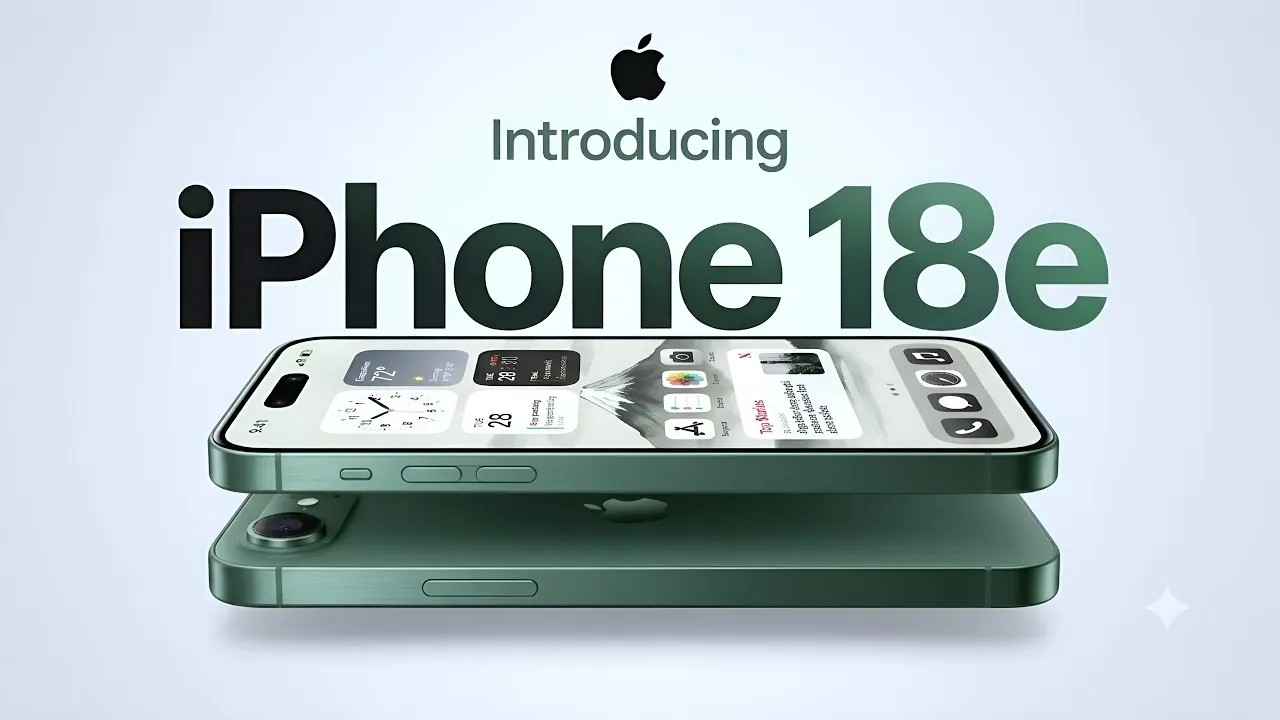
Apple’s highly anticipated iPhone 18e is shaping up to be a noteworthy addition to the company’s budget-friendly lineup. With its innovative A20 chip and enhanced selfie camera, the device promises to deliver a level of performance that rivals flagship models. However, it also comes with compromises that may give potential buyers pause. While the iPhone 18e excels in processing power and front-camera quality, its outdated display technology and limited camera versatility could impact its appeal. Understanding these strengths and weaknesses is crucial for anyone considering this device.

Display: Vibrant Colors, But Lags Behind Competitors
The iPhone 18e is rumored to feature a 6.12-inch LTPS OLED display, offering vivid colors and sharp image quality. This screen is well-suited for everyday tasks such as browsing, streaming, and casual gaming. However, its 60 Hz refresh rate remains unchanged from its predecessor, the iPhone 17e and feels outdated in today’s competitive market.
Many Android smartphones in the same price range now offer 90 Hz or even 120 Hz refresh rates, which provide smoother scrolling, more fluid animations and an enhanced gaming experience. For users who prioritize display responsiveness and fluidity, the iPhone 18e’s screen may feel like a step behind. While the vibrant OLED panel ensures a visually pleasing experience, the lack of a higher refresh rate could be a significant drawback for tech enthusiasts.
Camera: Improved Selfies, But Limited Versatility
The iPhone 18e’s camera system is a mix of incremental improvements and notable omissions. On the rear, the device is expected to feature a single 48 MP camera, capable of capturing detailed and high-quality images. While this represents a solid offering for a budget-friendly device, it does not mark a significant leap forward from the iPhone 17e.
The absence of additional rear lenses, such as ultra-wide or telephoto options, limits the phone’s photographic versatility. Competing Android devices in the same price range often include multi-camera setups, allowing features like wide-angle photography, macro shots, or optical zoom. For users who enjoy experimenting with different photography styles, this limitation could be disappointing.
On the other hand, the front-facing camera sees a significant upgrade. With a 24 MP resolution, it promises sharper selfies and better video call quality. Combined with Apple’s advanced image processing, this enhancement is likely to appeal to users who prioritize front-camera performance for social media or virtual meetings.
Performance: A20 Chip and 9 GB RAM Deliver Exceptional Speed
Performance is where the iPhone 18e truly shines. At its core is the A20 chip, the latest in Apple’s renowned A-series processors. Known for their industry-leading speed and efficiency, these chips are designed to handle demanding tasks with ease. Whether you’re multitasking, gaming, or running resource-intensive applications, the A20 chip ensures a seamless experience.
Complementing this powerful processor is the rumored inclusion of 9 GB of RAM, a significant upgrade for Apple’s budget lineup. This combination allows for smoother multitasking, faster app switching and better performance longevity. For users who value speed, reliability and the ability to handle future software updates, the iPhone 18e is likely to exceed expectations.
Additionally, the A20 chip’s efficiency could translate to improved battery life, making sure that the device keeps up with your daily demands. While the iPhone 18e may not boast the most advanced display or camera features, its performance capabilities make it a compelling choice for power users.
Market Position: Balancing Strengths and Trade-Offs
The iPhone 18e occupies a unique position in the mid-range smartphone market. Its A20 chip and upgraded selfie camera make it a strong contender for users who prioritize performance and reliability. However, its outdated 60 Hz display and lack of additional rear cameras highlight the trade-offs Apple has made to keep the device budget-friendly.
When compared to Android competitors in the same price range, the iPhone 18e’s limitations become more apparent. Many Android devices offer features such as:
- Higher refresh rates for smoother displays
- Multi-camera setups for greater photographic flexibility
- Larger displays for enhanced media consumption
These differences underscore the compromises inherent in the iPhone 18e’s design. While it excels in performance and front-camera quality, it may fall short for users seeking a more well-rounded feature set. For those who prioritize speed and efficiency over display fluidity and camera versatility, the iPhone 18e remains an attractive option. However, buyers looking for a more balanced smartphone experience may find better value in Android alternatives.
Ultimately, the iPhone 18e is a device that caters to a specific audience. Its powerful internals and refined selfie camera make it ideal for users who prioritize performance and front-facing photography. However, its compromises in display and rear-camera features may limit its appeal to a broader audience.
Gain further expertise in iPhone 18e by checking out these recommendations.
- Apple’s Budget iPhone 18E Reportedly Getting Significant Updates
- iPhone 18E Leaks: Apple’s Budget Flagship Gets a Huge Upgrade
- Rumored $599 iPhone 18E Targets Affordability in Early 2027
- Why the iPhone 18E Might Be Apple’s Best Value Phone in Years
- Wait for the iPhone 18e? Why Apple’s Next Budget Phone Punches Way Above Its Weight
- iPhone 18e Rumors: Why Apple’s Budget Model Might Outperform Expectations
Source & Image Credit: Demon’s Tech
Disclosure: Some of our articles include affiliate links. If you buy something through one of these links, Geeky Gadgets may earn an affiliate commission. Learn about our Disclosure Policy.
