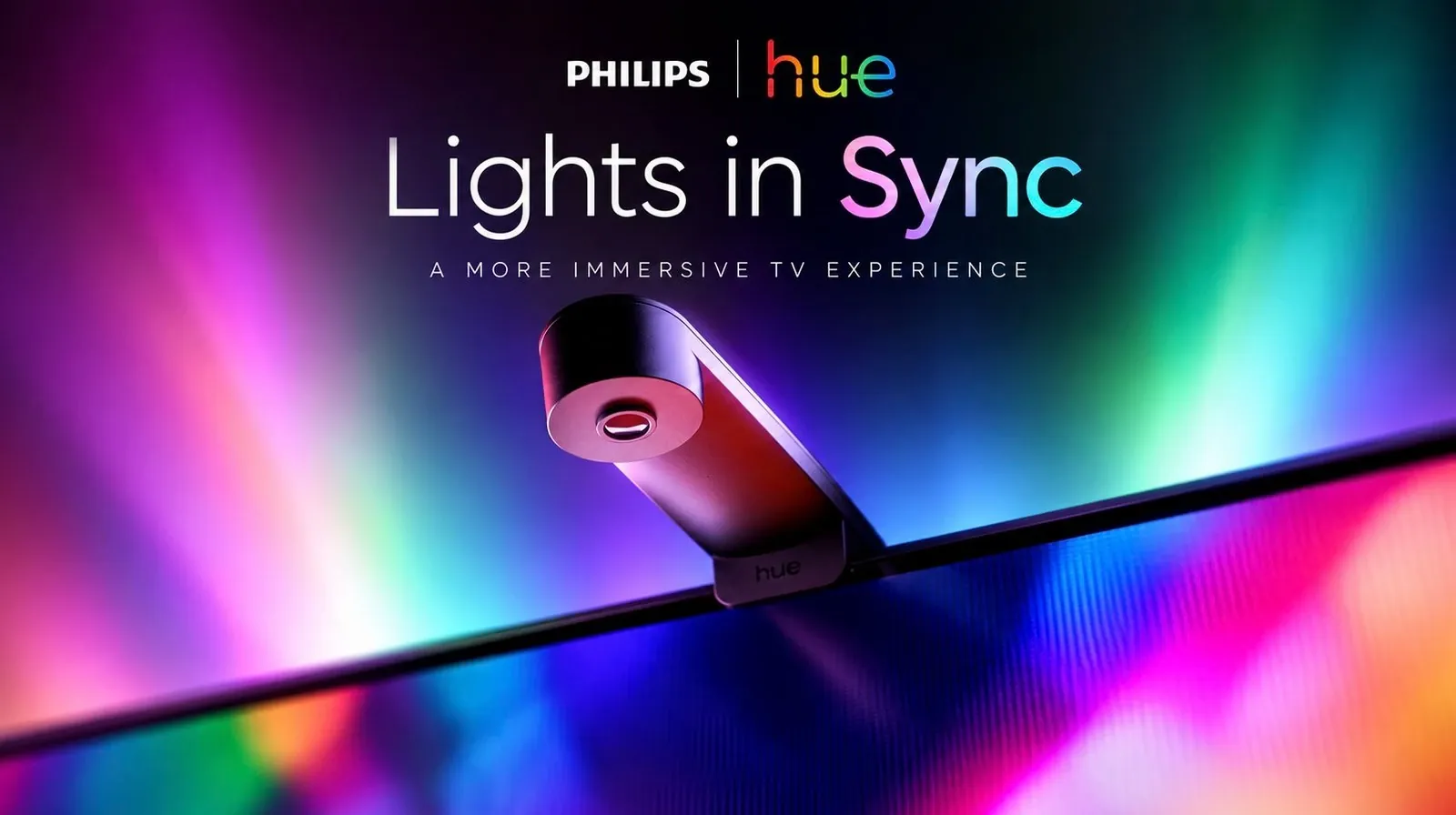
Philips Hue showcased significant updates at IFA 2026, signaling its evolving approach to smart lighting. A Smarter House examines key announcements, including the Hue Play Screen Sync Camera, priced at $120, which synchronizes lighting with TV content in real time and the 4K Play HDMI Sync Box, positioned as a cost-effective alternative to the 8K version. These releases, along with partnerships like the Nanoleaf Wall Light Module, highlight the brand’s efforts to balance affordability with high-end features while broadening its ecosystem.
Explore this deep dive to learn about the AI-driven automation features launching in October, designed to streamline customization through natural language commands. Discover details about the cloud-based backup system, set to roll out in November, which requires the $140 Bridge Pro. Gain insight into the broader implications of mandatory cloud accounts and how regional pricing differences may impact users globally.
Major Product Announcements from IFA 2026
TL;DR Key Takeaways :
- Philips Hue unveiled new products at IFA Berlin 2026, including the Hue Play Screen Sync Camera and 4K Play HDMI Sync Box, emphasizing innovation and affordability in entertainment lighting.
- New lighting hardware includes Gradient Lightstrip Pro, Liane Rope Light and updated Signe fixtures, catering to both premium and budget-conscious users with diverse indoor and outdoor options.
- Software updates feature AI-driven automation and cloud-based backup, enhancing usability but requiring premium hardware like the $140 Bridge Pro for full functionality.
- Technical advancements include concurrent multiprotocol support (Bluetooth, Zigbee, Thread), making sure compatibility across smart home ecosystems, but mandatory cloud accounts raise privacy concerns.
- Philips Hue faces rising competition from IKEA, Govee and Home Assistant, alongside challenges like pricing disparities, ecosystem reliability issues and a shift toward premium pricing strategies.
Philips Hue introduced a range of new products designed to enhance the smart lighting experience. These announcements highlight the brand’s focus on innovation and accessibility:
- Hue Play Screen Sync Camera: This device synchronizes Hue lights with TV content in real-time, offering an immersive entertainment experience. Priced at $120, it supports up to 10 lights when paired with a Hue Bridge or the new Bridge Pro. It serves as a more affordable alternative to the Play HDMI Sync Box.
- Play HDMI Sync Box (4K Model): The new 4K version, priced at $150, supports 4K at 60Hz or 1440p at 120Hz. It offers a cost-effective option compared to the $385 8K model, making high-quality synchronization more accessible.
- Nanoleaf Partnership: A $40 Wall Light Module enables Nanoleaf panels to integrate seamlessly into the Hue app. However, the module remains proprietary and lacks Matter compatibility, limiting its interoperability.
- Sonos Integration: Hue switches now support Sonos, allowing users to control playback and volume directly from their lighting setup, enhancing convenience and functionality.
New Lighting Hardware
Philips Hue expanded its product lineup with a variety of lighting options tailored for both indoor and outdoor use. These additions cater to diverse preferences and needs:
- Gradient Lightstrip and Lightstrip Pro: Designed for TVs up to 100 inches, these cuttable lightstrips start at $180 and provide customizable lighting for home entertainment setups.
- Liane Rope Light: A decorative 360-degree rope light priced at $400, offering a blend of aesthetics and functionality for modern interiors.
- Updated Signe Fixtures: These modernized designs, priced between $300 and $400, bring a sleek, contemporary look to home lighting.
- Outdoor Festavia Variants: Festive lighting options starting at $250, ideal for creating vibrant outdoor atmospheres.
- OmniGlow Outdoor Lightstrip: A weather-resistant lightstrip priced at $230, designed for durability and outdoor use.
- Budget-Friendly Fixtures: Options like Struana and Semeru, starting at $90, cater to cost-conscious buyers without compromising on quality.

Gain further expertise in Philips Hue by checking out these recommendations.
- Philips Hue vs IKEA: Dual Protocol Battles Matter-Over-Thread
- Does Apple’s New iOS 27 ‘Siri AI’ Live Up to the Hype?
- IKEA Fixes BILRESA Battery Life with Quiet Hardware Revisions
- IKEA Matter Devices Now Connect to Apple Home Without Dirigera Hub
- Best RGB Smart Bulbs in 2026 : Philips Hue vs IKEA Kajplats vs Govee
- Philips Hue Filament Edison style retro smart light bulbs unveiled
- New Philips Hue Bridge Pro Changes How You Place Smart Lights
- Free Philips Hue Sync App For Window 10 And MacOS Released
Software Updates
Philips Hue is enhancing its software ecosystem with features aimed at improving usability, customization and overall user experience:
- AI-Driven Automation: Beginning in October 2026, users can create custom automations using natural language commands, simplifying the process of personalizing lighting setups.
- Cloud-Based Backup and Restore: Launching in November 2026, this feature allows users to save their Bridge configurations to the Hue Cloud. However, it requires the $140 Bridge Pro, signaling a shift toward premium services.
These updates reflect a focus on convenience and advanced functionality, though they also emphasize the brand’s move toward higher-end offerings.
Technical Advancements
Philips Hue has introduced significant technical improvements to enhance compatibility and integration across smart home ecosystems:
- Concurrent Multiprotocol Support: Hue bulbs now support Bluetooth, Zigbee and Thread simultaneously, allowing Matter-over-Thread functionality without sacrificing Zigbee compatibility. This ensures seamless operation across various platforms, offering greater flexibility for users with diverse smart home setups.
These advancements position Philips Hue as a leader in technical innovation, making sure its products remain versatile and future-proof.
Ecosystem Challenges
Despite its advancements, the Philips Hue ecosystem faces several challenges that could impact user satisfaction and adoption:
- Mandatory Cloud Accounts: A cloud account is now required to control lights via the Hue app, raising privacy concerns among users who prefer local control.
- Platform Reliability Issues: Bugs in Apple Home and Google Home integrations have been reported throughout 2026. However, local integrations, such as Home Assistant with direct Zigbee support, remain unaffected, offering a reliable alternative for advanced users.
These challenges may deter users who prioritize privacy, reliability and seamless integration in their smart home systems.
Pricing Trends
Philips Hue’s pricing strategy reflects a clear shift toward premium offerings, with several notable trends emerging:
- Bridge Pro Price Increase: The Bridge Pro now retails at $140, marking a 40% price increase in the US, which may alienate budget-conscious consumers.
- Regional Price Disparities: Hue products are significantly more expensive in the US compared to Europe, highlighting inconsistencies in global pricing strategies.
- Budget-Friendly Options: The Essentials line offers more affordable choices, with color bulbs starting at $25. Additionally, the new Sync Box 4K provides a lower-cost alternative to premium models, catering to a wider audience.
While these options address different budgets, the overall trend toward higher prices could limit the brand’s appeal to cost-sensitive consumers.
Competitive Landscape
Philips Hue faces growing competition in the smart lighting market, with several key players offering compelling alternatives:
- IKEA Dirigera: Provides smart bulbs starting at just $6, making it an attractive option for budget-conscious buyers.
- Govee: Dominates the entertainment lighting segment with affordable camera sync kits, challenging Hue’s position in this space.
- Home Assistant: Offers advanced users a way to bypass proprietary ecosystems, using direct Zigbee integration for greater customization and control.
These competitors present viable options for users seeking affordability, advanced features, or greater flexibility.
Strategic Shifts
Signify’s strategy for Philips Hue emphasizes premium features and recurring revenue streams while addressing diverse market segments. Key elements of this strategy include:
- Encouraging Device Adoption: The brand aims to integrate more devices into households, supported by premium services like the Pro hub, to drive long-term engagement and revenue.
- Budget-Friendly Alternatives: To avoid diluting the Hue brand, Signify has launched a separate budget line under the WiZ platform, marketed as “Philips Smart Lighting,” catering to cost-conscious consumers without compromising the premium positioning of Hue.
This dual approach allows the company to maintain its leadership in the premium segment while expanding its reach to budget-conscious markets.
Media Credit: A Smarter House
Disclosure: Some of our articles include affiliate links. If you buy something through one of these links, Geeky Gadgets may earn an affiliate commission. Learn about our Disclosure Policy.
