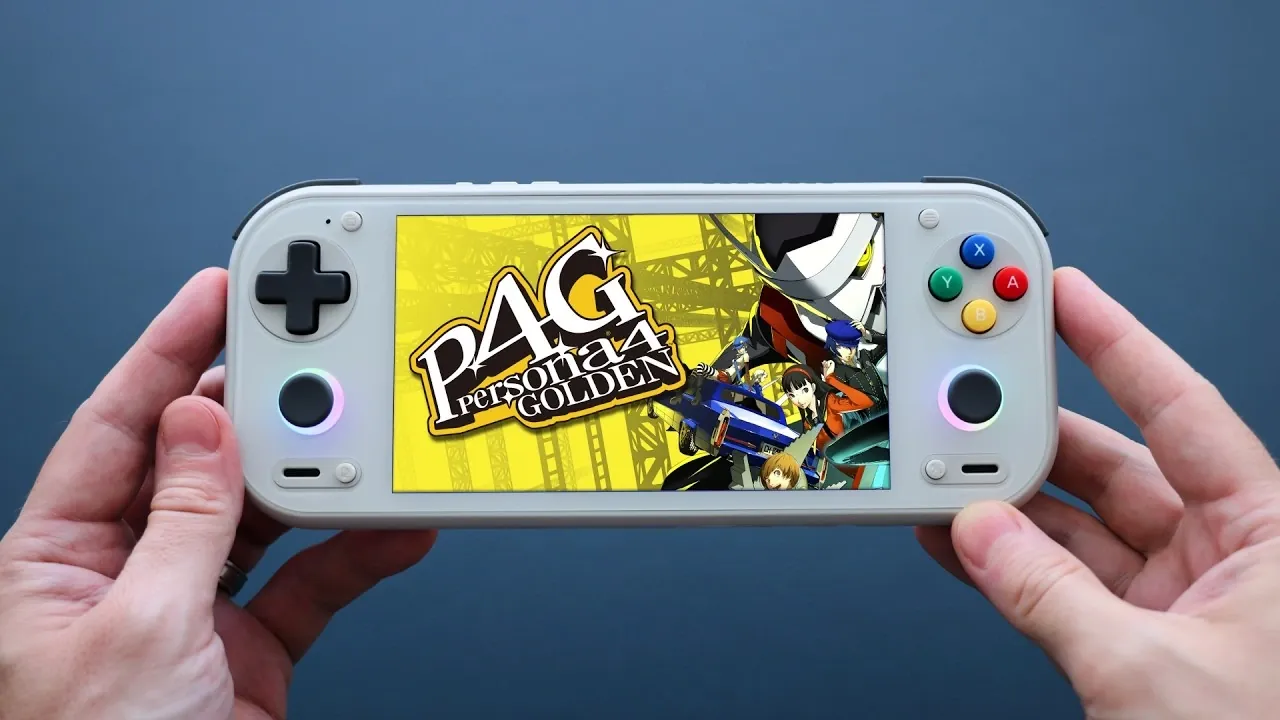
The Anbernic RG55G1 is a retro gaming handheld that aims to balance affordability and performance, but its market positioning leaves much to be desired. Retro Game Corps explores this device in detail, highlighting its Snapdragon G1 Gen 2 chipset, ergonomic design and 1080p display as standout features. While the controls, including hall sensor sticks and a responsive D-pad, cater to retro gaming enthusiasts, the RG55G1’s widescreen aspect ratio and GPU limitations pose challenges. For instance, the 16:9 display enhances immersion for platforms like PSP and GameCube but detracts from the authenticity of older systems like SNES, which use a 4:3 format. These trade-offs underscore the device’s struggle to clearly define its niche in a competitive market.
Dive into this breakdown to understand how the RG55G1 performs across various platforms and scenarios. You’ll gain insight into its battery life, which offers up to 12.5 hours for lightweight systems and its streaming capabilities, which deliver smooth decoding but suffer from ergonomic flaws. Explore how it stacks up against competitors like the Mangmi AirX and Retroid Pocket 5 and see why its pricing and performance leave it caught between budget and premium options. This overview offers a clear picture of whether the RG55G1 fits your gaming needs or falls short of expectations.
Anbernic RG55G1 Handheld Console
TL;DR Key Takeaways :
- The Anbernic RG55G1 features a sleek, ergonomic design with responsive controls, making it ideal for retro gaming enthusiasts.
- Its 5.5-inch 1080p display offers vibrant visuals but compromises authenticity for older 4:3 aspect ratio systems like NES and SNES.
- Powered by the Snapdragon G1 Gen 2 chipset, it excels in retro and mid-tier gaming but struggles with high-end emulation for platforms like PS2 and Switch.
- Battery life is a standout feature, offering up to 12.5 hours for lightweight systems and around 7-8 hours for mid-tier platforms.
- Despite its strengths, the RG55G1 faces tough competition due to its unclear market positioning, GPU limitations and pricing between $150-$175.
Design and Build Quality
The RG55G1 stands out with its thoughtful design and robust construction. Its ergonomic shape, reminiscent of the Nintendo Switch Lite, ensures a comfortable grip, even during extended gaming sessions. The all-glass front lends a sleek, modern aesthetic, while the matte plastic back enhances durability and provides a non-slip surface for added practicality.
The controls are a highlight of the device. With responsive buttons, hall sensor sticks for precise input and a reactive D-pad, the RG55G1 prioritizes input accuracy, which is critical for retro gaming. These design choices make it particularly appealing to enthusiasts of classic games, where precision often determines the quality of the gaming experience.
Display
The RG55G1 features a 5.5-inch 1080p screen that delivers vibrant colors and sharp visuals. Its 16:9 widescreen aspect ratio is well-suited for systems like PSP, PS Vita and GameCube, especially when paired with widescreen hacks. This aspect ratio enhances immersion for these platforms, offering a modernized take on retro gaming.
However, the widescreen format is less ideal for older systems such as NES, SNES and Sega Genesis, which primarily use a 4:3 aspect ratio. For retro gaming purists, this mismatch may detract from the authenticity of the experience. While the display is undeniably high-quality, its design choice reflects a compromise that may not satisfy all users.

Here are more detailed guides and articles that you may find helpful on Anbernic devices.
- Anbernic RG55G1 Offers a Solid Nintendo Switch Lite Alternative
- Anbernic RGSP Plays PlayStation Games in Game Boy Advance SP Form
- Anbernic RG SP: $60 Clamshell Excels at Game Boy Advance
- Why the Anbernic RG Rotate’s Flip Phone Design is a Retro Gaming Game Changer
- Retroid Pocket 6 vs AYN Odin 3 vs Anbernic RG556 Handheld Consoles Compared
- New Game Performance Updates Make SteamOS a Viable Linux Choice
- Anbernic RG 406V vertical handheld games console hands on
- Anbernic RG34XXSP Review : Nostalgia Meets Modern Gaming in Your Pocket
- Retroid Pocket Nova Guide: Optimizing Android for Retro Gamers
- Anbernic RG557 First Look Review : Features, Specs and Performance Breakdown
Performance
Powered by the Snapdragon G1 Gen 2 chipset, the RG55G1 delivers a mixed performance profile. It handles lightweight systems like Game Boy Advance, NES, SNES and Sega Saturn with ease, providing smooth gameplay and reliable emulation. Mid-tier platforms such as PSP, PS Vita and GameCube also perform well at native resolutions, making the device versatile for many retro gaming needs.
However, the GPU reveals its limitations when tackling more demanding systems. Platforms like PlayStation 2, 3DS, Wii U and Switch expose its struggles, particularly when rendering complex shaders or high-resolution textures. This restricts the device’s appeal for gamers seeking robust performance across a wide range of platforms. While it excels in handling retro and mid-tier systems, its inability to manage high-end emulation diminishes its versatility.
Battery Life
Battery performance is one of the RG55G1’s strongest features. It offers up to 12.5 hours of playtime for lightweight systems like Game Boy Advance and NES, making it ideal for extended gaming sessions. For mid-tier systems like PSP, the battery life averages over 8 hours, while high-end platforms such as GameCube deliver around 7 hours of usage. This endurance ensures that users can enjoy long gaming sessions without frequent interruptions for recharging, adding to the device’s practicality.
Game Streaming
The RG55G1 supports game streaming, with stable decoding times ranging from 7 to 12 milliseconds. This ensures a smooth experience for modern titles, making it a viable option for those who want to stream games from platforms like Steam or Xbox Game Pass. However, the placement of the analog sticks may pose ergonomic challenges, particularly for games requiring precise control. This design flaw limits its effectiveness as a streaming device for contemporary gaming, despite its otherwise solid streaming capabilities.
Market Position and Competition
Priced between $150 and $175, the RG55G1 faces stiff competition in the handheld gaming market. Several alternatives offer compelling features at similar or lower price points:
- The Mangmi AirX ($105) provides comparable retro gaming performance at a significantly lower price, appealing to budget-conscious gamers.
- The Anbernic RG476H ($150) features a 4:3 display and a 120Hz refresh rate, making it a better choice for retro enthusiasts seeking authenticity.
- The Retroid Pocket 5 ($210) features an OLED display and a superior chipset capable of handling more demanding systems, catering to gamers who prioritize performance.
These competitors highlight the RG55G1’s awkward positioning. It lacks the affordability to compete with entry-level devices and the performance to challenge premium options, leaving it in a precarious middle ground.
Limitations
The RG55G1’s GPU limitations are a significant drawback, restricting its ability to handle demanding shaders and high-end emulation. This makes it less suitable for modern gaming or higher-end platforms, which may deter gamers seeking a more versatile device. Additionally, the widescreen display, while advantageous for certain systems, feels out of place on a device marketed primarily for retro gaming. These design contradictions dilute its appeal, especially in a market where clarity of purpose is critical to success.
Final Thoughts
The Anbernic RG55G1 is a well-designed handheld with notable strengths in design, controls and battery life. However, it struggles to define its target audience due to performance limitations and an unclear pricing strategy. While it excels in retro and mid-tier gaming, its inability to handle high-end platforms and its awkward market positioning hinder its overall appeal.
If the RG55G1 were priced closer to $120, it could become a more attractive option for budget-conscious gamers. As it stands, the device represents a step forward for Anbernic with the integration of Snapdragon technology. However, future iterations will need improved chipsets or more competitive pricing to truly stand out in the increasingly competitive handheld gaming market.
Media Credit: Retro Game Corps
Disclosure: Some of our articles include affiliate links. If you buy something through one of these links, Geeky Gadgets may earn an affiliate commission. Learn about our Disclosure Policy.
