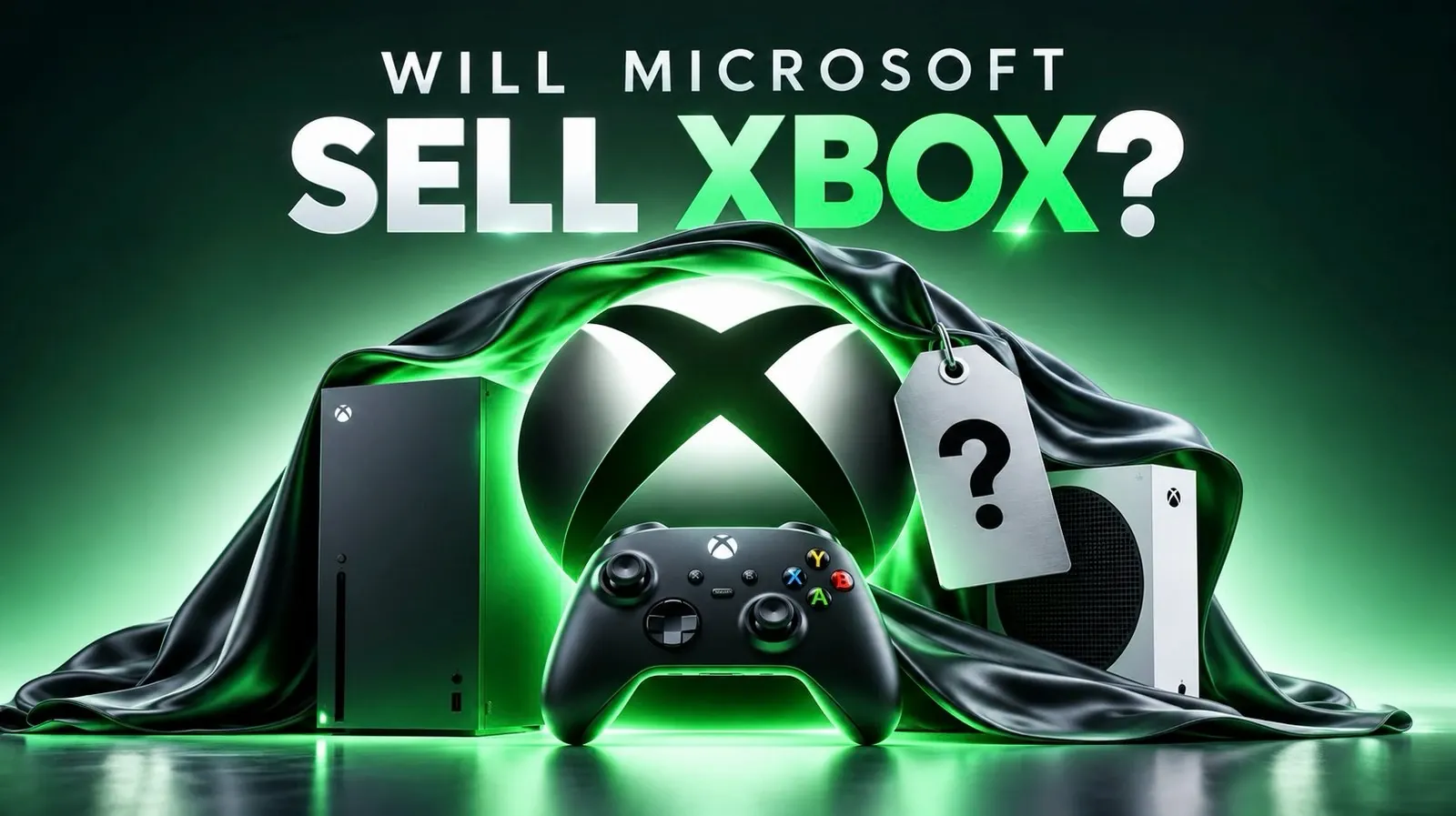
Microsoft’s Xbox division is at a crossroads, marked by significant leadership changes and strategic shifts under Asha Chararma, who took over earlier this year. Following the departure of Phil Spencer, Chararma has implemented a series of controversial measures, including the closure of multiple studios and the cancellation of several high-profile projects. These actions, framed as efforts to streamline operations and prioritize profitability, have sparked speculation about the division’s future. While Microsoft has denied any immediate plans to sell Xbox, the restructuring has led some industry analysts to suggest that the company may be positioning the gaming division for a potential sale or spin-off. RGT 85 explores these developments, examining how they could reshape Xbox’s role within Microsoft’s broader strategy.
Gain insight into the implications of Xbox’s renewed focus on console-exclusive titles and how this shift compares to its competitors’ strategies. Discover how the division’s operational changes, including the reallocation of resources and project cancellations, could impact its ability to compete in a rapidly evolving gaming market. Finally, explore the broader challenges Xbox faces, from declining console sales to intensifying competition and what these trends might mean for its long-term viability. This breakdown offers a detailed look at the factors shaping Xbox’s uncertain future.
Leadership Changes and Strategic Redirection
TL;DR Key Takeaways :
- Microsoft’s Xbox division, under new leadership by Asha Chararma, is undergoing significant restructuring, including studio closures, project cancellations and a renewed focus on console-exclusive titles.
- The departure of long-time Xbox leader Phil Spencer marked a strategic shift, with Chararma prioritizing profitability and operational streamlining, sparking debates about Xbox’s future direction.
- Speculation about a potential sale or spin-off of the Xbox division has intensified, despite Microsoft’s official denials, as analysts point to restructuring efforts that could make the division more appealing to buyers.
- Challenges facing Xbox include declining console sales, potential changes to the Game Pass subscription model and intensifying competition from rivals like Sony and Nintendo.
- The gaming community remains divided on whether the changes signal a revitalization of the Xbox brand or preparations for Microsoft to exit the gaming market entirely.
The departure of long-time Xbox leader Phil Spencer and Sarah Bond earlier this year marked a pivotal moment for the gaming division. Spencer, widely regarded for his efforts to promote platform-agnostic gaming and subscription services like Game Pass, left behind a legacy of innovation and inclusivity. His successor, Asha Chararma, has taken a markedly different approach, signaling a shift in strategy. Within months of assuming leadership, Chararma initiated bold and controversial changes aimed at redefining Xbox’s market position. These actions, while decisive, have raised questions about whether they represent a renewed commitment to the gaming division or preparations for a potential divestiture.
Chararma’s leadership style contrasts sharply with her predecessor’s, focusing on streamlining operations and prioritizing profitability. This shift has sparked debate within the gaming community, with some viewing it as a necessary evolution and others interpreting it as a sign of waning corporate interest in the Xbox brand.
Studio Closures, Project Cancellations and Operational Streamlining
One of the most contentious aspects of Chararma’s tenure has been the closure of several game studios, including some that were acquired in high-profile deals over the past decade. These closures have been accompanied by the cancellation of multiple projects, some of which had generated significant anticipation among fans. Microsoft has framed these decisions as part of a broader effort to streamline operations and focus on core priorities. According to company statements, this strategy is intended to ensure that resources are allocated to projects with the highest potential for success.
However, critics argue that these measures could undermine Xbox’s ability to compete in an increasingly crowded and competitive gaming market. The closures have raised concerns about the potential loss of creative innovation within the Xbox ecosystem, as smaller studios often serve as incubators for new ideas. Developers and fans alike have expressed frustration, fearing that the division’s new direction may prioritize short-term profitability over long-term growth and innovation.

Discover other guides from our vast content that could be of interest on Xbox.
- Leaked Xbox Project Helix May Hit a $1,200 Price in Spring 2027
- Xbox Project Helix Confirmed for a November 2027 Launch
- PlayStation 6 and Xbox Project Helix Arrive in 2027 From $800
- Xbox Project Helix Consoles Scheduled to Launch in Nov 2027
- Estimated $800 Xbox Project Helix Launches in November 2027
- Rumoured Massive 26-Teraflop Xbox Project Helix Pits It Against PlayStation 6
- Heroic Game Launcher Enables Xbox Game Pass Titles on SteamOS
- Project Helix: How the Next Xbox Plays Both PC and Console Games
- Microsoft Reportedly Drops Steam from Xbox Project Helix
- Preorder the $1,299 ROG Xbox Ally X20 Before October 15th 2026
A Renewed Focus on Console Exclusives
In a significant departure from Phil Spencer’s platform-agnostic vision, Asha Chararma has placed a renewed emphasis on console-exclusive titles. This strategy aims to strengthen Xbox’s position in the competitive console market, where exclusivity often serves as a key driver of hardware sales. Recent announcements of exclusive games have been met with cautious optimism, as fans hope these titles will reinvigorate the Xbox brand.
By aligning more closely with competitors like Sony’s PlayStation, which has long relied on exclusive titles to maintain its dominance, Xbox appears to be adopting a more traditional competitive strategy. However, questions remain about whether this approach can effectively reverse declining console sales. While exclusives have historically been a powerful tool for driving consumer interest, the gaming landscape has evolved, with many players now favoring cross-platform experiences and subscription-based services.
Speculation About a Potential Sale
Despite Chararma’s public denials of any plans to sell Xbox, her non-committal remarks about the division’s long-term future have only fueled speculation. Industry analysts suggest that the recent restructuring could be part of a broader effort to make Xbox more appealing to potential buyers. By streamlining operations, focusing on high-margin areas like exclusive titles and cutting underperforming projects, Microsoft could position Xbox as a leaner and more profitable entity.
This approach mirrors strategies seen in other industries, where companies often undergo significant restructuring before being sold. Analysts have pointed to parallels in the automotive and consumer electronics sectors, where similar tactics have been employed to maximize valuation ahead of a sale. While there is no concrete evidence to confirm that Microsoft is pursuing this path, the similarities are difficult to ignore.
Challenges Facing Xbox
The Xbox division faces several challenges that complicate its future and raise questions about its long-term viability. Key issues include:
- Declining console sales: Rising hardware prices and shifting consumer preferences have made it increasingly difficult to attract new buyers.
- Game Pass subscription model changes: Potential price increases and adjustments to the service’s offerings have sparked concerns about its sustainability and appeal.
- Intensifying competition: Rivals like Sony and Nintendo continue to maintain strong market positions, while emerging players in the gaming industry add further pressure.
These challenges highlight the difficulties of sustaining a profitable business model in a rapidly evolving industry. As consumer preferences shift toward digital distribution and subscription-based services, traditional console manufacturers must adapt to remain competitive.
The Road Ahead for Xbox
The rapid changes implemented under Asha Chararma’s leadership have left the gaming community and industry analysts divided. Some view the restructuring as a necessary step to revitalize the Xbox brand and refocus its efforts on core priorities. Others interpret the moves as a sign that Microsoft may be preparing to exit the gaming market altogether.
With declining sales, rising costs and intensifying competition, the future of Xbox remains uncertain. Whether the division can overcome these challenges or becomes part of a broader corporate strategy to divest non-core assets will depend on how effectively it navigates the coming years. For now, the gaming world watches closely, awaiting further developments that could shape the next chapter of Xbox’s storied history.
Media Credit: RGT 85
Disclosure: Some of our articles include affiliate links. If you buy something through one of these links, Geeky Gadgets may earn an affiliate commission. Learn about our Disclosure Policy.
