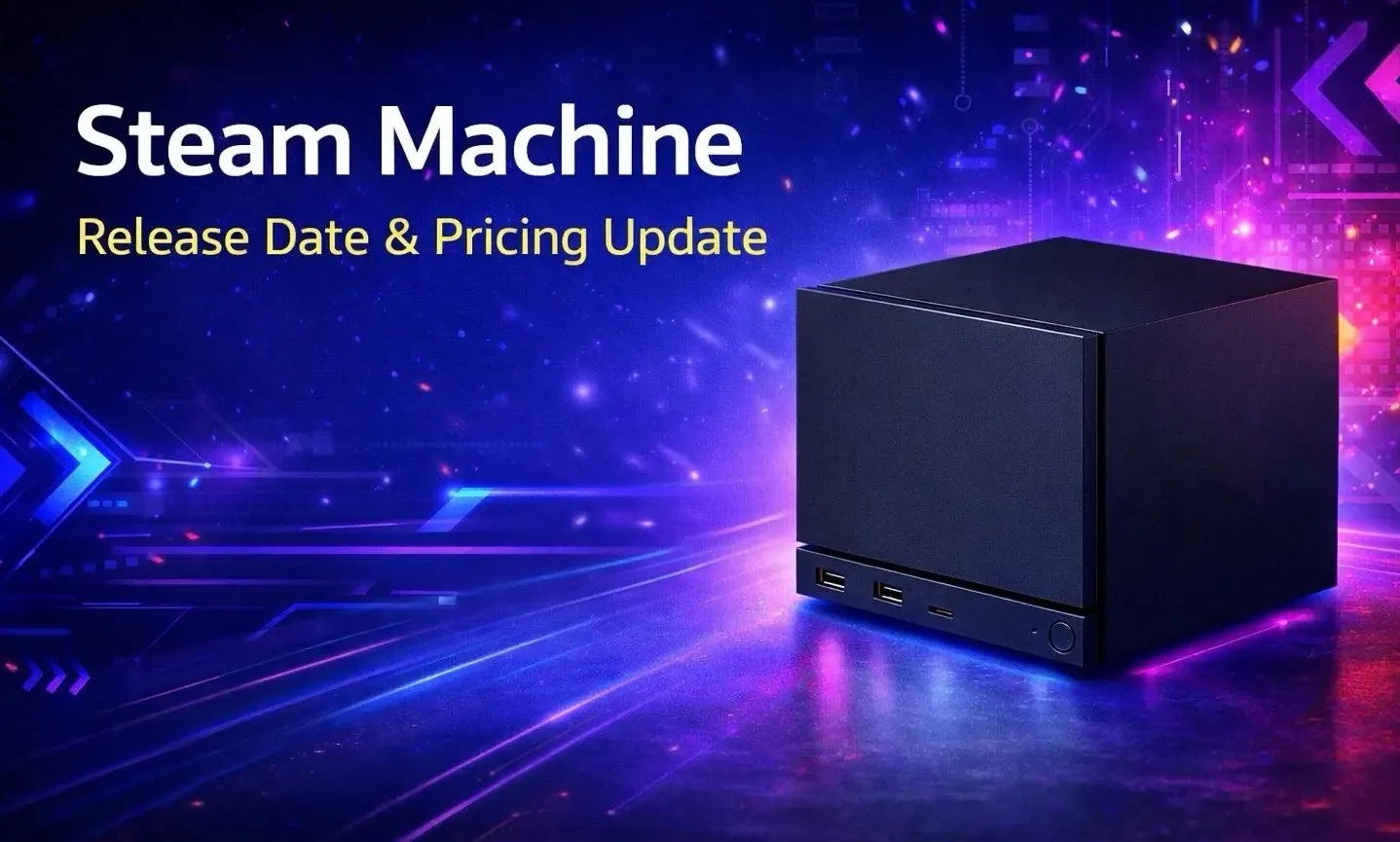
Valve’s recent update on the Steam Machine has raised concerns about the device’s future viability. Spawn Wave highlights how the delay from early to late 2026, driven by shortages of critical components like DRAM and SSDs, reflects broader supply chain struggles in the tech industry. This postponement not only risks eroding consumer interest but also gives competitors like Microsoft and Sony additional time to solidify their positions in the gaming hardware market. For a company operating on a smaller production scale, these challenges amplify the difficulty of maintaining relevance in a fast-evolving landscape.
In this analysis, we will discuss the implications of these delays on Valve’s market positioning, including the potential pricing hurdles tied to rising component costs. Additionally, the discussion will examine how customization and upgradeability, once a key selling point, could backfire if the associated costs alienate budget-conscious gamers. By the end, you’ll have a clearer understanding of the risks Valve faces and the critical steps it must take to ensure the Steam Machine’s success in an increasingly competitive industry.
Delayed Release Reflects Supply Chain Struggles
TL;DR Key Takeaways :
- The Steam Machine’s release has been delayed from early 2026 to late 2026 due to critical component shortages, particularly DRAM and SSDs, driven by high demand from AI data centers.
- Pricing challenges persist, with speculation suggesting a range of $500 to over $1,000, potentially making the device less competitive compared to custom PCs and next-gen consoles.
- Valve faces stiff competition from industry giants like Microsoft, Sony and Nintendo, whose larger production scales and established ecosystems give them a significant market advantage.
- The Steam Machine’s promise of PC-like customization and upgradeability is appealing but may be undermined by rising component costs and the complexity of upgrades for casual gamers.
- Uncertainty around features, pricing and delays has led to growing consumer skepticism, highlighting the need for Valve to address these concerns to regain trust and remain competitive in the market.
The delay in the Steam Machine’s launch highlights ongoing supply chain disruptions that have affected the tech industry at large. Valve has specifically pointed to shortages of essential components such as DRAM and SSDs as the primary reasons for the postponement. These shortages are largely driven by surging demand from AI data centers, which have prioritized high-performance hardware for their operations. For Valve, which operates on a smaller production scale compared to industry giants like Microsoft and Sony, these challenges are particularly pronounced.
The delay poses significant risks for Valve. Beyond the potential loss of consumer interest, it provides competitors with additional time to strengthen their foothold in the market. As the gaming hardware landscape evolves rapidly, even a few months of delay can shift consumer preferences toward more readily available alternatives. Valve’s ability to navigate these supply chain issues will be critical in determining whether the Steam Machine can meet its revised timeline and maintain relevance.
Pricing Challenges and Market Positioning
Pricing remains one of the most contentious aspects of the Steam Machine’s development. Industry speculation suggests that the device’s price could range from $500 to over $1,000, depending on its final specifications. However, rising costs for components like DRAM and SSDs complicate Valve’s ability to offer a competitively priced product. Unlike larger companies with extensive supply chain use, Valve’s smaller scale limits its ability to negotiate favorable pricing for these components. This places the Steam Machine at a potential disadvantage, particularly when compared to custom-built PCs or next-generation gaming consoles that may offer better value for money.
The high price point could deter budget-conscious gamers, especially if the Steam Machine fails to deliver a clear advantage over existing platforms. Additionally, Valve has yet to confirm whether the device will include bundled features such as controllers or pre-installed games, leaving its overall value proposition uncertain. Without a compelling reason to choose the Steam Machine over more established alternatives, it risks being overshadowed in a highly competitive market.

Become an expert in Steam Machine with the help of our in-depth articles and helpful guides.
- Steam Machine : Early 2026 Release Date, Prices, Specs & OS Features
- Steam Machine Pricing Tipped at $600 to $650 with Supply Tight
- Steam Machine Pricing Outlook, Early 2026 Release Window
- Worlds Smallest DIY Steam Machine : Ryzen 7840U for Steady 1080p Play
- Steam Machine Update : Pricing Delays & What Valve Can Do Next
- Steam Machine HDMI 2.1 Limits, Valve and AMD Fixes Explained
- Steam Machine 2026 Launch Plan Amid Component Shortages
- New Steam Machine Accessories : Plus GeForce Now App for Linux
- Steam Machine Price : Why Valve Set the Tag at $1,000 in 2026
- Steam Machine Price Forecast Rises to $750–$800 Range
Competition from Industry Giants
Valve’s challenges are further compounded by the looming presence of competitors like Microsoft, Sony and Nintendo. Microsoft’s next-generation Xbox, rumored for a 2027 release, is expected to feature innovative hardware, including 40GB of RAM, at a competitive price point. Microsoft’s ability to use economies of scale and its established market presence makes it a formidable rival. Additionally, the potential integration of Steam’s library on Xbox could significantly diminish the Steam Machine’s unique appeal. Gamers may prefer accessing Steam’s extensive catalog on a more powerful and affordable console, further eroding Valve’s market share.
Sony and Nintendo also continue to dominate the gaming hardware market with their established ecosystems and loyal fan bases. Both companies benefit from larger production scales, allowing them to offer competitive pricing and consistent supply. In this context, Valve faces an uphill battle to differentiate the Steam Machine and convince consumers of its value.
Customization and Upgradeability: A Mixed Blessing
One of the Steam Machine’s most touted features is its promise of PC-like customization and upgradeability, which appeals to gamers seeking flexibility and long-term performance. However, the rising cost of components could undermine this advantage. High-capacity DRAM and SSDs, in particular, have experienced significant price surges due to increased demand from AI-driven industries. For consumers, the prospect of expensive upgrades may diminish the appeal of a system designed to be modular and future-proof.
Moreover, the complexity of upgrading hardware may deter casual gamers who prioritize convenience over technical customization. While enthusiasts may appreciate the ability to fine-tune their systems, the broader gaming audience may find the process intimidating or cost-prohibitive. Valve must strike a delicate balance between offering customization options and making sure that the Steam Machine remains accessible and affordable for a wide range of users.
Consumer Confidence and Industry Trends
The combination of delays, unclear pricing and vague feature announcements has led to growing skepticism among consumers. Many potential buyers are hesitant to commit to a product with so many unanswered questions. This uncertainty could impact pre-orders and initial sales, making it even more challenging for Valve to establish the Steam Machine as a viable alternative to traditional gaming systems.
The challenges faced by the Steam Machine also reflect broader trends in the gaming hardware industry. Rising component costs, driven by demand from AI data centers, have strained supply chains and increased production expenses. Meanwhile, competitors like Sony and Nintendo continue to benefit from economies of scale, allowing them to maintain competitive pricing. These dynamics place additional pressure on Valve to deliver a product that justifies its price and stands out in a crowded market.
The Road Ahead for Valve
Valve’s ability to address these challenges will be critical to the Steam Machine’s success. To regain consumer trust, the company must finalize pricing, clarify features and ensure a timely release. Transparency about the device’s capabilities and value proposition will be essential in building confidence among potential buyers. Additionally, Valve may need to explore partnerships or alternative strategies to mitigate supply chain disruptions and reduce production costs.
As competition intensifies with the impending release of next-generation consoles, Valve faces a pivotal moment in its journey. The coming months will determine whether the Steam Machine can carve out a niche in the gaming hardware market or become a cautionary tale of unmet expectations. For now, the gaming community watches closely, eager to see how Valve navigates these challenges and whether the Steam Machine can deliver on its promise.
Media Credit: Spawn Wave
Disclosure: Some of our articles include affiliate links. If you buy something through one of these links, Geeky Gadgets may earn an affiliate commission. Learn about our Disclosure Policy.
