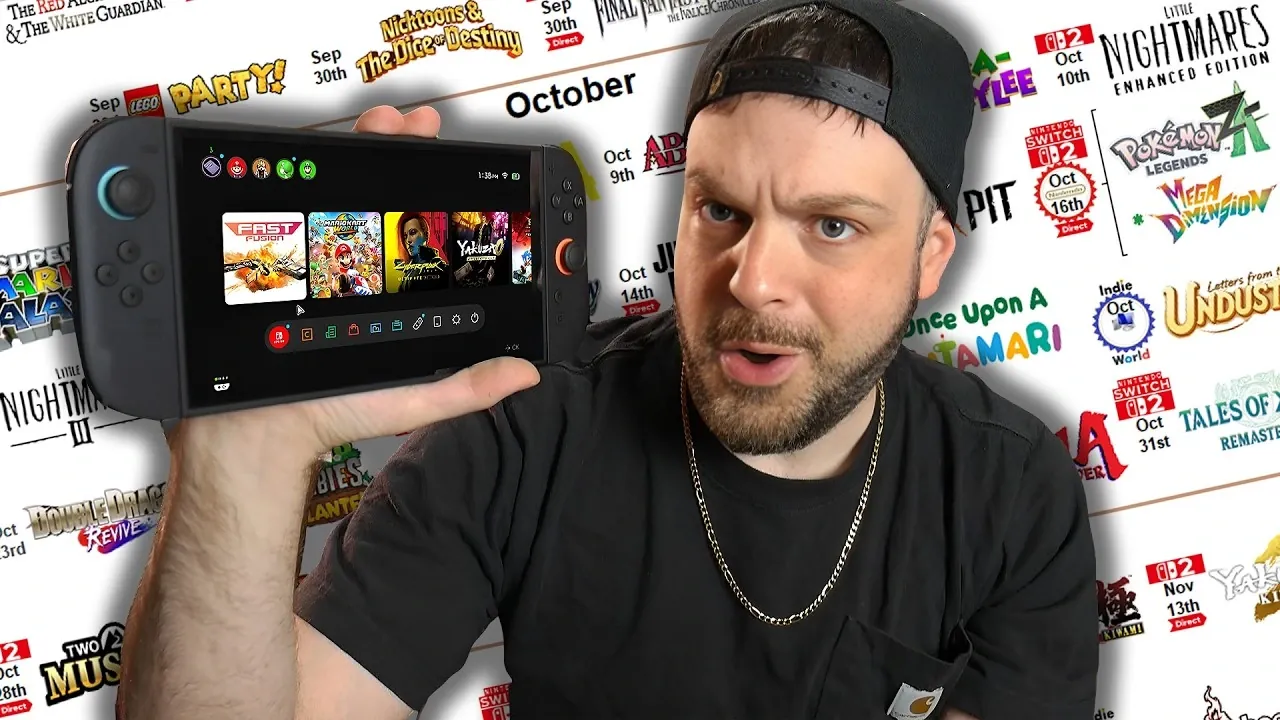
The Nintendo Switch 2’s first year has been a period of both progress and challenges, as highlighted by RGT 85. Notable advancements include the console’s improved technical capabilities, which have attracted high-profile third-party titles like Resident Evil Requiem and WWE 2K26. These games showcase smoother gameplay and enhanced graphics, signaling Nintendo’s efforts to compete with other platforms. However, the year hasn’t been without setbacks. Issues such as inconsistent third-party support and a lack of first-party titles that fully use the upgraded hardware have raised questions about the console’s long-term trajectory.
Explore how Nintendo’s approach to retro game compatibility, hardware improvements and pricing strategies has shaped the Switch 2’s reception. You’ll also gain insight into the challenges of transitioning from the original Switch, as well as the importance of exclusive, hardware-intensive games in driving adoption. By examining these key areas, this breakdown offers a comprehensive look at the successes and shortcomings of the Switch 2’s debut year.
A Promising Start with Room to Grow
TL;DR Key Takeaways :
- The Nintendo Switch 2 has made significant strides in attracting third-party developers, with high-profile games like Resident Evil Requiem showcasing its improved technical capabilities, though third-party support remains inconsistent.
- First-party titles such as Donkey Kong Bonanza and Mario Kart World have been praised, but the lack of new, hardware-intensive exclusives has raised concerns about innovation.
- Hardware upgrades, including a redesigned eShop and improved processing power, have been well-received, but issues like limited battery life and inconsistent game pricing remain areas for improvement.
- Retro game support has been underwhelming, with limited additions to the Switch Online library, missing an opportunity to use Nintendo’s rich gaming history.
- The transition from the original Switch to the Switch 2 has been cautious, with dual-platform support slowing adoption; exclusive titles and trade-in incentives could help accelerate migration.
Third-Party Game Support
One of the most significant achievements of the Switch 2 has been its ability to attract third-party developers, a historical challenge for Nintendo consoles. High-profile releases such as Resident Evil Requiem and WWE 2K26 have demonstrated the console’s enhanced technical capabilities. These titles showcase improved graphics, smoother gameplay and even support for 60 FPS modes, features that fans have long desired. These advancements highlight Nintendo’s efforts to close the performance gap with competing platforms.
Despite these successes, the third-party ecosystem remains inconsistent. While some developers have embraced the Switch 2’s potential, others have delivered subpar ports or opted to bypass the platform entirely. This disparity raises concerns about Nintendo’s ability to sustain long-term third-party interest. To maintain momentum, Nintendo must ensure that its hardware, development tools and publishing processes remain accessible and appealing to developers of all sizes. Strengthening relationships with third-party studios could be key to expanding the console’s library and broadening its appeal.
First-Party Games: Balancing Creativity and Innovation
Nintendo’s first-party titles have always been a cornerstone of its success and the Switch 2’s lineup has delivered a mix of hits and misses. Games like Donkey Kong Bonanza and Mario Kart World have been widely praised for their creativity, polish and ability to meet fan expectations. These titles have reinforced Nintendo’s reputation for delivering high-quality gaming experiences.
However, the absence of a truly new title that fully utilizes the Switch 2’s upgraded hardware has been a notable shortcoming. Several first-party releases, such as Pikmin Odyssey and Splatoon 4, were originally developed for the original Switch, leading to concerns about a lack of innovation. Fans are eager for Nintendo to push the boundaries of what the new console can achieve, delivering ambitious projects that redefine the gaming experience. The introduction of exclusive, hardware-intensive titles could be instrumental in showcasing the Switch 2’s full potential.

Here are additional guides from our expansive article library that you may find useful on Nintendo Switch 2.
- New Switch 2 Firmware Adds Handheld Mode Boost & Improves Invites, Screen-Share & More
- Switch 2 Hardware Sales Jump as Pokémon Pokopia Becomes a Breakout Hit
- Why Nintendo is Releasing Fewer Switch 2 Games In 2026
- Steam Deck OLED vs Switch 2: the Ultimate Travel Test
- Why Your Next Gaming Console Will Cost More Than Ever Before
- Nintendo Switch 2: 5 Upgrades That CHANGE EVERYTHING
- Nintendo Switch 2 Durability: Will Your New Console Last?
- Nintendo Switch 2 Games Console Hacked
- Decoding the Nintendo Switch 2: Analyzing the Latest Leaks and Whispers
- Nintendo Switch 2 Review vs OLED One Month Later…
Hardware and Features: Progress with Persistent Gaps
The Switch 2 introduced several hardware and feature upgrades aimed at enhancing the user experience. The redesigned eShop, for instance, has been well-received for its smoother navigation and more intuitive interface, addressing long-standing complaints from players. Additionally, the console’s improved processing power has enabled more demanding games to run seamlessly, bringing it closer to the performance standards of its competitors.
However, certain aspects of the hardware have fallen short of expectations. Battery life, a critical factor for a hybrid console, remains a point of frustration for many users. Despite minor improvements, the Switch 2’s battery performance has not seen the significant leap that players had hoped for. Game pricing has also sparked debate, with some titles perceived as overpriced relative to their content and quality. This inconsistency in pricing strategy has led to calls for greater transparency and value alignment.
To address these issues, Nintendo could focus on optimizing battery efficiency and reevaluating its pricing model. Offering more competitive pricing or bundling games with additional content could enhance the console’s appeal and strengthen its position in the market.
Retro Game Compatibility: A Missed Opportunity
Retro game support has long been a defining feature of Nintendo’s platforms, but the Switch 2’s offerings in this area have been underwhelming. The Switch Online service has seen only modest expansions to its retro game library, with few new systems or titles added during the first year. Fans who expected a broader and more diverse selection of classic games have expressed disappointment, particularly given the rich history of Nintendo’s past consoles.
Expanding the retro game catalog could be a significant opportunity for Nintendo to reinvigorate interest in the Switch Online service. Adding beloved titles from platforms like the GameCube or enhancing support for existing systems could attract new subscribers and satisfy long-time fans. By prioritizing retro game compatibility, Nintendo could tap into nostalgia while providing value to its current audience.
Transitioning from the Original Switch: Striking the Right Balance
Nintendo’s cautious approach to transitioning from the original Switch to the Switch 2 has been met with mixed reactions. On one hand, continued support for the original console has been commendable, making sure that existing players are not left behind. On the other hand, this dual-platform strategy may be slowing adoption of the new system, creating challenges for developers and fragmenting the player base.
To encourage migration to the Switch 2, Nintendo must strike a delicate balance between supporting its existing audience and promoting the new platform. Exclusive, high-quality first-party games that fully use the Switch 2’s capabilities could play a pivotal role in driving this transition. Additionally, offering trade-in programs or discounts for original Switch owners could incentivize upgrades and accelerate the adoption process.
The Path Forward: Building on the Foundation
As the Nintendo Switch 2 enters its second year, the focus shifts to addressing the challenges and capitalizing on the opportunities identified during its debut. Fans are eagerly anticipating announcements of exclusive titles that push the boundaries of the console’s hardware. Improvements in areas such as retro game support, battery life and third-party partnerships could significantly enhance the overall user experience.
The first year of the Switch 2 has been a mix of achievements and missed opportunities. While the console has demonstrated its potential, there is clear room for growth in key areas. By listening to player feedback and adopting a more innovative approach, Nintendo has the opportunity to solidify the Switch 2 as a standout console in the years to come.
Media Credit: RGT 85
Disclosure: Some of our articles include affiliate links. If you buy something through one of these links, Geeky Gadgets may earn an affiliate commission. Learn about our Disclosure Policy.
