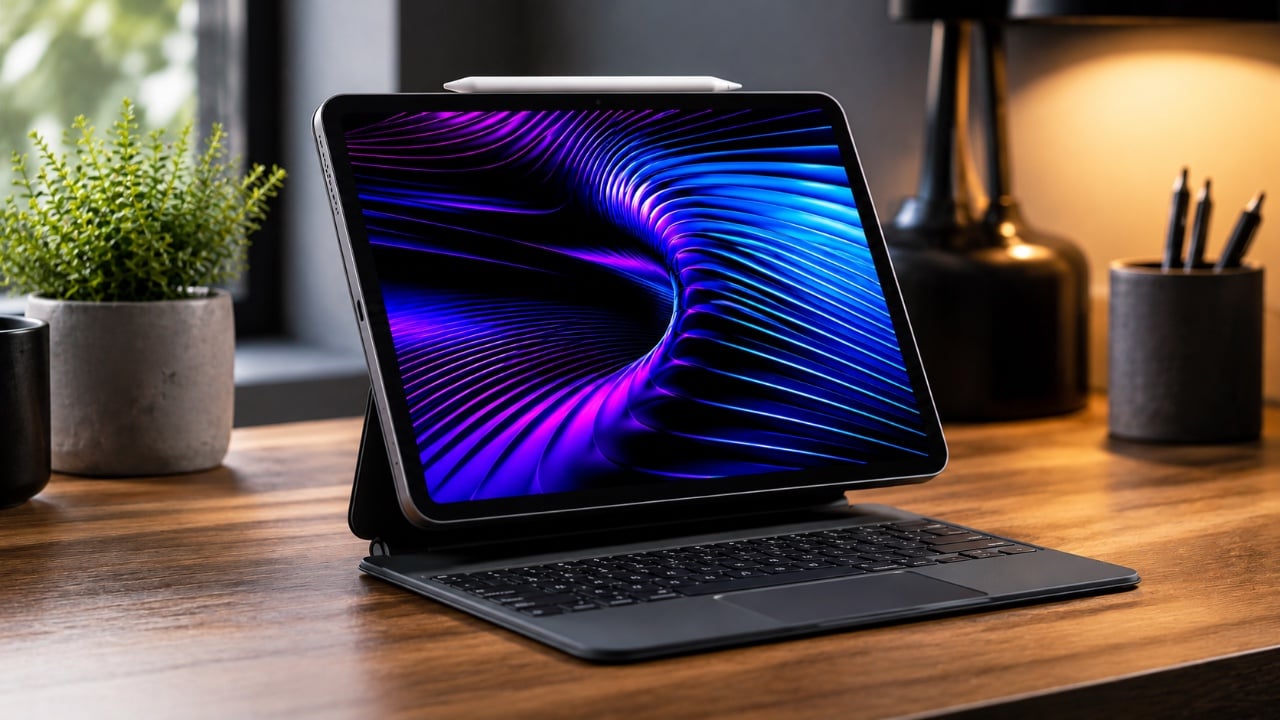
Apple’s highly anticipated iPad Pro, set for release in spring 2027, is poised to deliver substantial advancements in hardware and performance. With features such as innovative chipsets, AI-driven functionalities, and enhanced cooling systems, the device aims to redefine the tablet experience. However, persistent concerns about the limitations of iPadOS and the device’s premium pricing may temper its appeal for a broader audience.

Key Features and Specifications
The 2027 iPad Pro lineup is expected to include two sizes: an 11-inch model and a larger 13-inch variant. At its core, the device is rumored to feature either the M6 or M7 chip, depending on Apple’s development timeline. These chips, reportedly built on TSMC’s advanced 2-nanometer process, promise significant improvements in both performance and efficiency.
Key benefits of the new architecture include:
- Faster multitasking and seamless app performance, even under heavy workloads.
- Enhanced energy efficiency, leading to longer battery life for extended use.
- Improved capabilities for demanding tasks such as 3D modeling, video editing, and augmented reality applications.
While these upgrades are particularly appealing to professionals in creative industries, the performance gains may feel incremental for casual users, especially those upgrading from devices powered by the M4 or M5 chips. This raises questions about whether the new hardware justifies the premium price for non-professional users.
AI Integration and Hardware Innovations
The rumored M7 chip is expected to introduce advanced AI-driven features, further enhancing the iPad Pro’s capabilities. These features are designed to improve both productivity and user experience, with potential applications such as:
- Real-time language translation, allowing seamless communication across different languages.
- AI-powered photo and video editing tools, offering greater precision and automation for creative tasks.
In addition to AI enhancements, Apple is likely to incorporate a vapor chamber cooling system to address heat management during resource-intensive activities. This innovation is particularly beneficial for professionals working on high-resolution video rendering or complex simulations. However, for casual users, such advanced hardware may remain underutilized, especially given the limitations imposed by iPadOS.
These hardware upgrades position the iPad Pro as a powerful tool for professionals, but they also highlight the ongoing challenge of aligning innovative hardware with software that fully uses its potential.
The Persistent iPadOS Bottleneck
Despite the impressive hardware advancements, iPadOS continues to be a limiting factor for the iPad Pro’s potential as a true laptop replacement. While Apple has made incremental improvements to the operating system, several key challenges remain:
- Multitasking capabilities are still restricted, making it difficult to achieve the same level of productivity as on macOS or Windows devices.
- File management options remain limited, hindering workflows that require robust organizational tools.
This disconnect between hardware and software creates a significant barrier for power users who rely on advanced software tools for their work. Until iPadOS evolves to better support professional workflows, the iPad Pro’s hardware capabilities may remain underutilized, diminishing its value proposition for many users.
Pricing: A Barrier for Many
The 2027 iPad Pro is expected to start at approximately $1,200, with higher-end configurations potentially exceeding $2,000. Several factors contribute to this premium pricing, including:
- The use of advanced manufacturing processes, such as the 2-nanometer chip technology.
- Ongoing supply chain challenges that continue to drive up production costs.
For many consumers, the high price point may be a deterrent, especially when refurbished models featuring M4 or M5 chips offer comparable performance for everyday tasks at a fraction of the cost. This growing price disparity highlights a shift in the iPad Pro’s target audience, with the device increasingly catering to professionals and enthusiasts rather than casual users.
Apple Pencil Updates: A Step Toward Sustainability
Alongside the 2027 iPad Pro, Apple is expected to introduce two new Apple Pencil models. These updates are likely to include:
- Type-C connectivity, aligning with the broader industry shift toward universal charging standards.
- A “Pro” model designed specifically for creative professionals, featuring advanced capabilities for precision and control.
Additionally, new EU regulations requiring replaceable batteries could lead to a significant redesign of the Apple Pencil. This change would address long-standing concerns about battery longevity, making the accessory more sustainable and easier to maintain. Such updates reflect Apple’s broader commitment to sustainability, while also enhancing the functionality and appeal of the Apple Pencil for professional users.
Who is the iPad Pro For?
The 2027 iPad Pro’s focus on AI-driven features and hardware advancements makes it an ideal choice for niche professional users, including:
- Graphic designers and digital artists who require precise tools for their creative work.
- Architects and engineers working with complex 3D models and simulations.
- Video editors handling high-resolution content and demanding post-production tasks.
However, for the average consumer, the incremental updates may not justify the premium price. Refurbished models with slightly older chipsets often provide sufficient performance for everyday tasks, making them a more practical and cost-effective option for non-professional users.
Launch Timing and Market Impact
Apple is expected to unveil the 2027 iPad Pro during its spring event, alongside other highly anticipated products such as the iPhone 18 series. This strategic timing ensures maximum visibility and media coverage, positioning the iPad Pro as a centerpiece of Apple’s product lineup for the year.
The device’s success will ultimately depend on how well Apple addresses key challenges, including the balance between hardware advancements, software capabilities and pricing. While the iPad Pro is likely to attract professionals seeking innovative performance, its appeal to the broader market may be limited by its high cost and the persistent constraints of iPadOS.
Enhance your knowledge on iPad Pro 2027 by exploring a selection of articles and guides on the subject.
- The M6 iPad Pro Specs are Leaking: A Professional Powerhouse in the Making
- Apple’s Fall iPad Lineup Leaked and Budget Buyers Are Winning Big
Source & Image Credit: SaranByte
Disclosure: Some of our articles include affiliate links. If you buy something through one of these links, Geeky Gadgets may earn an affiliate commission. Learn about our Disclosure Policy.
