
Is the gaming world ready for a device that could blur the lines between consoles and PCs? In a recent video, tech enthusiast and gaming analyst Alex from TechScope breaks down Valve’s ambitious new entry into the gaming hardware market: the Steam Machine. With its sleek, compact design and a price point intended to undercut high-end gaming PCs, this next-gen console PC hybrid is poised to shake up the industry. But what really sets the Steam Machine apart is its goal of 4K output and 60 FPS targets using upscaling and seamless integration into Valve’s gaming ecosystem, all while maintaining a form factor small enough to fit into any living room setup. Could this be the perfect middle ground for gamers who want the power of a PC without the complexity?
Table of Contents :
- Steam Machine Overview
- Steam Machine Release Date
- Steam Machine Pricing
- Steam Machine Specifications
- Software and Operating System
- Performance Capabilities
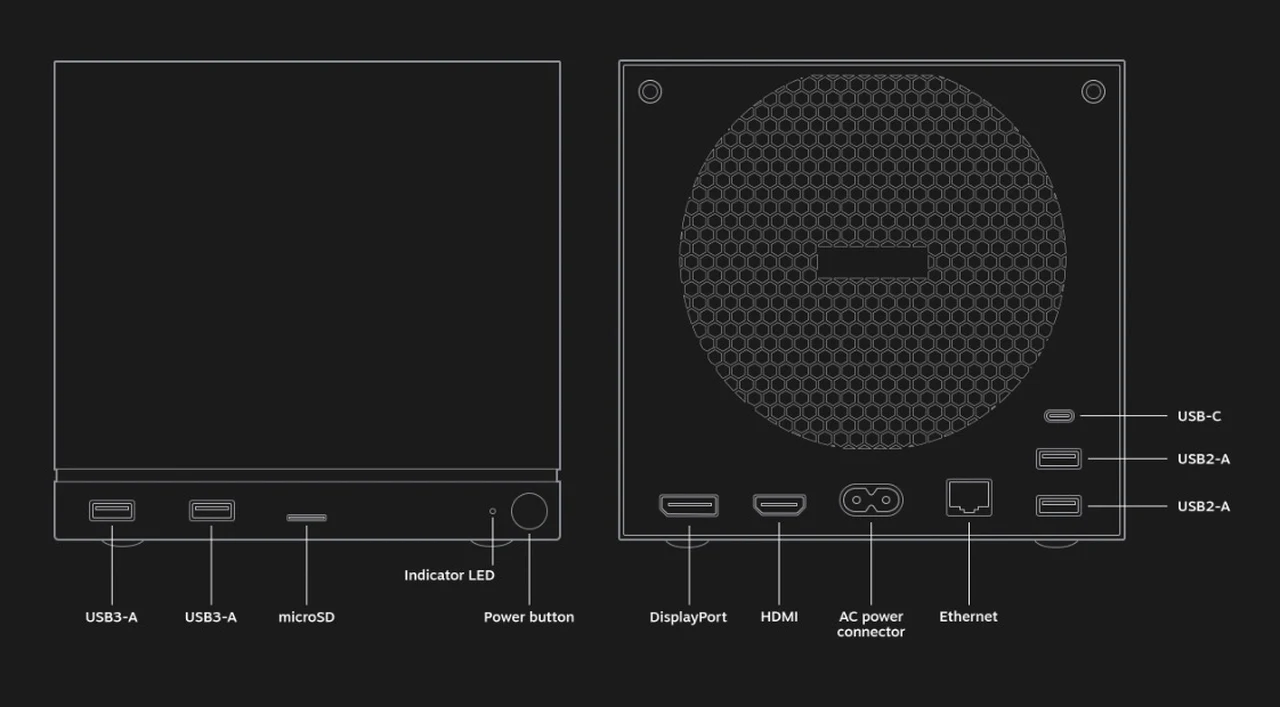
- Steam Machine Connectivity
- Redesigned Steam Controller
- Additional Features
- Potential Drawbacks
- Market Position
- Full Specs
In this overview, we’ll explore everything you need to know about the Steam Machine, from its innovative hardware to its unique software capabilities. You’ll discover how Valve plans to position this device against heavyweights like the PlayStation 5 and Xbox Series X, and why its compact design and projected pricing could make it a fantastic option for both PC enthusiasts and console loyalists. Whether you’re curious about its AMD-powered specs, its redesigned Steam Controller, or its potential drawbacks, there’s plenty to unpack. As the first quarter of 2026 approaches, the Steam Machine raises an exciting question: is this the future of gaming, or just another experiment in the ever-evolving hardware wars?
Steam Machine Overview
TL;DR Key Takeaways :
- The Steam Machine, a compact gaming PC by Valve, is scheduled for release in 2026, alongside the redesigned Steam Controller and Steam Frame VR headset, creating a unified gaming ecosystem.
- Pricing has not been officially confirmed, but estimates and expectations vary widely as Valve finalizes its positioning between consoles and high-end gaming PCs.
- Equipped with advanced hardware, including a semi-custom AMD Zen 4 6-core / 12-thread CPU, RDNA 3 GPU, 16GB DDR5 RAM, and up to 2TB SSD storage, the device targets 4K output and 60 FPS performance using upscaling in a compact small-form-factor design.
- Running on SteamOS 3, a Linux-based operating system, the Steam Machine offers features like fast suspend/resume, cloud saves, and compatibility with other storefronts, making sure a versatile and secure gaming experience.
- While the device features impressive specs, limitations such as 8GB GPU VRAM and reliance on upscaling may impact its long-term appeal for the most graphically demanding games, and Valve has not yet confirmed support details for future upscaling or frame generation features.
Valve is preparing to launch its highly anticipated Steam Machine, a compact gaming PC designed to compete with both traditional gaming consoles and high-performance PCs. Building on the success of the Steam Deck, the Steam Machine promises to deliver a more powerful and versatile gaming experience. Set to debut in the first quarter of 2026, this device aims to redefine gaming in living rooms and desktops alike with its competitive positioning, innovative hardware, and seamless integration into Valve’s gaming ecosystem.

Steam Machine Release Timeline
Valve has officially announced that the Steam Machine is targeting a release window in early 2026, barring any unforeseen delays. This launch is expected to coincide with the debut of the redesigned Steam Controller and the Steam Frame VR headset, creating a comprehensive and interconnected gaming ecosystem. While the exact release date has not yet been disclosed, the first quarter of 2026 remains the target window for this eagerly awaited rollout. The simultaneous launch of these devices underscores Valve’s commitment to delivering a unified and immersive gaming experience.
Steam Machine Pricing Strategy
The Steam Machine’s pricing has not been officially confirmed. Current expectations and estimates place it somewhere between premium gaming consoles like the PlayStation 5 and Xbox Series X and higher-end gaming PCs, depending on configuration and regional pricing. This pricing strategy reflects Valve’s intent to attract a diverse audience, including PC enthusiasts and console gamers, while keeping the device accessible enough to grow SteamOS adoption. By offering high-performance gaming at a price point that encourages future third-party SteamOS machines, Valve could set a standard for manufacturers to follow.
The Steam Machine seeks to bridge the gap between gaming PCs and consoles, making advanced gaming technology more widely available. This approach could also appeal to gamers looking for a compact and powerful device without the high cost typically associated with custom-built PCs. Learn more about Valve’s Steam Machine pricing strategy in our previous article.
Steam Machine Specifications
Highlights
The Steam Machine is equipped with advanced hardware designed to deliver exceptional gaming performance while maintaining a compact and portable design. Key specifications include:
- Processor: AMD Zen 4 6-core / 12-thread CPU with a 4.8GHz boost clock for smooth multitasking and gaming performance.
- Graphics: AMD RDNA 3 GPU featuring 28 compute units and 8GB GDDR6 memory, making sure high-quality visuals and reliable frame rates.
- Memory: 16GB DDR5 RAM (upgradeability has not been confirmed).
- Storage: Options include 512GB and 2TB SSDs, with expandable storage via microSD for additional capacity.
- Connectivity: Wi-Fi 6E, Bluetooth 5.3, and Gigabit Ethernet for fast and reliable network connections.
- Ports: DisplayPort 1.4, HDMI 2.0, USB-C, and multiple USB-A ports for versatile connectivity options.
- Power Supply: Integrated design for convenience and portability.
- Form Factor: Compact small-form-factor design, weighing 2.6kg, making it easy to integrate into any gaming setup.
This robust hardware configuration ensures the Steam Machine can handle modern games at high settings, delivering a premium gaming experience in a compact form factor.
Full Specs
| General | |
|---|---|
| CPU | Semi-custom AMD Zen 4 6C / 12T Up to 4.8 GHz, 30W TDP |
| GPU | Semi-custom AMD RDNA3 28 CUs 2.45 GHz max sustained clock, 110W TDP |
| RAM | 16GB DDR5 + 8GB GDDR6 VRAM |
| Power | Internal power supply, AC 110–240V |
| Storage | 512GB NVMe SSD or 2TB NVMe SSD High-speed microSD card slot (both models) |
| Connectivity | |
| Wi-Fi | 2×2 Wi-Fi 6E |
| Bluetooth | Bluetooth 5.3 (dedicated antenna) |
| Steam Controller | Integrated 2.4 GHz wireless adapter |
| I/O | |
| DisplayPort | DisplayPort 1.4 Up to 4K @ 240Hz or 8K @ 60Hz HDR, FreeSync, daisy-chaining |
| HDMI | HDMI 2.0 Up to 4K @ 120Hz HDR, FreeSync, CEC |
| USB | 2× USB-A 3.2 Gen 1 (front) 2× USB-A 2.0 (rear) 1× USB-C 3.2 Gen 2 (rear) |
| Networking | Gigabit Ethernet |
| LED Strip | 17 individually addressable RGB LEDs |
| Size and Weight | |
| Dimensions | 152 mm tall (148 mm without feet) × 162.4 mm deep × 156 mm wide |
| Weight | 2.6 kg |
| Software | |
| Operating System | SteamOS 3 (Arch-based) |
| Desktop | KDE Plasma |
Software and Operating System
The Steam Machine runs on SteamOS 3, a Linux-based operating system specifically optimized for gaming. SteamOS 3 offers several features designed to enhance usability and performance, including fast suspend/resume functionality, seamless cloud saves, and compatibility with other storefronts and applications. This flexibility allows you to access a wide range of games and software, making the Steam Machine a versatile addition to your gaming setup. Additionally, the Linux-based architecture ensures a secure and stable environment for gaming and multitasking.
Performance Capabilities
Valve has positioned the Steam Machine to target smooth performance at 4K output and 60 FPS using AMD’s FSR 3 upscaling technology to enhance visual quality and frame rates in supported titles. While the GPU’s 8GB VRAM may present limitations in some graphically demanding games, the device is expected to compete strongly in the console-style PC space, with real-world results varying depending on game settings, rendering technique, and whether upscaling is used. This balance of performance and affordability makes the Steam Machine an attractive option for gamers seeking high-quality visuals without exceeding their budget. The inclusion of advanced cooling systems should help maintain quiet operation, even during intensive gaming sessions.
Steam Machine Connectivity
Redesigned Steam Controller
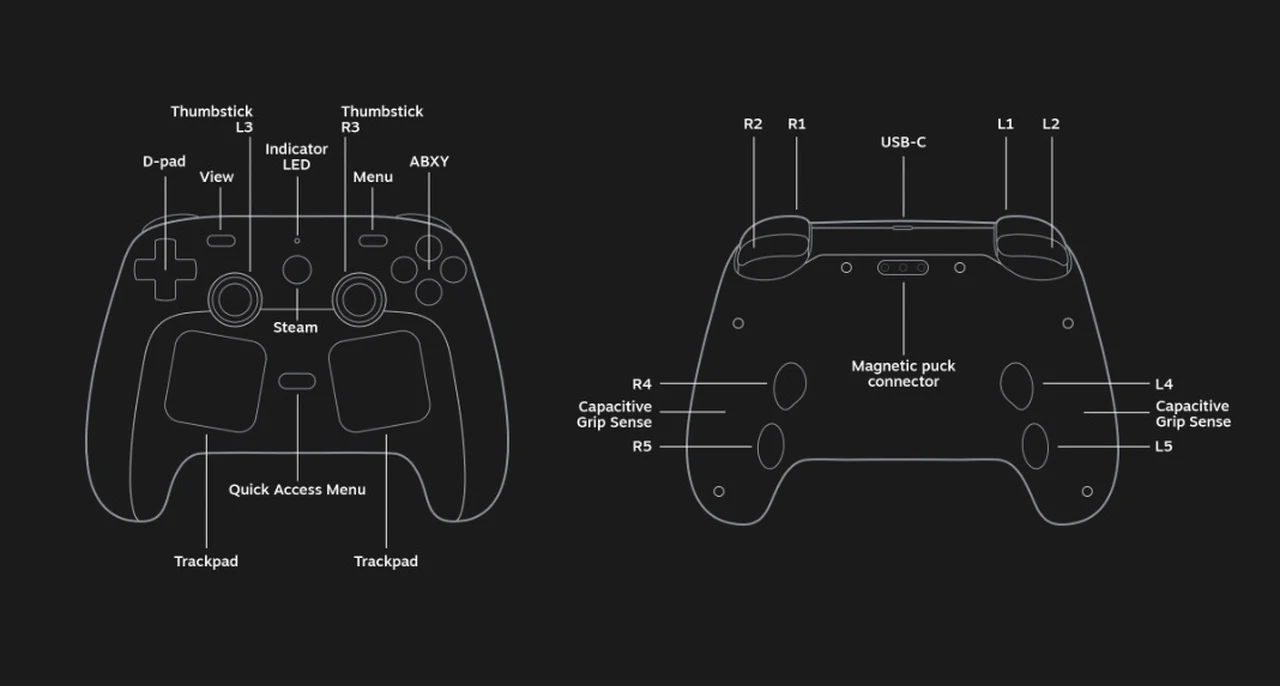
Launching alongside the Steam Machine is the revamped Steam Controller, which introduces several enhancements aimed at improving gameplay and user comfort. Key features include:
- Symmetrical thumbsticks for improved ergonomics and precision.
- Haptic touchpads for more accurate and responsive input.
- Motion controls and gyro aiming for enhanced accuracy in compatible games.
- Programmable grip buttons for customizable gameplay options.
- A proprietary wireless puck for seamless pairing and efficient charging.
The redesigned controller is compatible with other devices via Bluetooth or USB-C, offering flexibility for gamers who use multiple platforms. These improvements make the Steam Controller a valuable addition to Valve’s gaming ecosystem, enhancing the overall experience for users.
Additional Features
The Valve Steam Machine includes several features designed to enhance its versatility and user experience:
- Integrated wireless adapter for effortless Steam Controller pairing.
- Efficient cooling system for quiet and reliable operation.
- Game streaming compatibility with devices such as the Steam Deck and Steam Link, allowing seamless gameplay across multiple platforms.
These features make the Steam Machine a user-friendly and adaptable device, suitable for a variety of gaming scenarios, whether at home or on the go.
Potential Drawbacks
Despite its impressive specifications, the Steam Machine does have some limitations. The GPU’s 8GB VRAM may restrict performance in graphically demanding games, particularly at higher resolutions. Additionally, Valve has not yet confirmed detailed support plans for future upscaling or frame generation technologies beyond what is currently expected, which could influence how well the system keeps pace with future advancements in game rendering. These factors may influence its appeal to gamers seeking innovative performance in the long term.
Market Position
Valve’s Steam Machine is designed to bridge the gap between gaming PCs and consoles, offering a balance of performance, affordability, and upgradability. Its compact form factor and robust feature set make it an appealing choice for gamers seeking a versatile gaming solution. By targeting a price range accessible to a broad audience, Valve aims to attract both PC gamers and console enthusiasts. This strategic positioning could help the Steam Machine carve out a unique niche in the competitive gaming hardware market.
Disclosure: Some of our articles include affiliate links. If you buy something through one of these links, Geeky Gadgets may earn an affiliate commission. Learn about our Disclosure Policy.
